
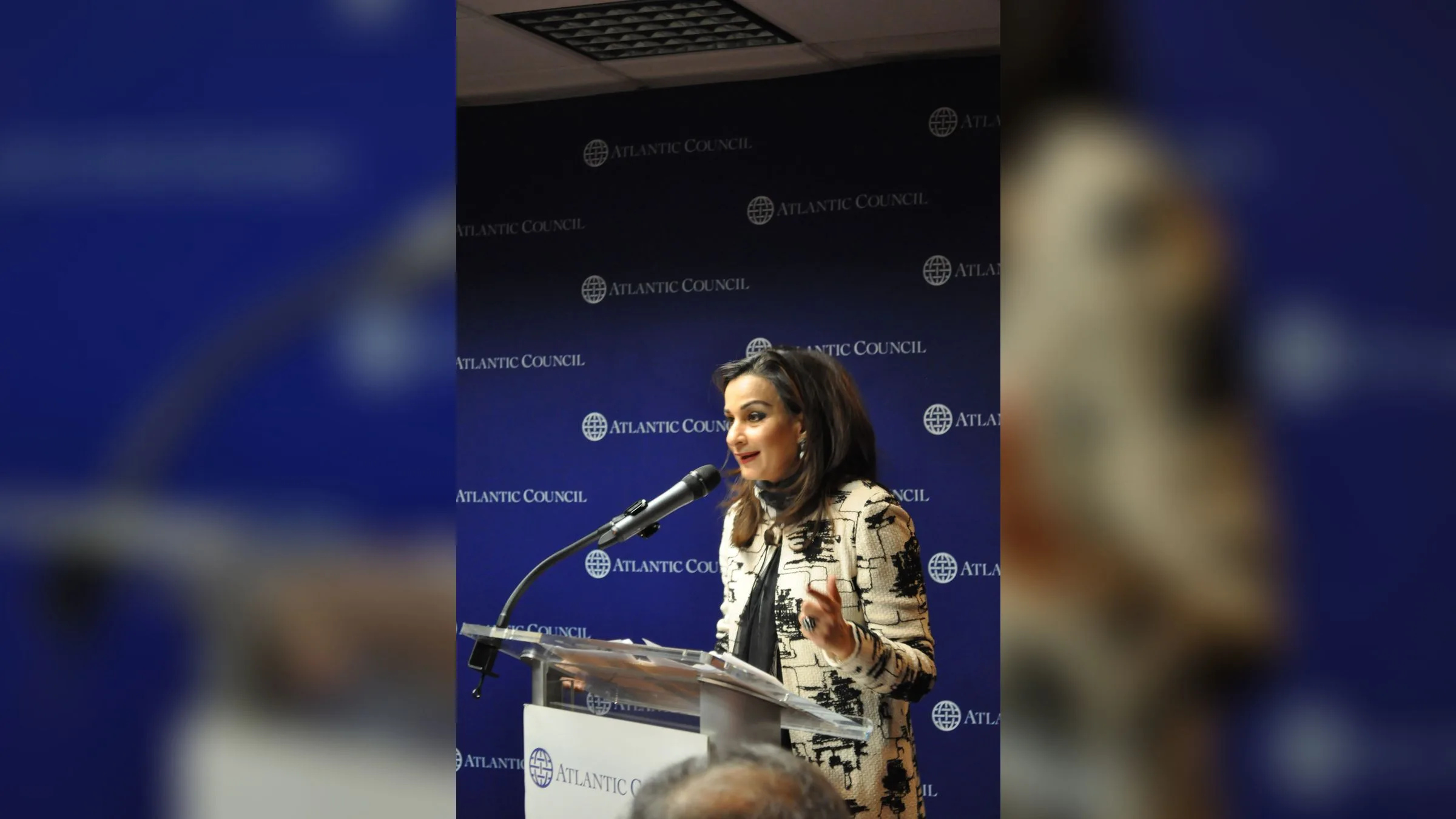
The Senate echoed with concerns about fuel supplies on Friday, as the PPP’s Sherry Rehman asked whether petrol will be available in December and Opposition Leader Allama Raja Nasir Abbas warned of a bleak situation as Middle East tensions rise, Dawn reported.
The concerns came even though Minister of State for Finance and Revenue Bilal Azhar Kayani told the house during question hour that there were no supply issues.
The government’s answer
Kayani said more than 10 million people were benefiting from the government’s targeted fuel subsidy scheme, and that Rs1,676 billion had been budgeted under the petroleum levy for the current year. The subsidy, he said, was being provided at petrol pumps. The impact of the regional conflict on petroleum prices was being felt across countries, he added, but the government was giving targeted relief to motorcyclists, rickshaw and loader operators, and users of small cars.
Finance Minister Muhammad Aurangzeb said in an interview last week that Pakistan had so far withstood the shock from skyrocketing energy prices, but called attacks on infrastructure in Saudi Arabia and other Gulf countries “worrying” for the longer-term outlook. He said the country had procured enough energy supplies to last through November and was now planning for the winter, when household needs typically rise.
“Will there be rationing?”
Rehman said parliamentarians were worried that petrol might not be available until December. “What is the government’s plan for the availability of petroleum products? Will there be rationing?” she asked, and demanded that the government brief parliament on any rationing and contingency plans being prepared.
She said reports of renewed attacks on Iran and the escalating conflict in West Asia had added to uncertainty over Pakistan’s petroleum supplies, with direct implications for energy security, economic stability and the lives of ordinary people. “These are not minor concerns,” she said.
She also warned of the consequences of any disruption to LPG supplies. Pakistan relies on imports for nearly 70 per cent of its LPG needs, while domestic production covers only 30 per cent, she said. The country received five LPG cargoes last year, but only two were expected this year, and she demanded that a supply plan be presented to parliament. Read our report on LPG hitting Rs750 a kilogram in northern Khyber Pakhtunkhwa.
The carbon levy
Rehman, who chairs the Senate Standing Committee on Climate Change, also criticised the carbon levy on petroleum products. She said that at the committee’s meeting on Thursday, the finance additional secretary had acknowledged that the levy is not being spent on environmental projects. A levy, unlike a tax, goes straight into the Federal Consolidated Fund, where there is no ring-fencing for spending on climate action, she said.
“The levy is being absorbed into general federal receipts instead of being earmarked for climate resilience despite severe and devastating floods facing all provinces,” she alleged. She said there should be no carbon levy in the next budget unless it is restructured as a carbon tax that is ring-fenced for mitigation and climate action, and called for “accountability for every rupee collected”.
The opposition’s warnings
Raja Nasir Abbas said a war engulfing key energy routes would worsen Pakistan’s energy crisis as maritime chokepoints come under threat. He linked the external crisis to domestic shortages, saying Punjab was already facing a flour shortage and the country an LPG shortage.
He said politicians were ignoring real issues and were busy trying to “conquer” provinces, seemingly referring to the imposition of governor’s rule and an emergency in Khyber Pakhtunkhwa on October 11, Dawn noted. He also questioned claims that terrorists had been given shelter in Swat and asked how many had been caught, and he claimed that the police, who guarantee peace, were being made to fight the public. On Yemen, he said Pakistan should mediate between the Houthis and Saudi Arabia.
The backdrop
The US-Israeli war on Iran, which began in February, has choked key supply routes, the Strait of Hormuz and the Bab el-Mandeb, and pushed up energy prices around the world. With Yemen’s civil war flaring up again, the Houthis have repeatedly attacked Saudi infrastructure, including energy facilities and airports, in recent days, Dawn reported.
Why it matters
Fuel supplies are a basic question for transport, farming and households. The government’s assurance of no supply problem sits next to shortages of LPG and flour, and lawmakers from both the PPP and the opposition are now asking for a written plan. A briefing to parliament on contingency measures, as Rehman demanded, would show how much room the government believes it has before December.
This article draws on reporting by Dawn.
Comments
Comments are reviewed by our editors before they appear. Please keep them civil and on topic. See our terms.
No comments yet. Be the first to share your view.