


Short-term inflation rose to 11.85 per cent year on year in the week ended October 22, driven largely by higher wheat flour prices, according to figures released by the Pakistan Bureau of Statistics (PBS) on Friday, Dawn reported.
The weekly index, called the Sensitive Price Index (SPI), covers 51 essential items whose prices are collected from 50 markets in 17 cities. Last week, short-term inflation stood at 11.38 per cent year on year. It has stayed in double digits for several consecutive weeks, mainly because of continued increases in petroleum prices, Dawn noted.
The week’s movement
The SPI rose 0.65 per cent compared with the previous week. Of the 51 items monitored, 19 (37.72 per cent) became more expensive, 12 (23.53 per cent) became cheaper, and 20 (39.22 per cent) were unchanged.
Biggest rises in the week:
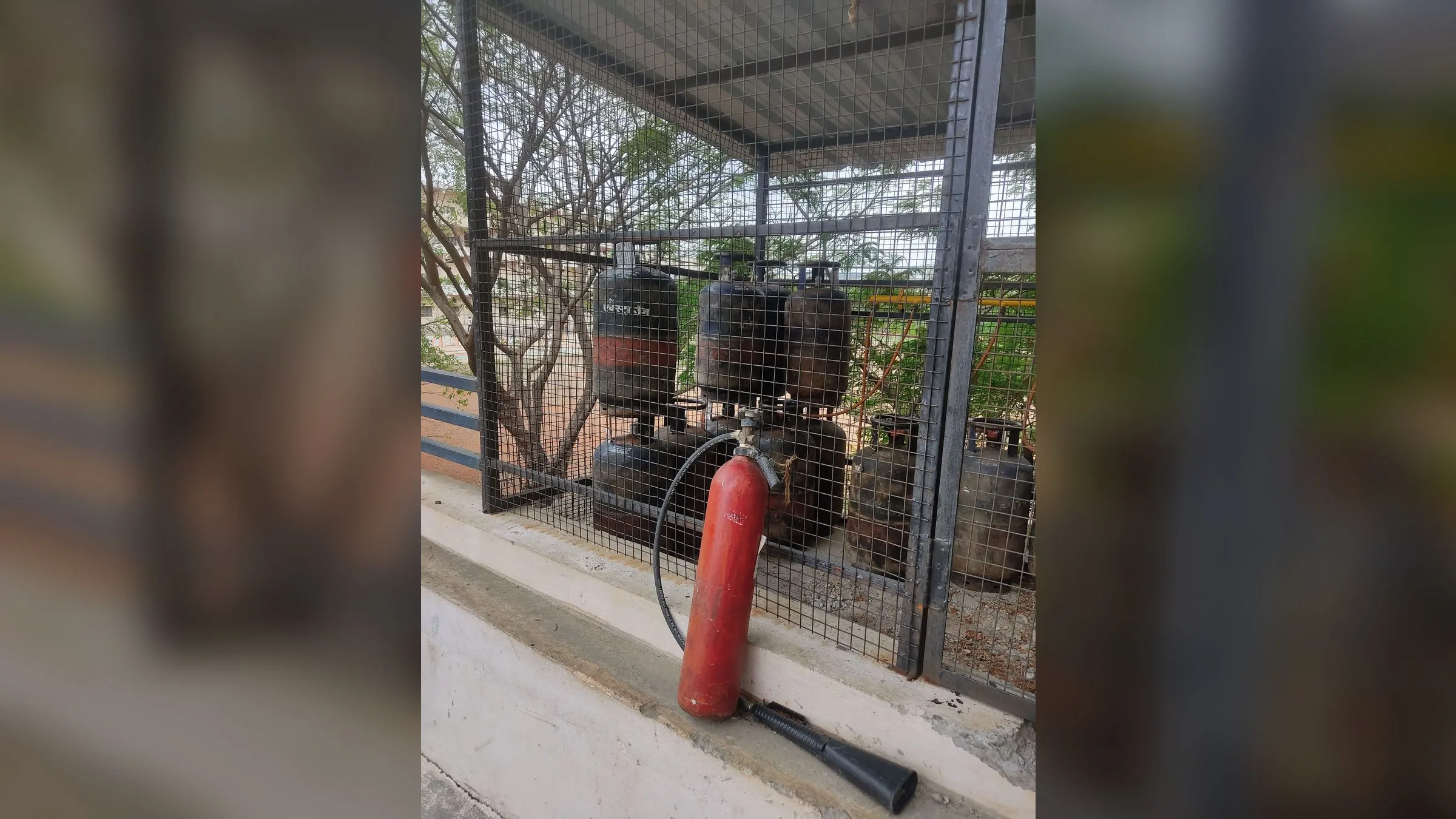
- liquefied petroleum gas (LPG): 22.44 per cent
- chicken: 12.20 per cent
- onions: 4.19 per cent
- shirting: 1.86 per cent
- plain bread: 1.66 per cent
- wheat flour: 1 per cent
Smaller rises were recorded for garlic (0.74 per cent), firewood (0.71 per cent), georgette and one kilogram of vegetable ghee (0.59 per cent each), beef (0.31 per cent) and pulse mash (0.30 per cent).
Cheaper in the week: tomatoes fell 21.99 per cent, petrol 3.63 per cent, bananas 2.42 per cent and diesel 1.68 per cent. Potatoes, gram pulse, eggs, powdered milk, broken basmati rice and sugar also became cheaper.
The year-on-year picture
On an annual basis, the sharpest increases were:
- LPG: 107.12 per cent
- Onions: 72.81 per cent
- Electricity for the first quarter: 58.59 per cent
- Petrol: 44.17 per cent
- Diesel: 41.56 per cent
- Chicken: 38.99 per cent
- Wheat flour: 36.49 per cent
- Chilli powder: 15.55 per cent
- Mutton: 14.66 per cent
- Beef: 12.10 per cent
- Plain bread: 10.82 per cent
In contrast, tomato prices were down 71.72 per cent on a year earlier, followed by potatoes (40.75 per cent), sugar (25 per cent), eggs (22.14 per cent), salt powder (14.86 per cent), masoor pulse (9.08 per cent), gur (8.98 per cent) and moong pulse (7.05 per cent).
Cost-push pressure
Dawn said the government is unwilling to ease the petroleum levy and has continued to adjust petrol and diesel prices on a daily basis. The surge in energy costs is feeding inflation and also indirectly boosting sales tax collection through higher prices of goods and services. This is cost-push inflation, in which rising energy costs are followed by food price increases, and households are under pressure from higher consumer prices.
The figures fit with other signs of stress. LPG has hit Rs750 a kilogram in parts of northern Khyber Pakhtunkhwa, against an official Rs279.34, and senators asked on Friday whether petrol will last until December. Read our reports on the LPG crisis and on analysts’ expectations for inflation near 10 per cent.
Why it matters
The weekly index measures the prices that poorer households feel most, such as flour, cooking gas, chicken and onions. Its steady rise above 11 per cent shows that the government’s targeted fuel relief has not stopped the pass-through of energy costs into food. Next week’s reading will show whether the fall in petrol and tomato prices is enough to offset gas and flour, and whether the new wheat price of Rs4,500 per maund adds to the pressure. Read our report on the new wheat price.
This article draws on reporting by Dawn and data from the Pakistan Bureau of Statistics.

Comments
Comments are reviewed by our editors before they appear. Please keep them civil and on topic. See our terms.
No comments yet. Be the first to share your view.