


Sindh Chief Minister Syed Murad Ali Shah has approved the release of government wheat at Rs12,500 per 100-kilogramme bag from October 15, in a bid to stabilise flour prices that have jumped again in Karachi.
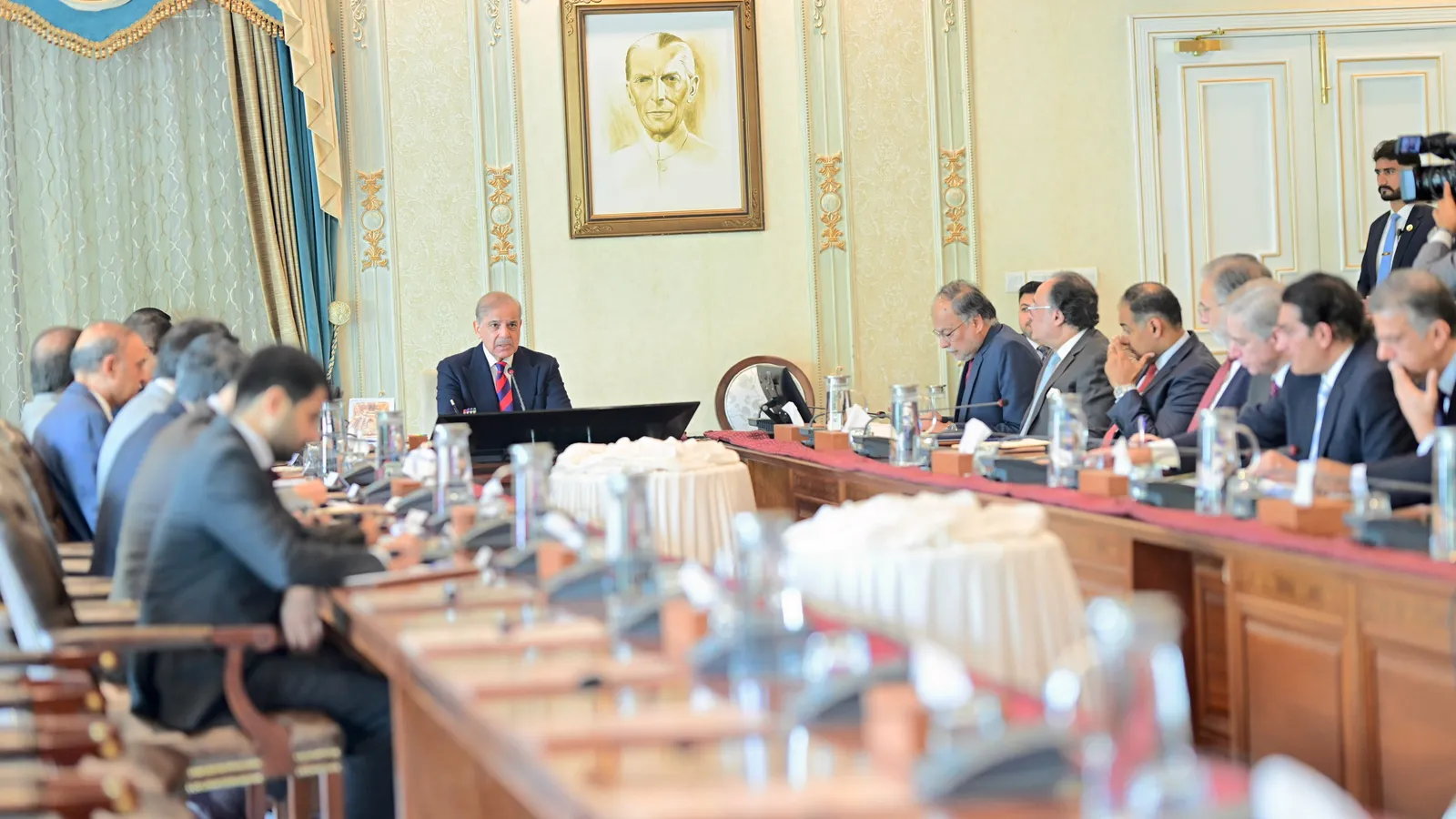
He gave the approval while chairing a meeting of the food department at CM House on Wednesday, directing officials to start the releases on the 15th and make sure the benefit of the subsidised price reaches consumers, Dawn reported.
How much wheat is available
The meeting was told that Sindh holds 346,414 metric tonnes of wheat in government stocks across its districts. Another 190,000 tonnes are to come from the Pakistan Agricultural Storage and Services Corporation (PASSCO), along with 300,000 tonnes of imported wheat, taking the total available for release to 836,414 tonnes.
The breakdown shared with the meeting:
- Karachi Division: 135,948 tonnes now, rising to 565,948 tonnes after the PASSCO and imported stocks arrive
- Hyderabad region: an extra 30,000 tonnes from PASSCO
- Mirpurkhas and Shaheed Benazirabad regions: 60,000 tonnes from PASSCO
Last year, the province released 974,982 tonnes of wheat into the market.
Officials told the meeting that wheat in Karachi was selling at about Rs13,200 per 100kg, with retail flour at Rs165 to Rs170 per kg. On October 1, wheat was at Rs12,400 and flour at Rs160 to Rs165, showing a steady rise. The chief minister told the food department to monitor the market closely to protect consumers from sharp increases.
Millers raise prices by Rs14
The decision comes after a run of flour price rises across the country, with millers in Karachi raising the prices of various flour varieties by an average of Rs14 per kg over three days, Dawn reported. Their new rates are:
- flour No. 2.5: Rs155 per kg
- maida: Rs167 per kg
- fine flour: Rs170 per kg
In retail markets, flour No. 2.5 now sells for Rs180, fine flour for Rs200 and chakki flour for Rs210 per kg, up from Rs170, Rs180 and Rs180 to Rs200. A branded five-kilogramme bag of fine flour costs Rs1,000 to Rs1,010, up from Rs950.
Some retailers said they had run out of flour after millers stopped supplies for several days before announcing the increase. A miller said open-market wheat, which had held at Rs125 to Rs130 per kg, had risen to Rs138, and that grain and flour were getting dearer across the country.
Roti and naan cost more
The rises have already reached the tandoor. Roti makers have put up the price of naan by Rs5 to Rs30 to Rs35 a piece, and raised sheermal, taftaan and kulcha by Rs10. Branded bread makers raised bread and bakery prices by 8 to 9 per cent earlier this month, and a good-quality chapati now costs Rs20.
A tandoor owner said he faced a double shock from flour and from liquefied petroleum gas, which sells at Rs400 to Rs420 per kg. He warned that roti prices could rise by another Rs5 to Rs10 a piece if flour and gas prices do not come down.
Why it matters
Flour is a staple for most households, and the new crop from Sindh and Punjab will not arrive until March to May. Imported wheat is due this month or in November, so the government release from October 15 will be the main test of whether prices can be held in the months before the harvest.
This article draws on reporting by Dawn and The Express Tribune.

Comments
Comments are reviewed by our editors before they appear. Please keep them civil and on topic. See our terms.
No comments yet. Be the first to share your view.