
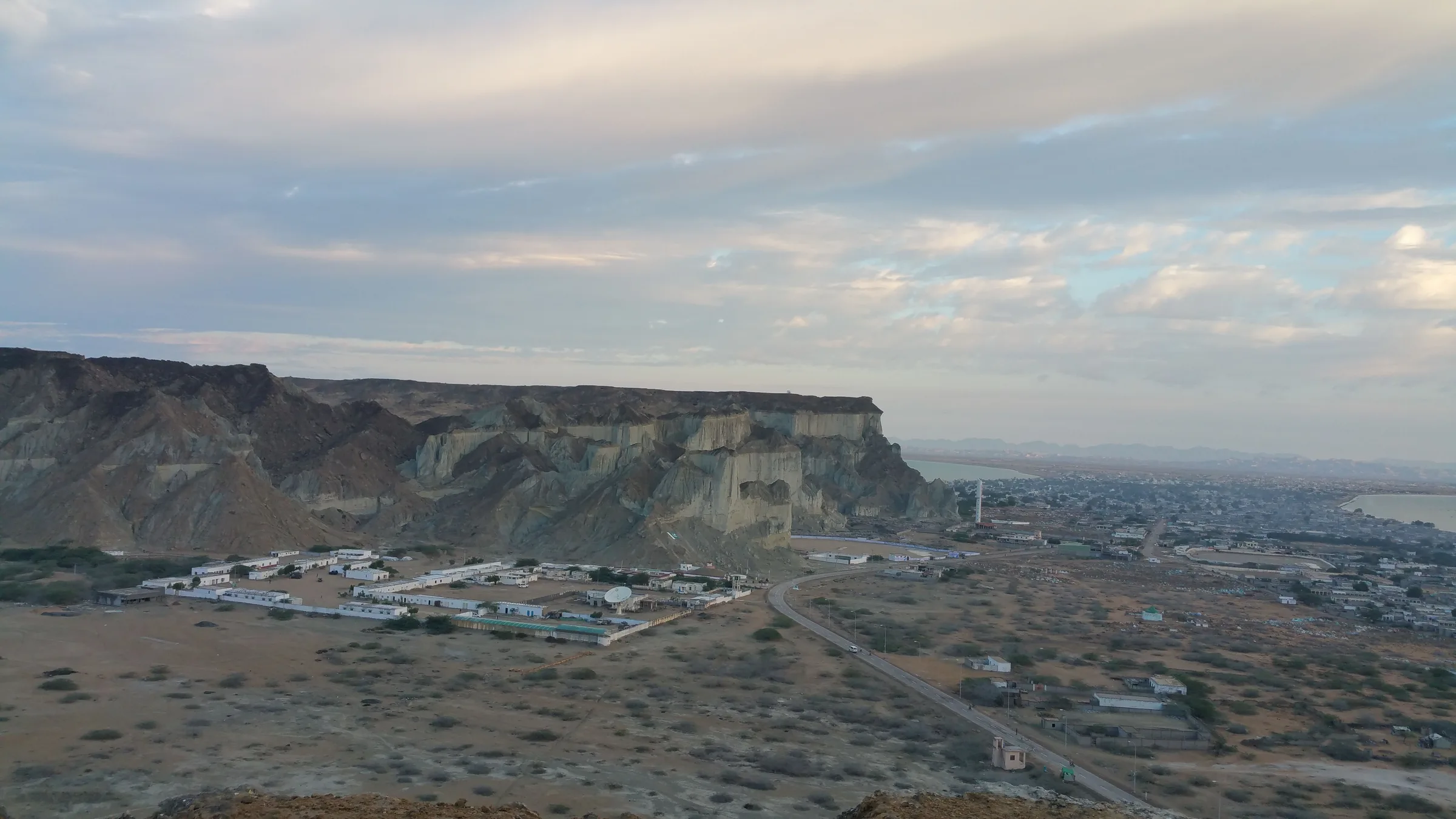
Security forces killed 10 terrorists, including one woman, in clearance operations in Balochistan’s Gwadar district after attacks on Thursday, the military’s media wing said on Friday. One civilian was martyred, the Inter-Services Public Relations (ISPR) said, and a few vehicles were damaged.
What the ISPR said
In a statement, the ISPR said that on October 22, “Indian-sponsored terrorists of Fitna al Hindustan” tried to carry out terrorist activities in Gwadar district, in the general areas of the Gabd border crossing and Gwadar city. The state uses the label Fitna al Hindustan for Balochistan-based groups, to highlight what it describes as India’s role in terrorism and destabilisation in Pakistan, Dawn reported.
“By targeting these locations, terrorists sought to harm the very people they claim to represent and wanted to obstruct the development and prosperity of Balochistan,” the ISPR said. To protect residents and clear the area, security forces launched clearance operations in and around Gwadar city, and in separate engagements “foiled the terrorists’ designs” and their bid to undermine the writ of the state.
“In the ensuing exchanges of fire, ten terrorists, including one female terrorist, were sent to hell,” the statement said. “Operations were concluded without any loss to security forces, restoring order and writ of the state.”
The woman among the attackers
The ISPR dwelt on the involvement of a woman. It said that “coercion of a Baloch woman into this attack is a crime not only against the state but against the hurmat [honour] of Baloch women”, and accused the terrorists of exploiting Baloch women “as an instrument of propaganda, intended to inflame public sentiment and lend false sanctity to their campaign”. Such tactics were “contrary to Baloch and Islamic traditions, which hold women in the highest honour”, it added, and the people of Balochistan “have consistently rejected those who shed blood in their name”.
The counterterrorism campaign under the vision of Azm-e-Istehkam, approved by the Federal Apex Committee on the National Action Plan, will continue “at full pace”, the statement said. “Security forces and law enforcement agencies remain resolute in eliminating foreign-sponsored and supported terrorism from the country.”
President’s reaction
President Asif Ali Zardari praised the security forces for foiling the attacks and killing the 10 terrorists, and expressed deep sorrow over the martyrdom of the civilian, according to a statement from the Presidency. He said efforts to disrupt peace and stability in Balochistan could not shake the people’s resolve for development and prosperity, and stressed that peace was essential to protect their rights and interests. He also condemned what he called the use of Baloch women’s honour “for political interests”.
What happened a day earlier
On Thursday, security sources said forces had killed three terrorists and foiled an attack on an unoccupied construction company camp in Gwadar, Radio Pakistan reported, as cited by The Express Tribune. Forces had also surrounded other suspects, and in a separate operation were targeting militants hiding in a hotel near the Gwadar Highway, with the area’s general officer commanding personally leading it. Read our earlier report on the Gwadar attack and the Karak police deaths.
The wider picture
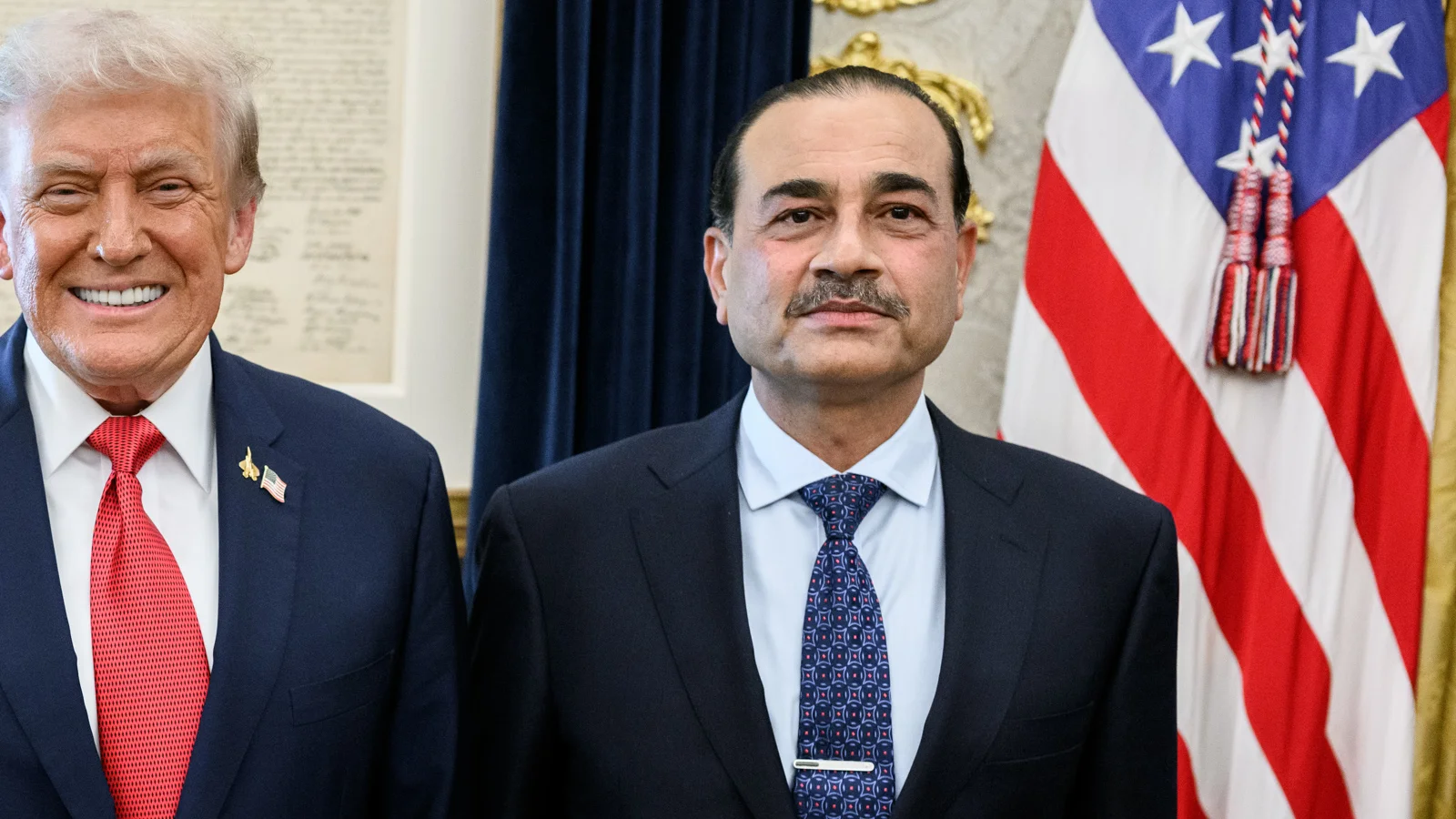
Field Marshal Asim Munir said earlier on Friday, during a visit to Peshawar Corps Headquarters, that the armed forces would continue the campaign against what the ISPR calls Indian-sponsored terrorist outfits “to the fullest”. Read our report on the field marshal’s statement.
The data show a rising trend. According to the Pakistan Institute for Conflict and Security Studies (PICSS), terrorist attacks in Balochistan rose by seven per cent, from 83 in July to 89 in August, and the province was declared the “most affected” by terrorism. The monitoring group ACLED counts attacks in Pakistan as rising nearly fourfold, from 658 in 2022 to 2,425 in 2025, The Express Tribune reported.
Recent incidents in Balochistan include:
- Last week: 20 trainee police personnel were abducted by unidentified armed men while travelling between Kalat and Mastung, according to the Tribune.
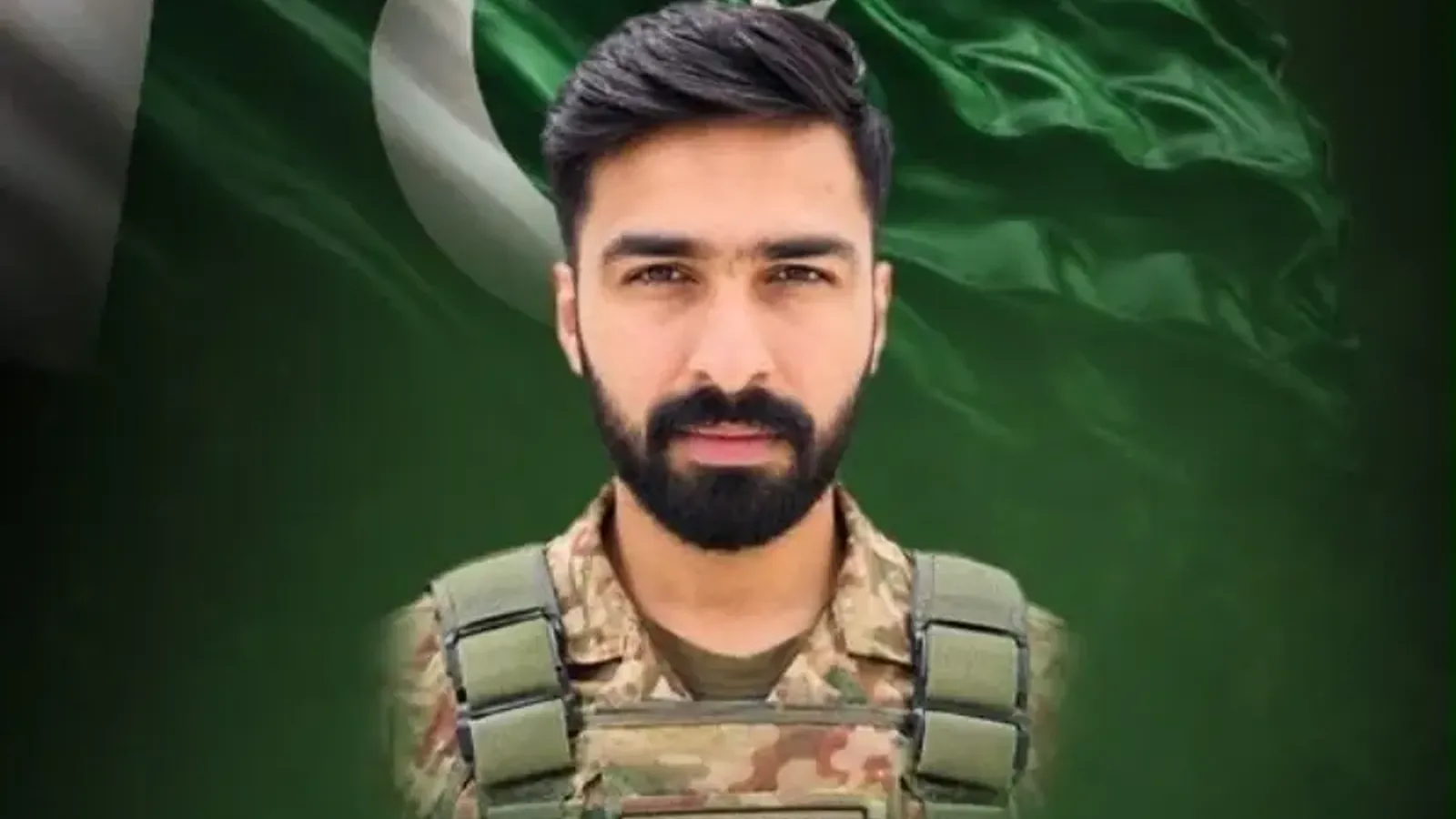
- October 19: an army major was martyred and four terrorists were killed in intelligence-based operations, the ISPR said.
- July: at least 30 people, including 27 police personnel, were martyred when terrorists, identified by the state as Fitna al Hindustan, ambushed police in the Kach Mangi area of Ziarat. A joint operation by the army, Frontier Corps and Balochistan Police that followed is still under way.
Why it matters
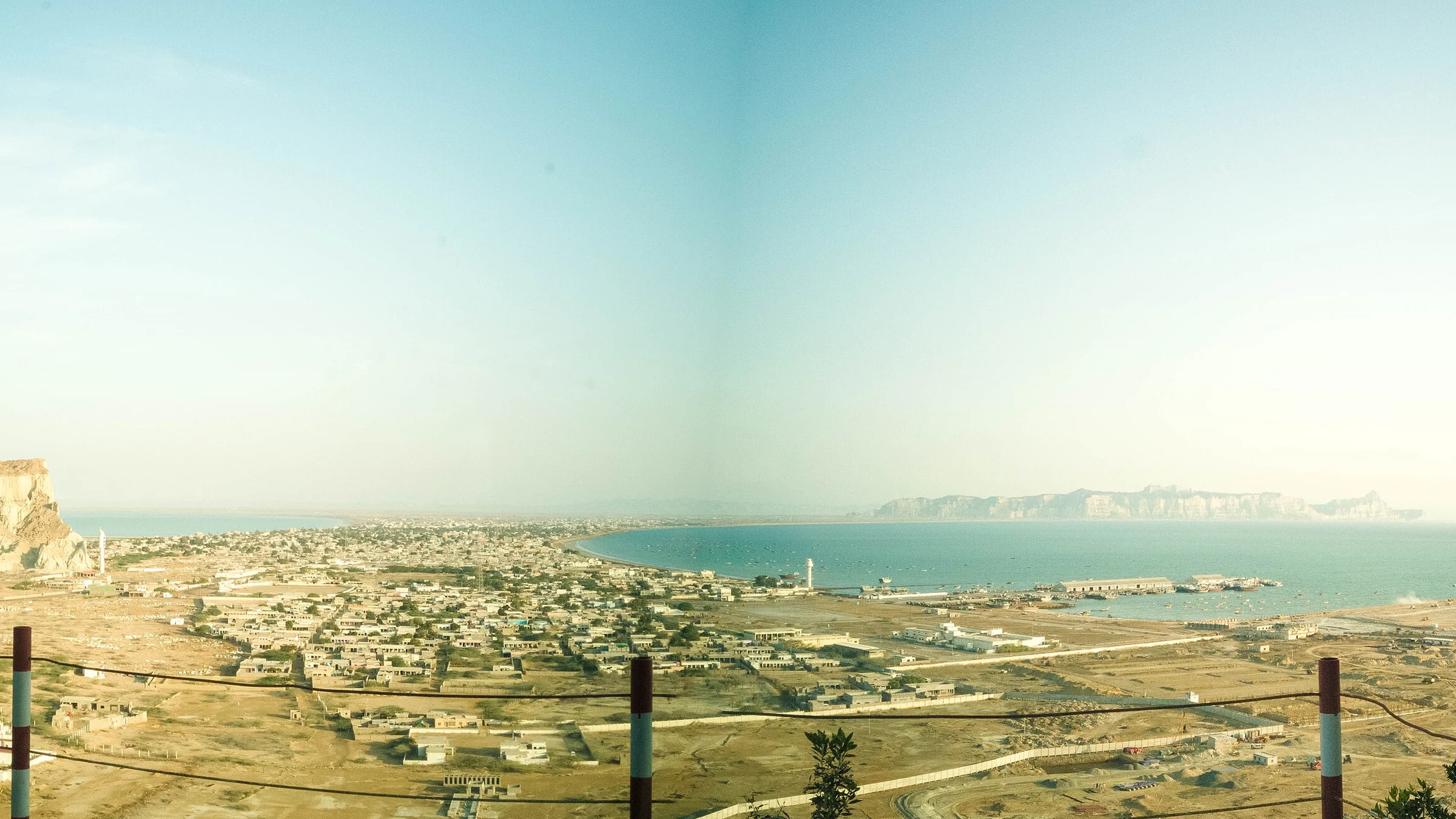
Gwadar is the centre of Balochistan’s development plans, and attacks there strike at the port city’s security and its civilians. The ISPR says the operations ended without loss to the forces, but the death of a civilian and the rising attack numbers show how much pressure the province is under. The next ISPR and PICSS updates will show whether the intensified operations are bringing the number of attacks down.
This article draws on reporting by Dawn, The Express Tribune and Geo News.

Comments
Comments are reviewed by our editors before they appear. Please keep them civil and on topic. See our terms.
No comments yet. Be the first to share your view.