
The Ministry of Finance has formed a committee of government and industry representatives to review the gas levy policy and the formula used to calculate it, after exporters complained that high energy costs are hurting their competitiveness, Business Recorder reported.
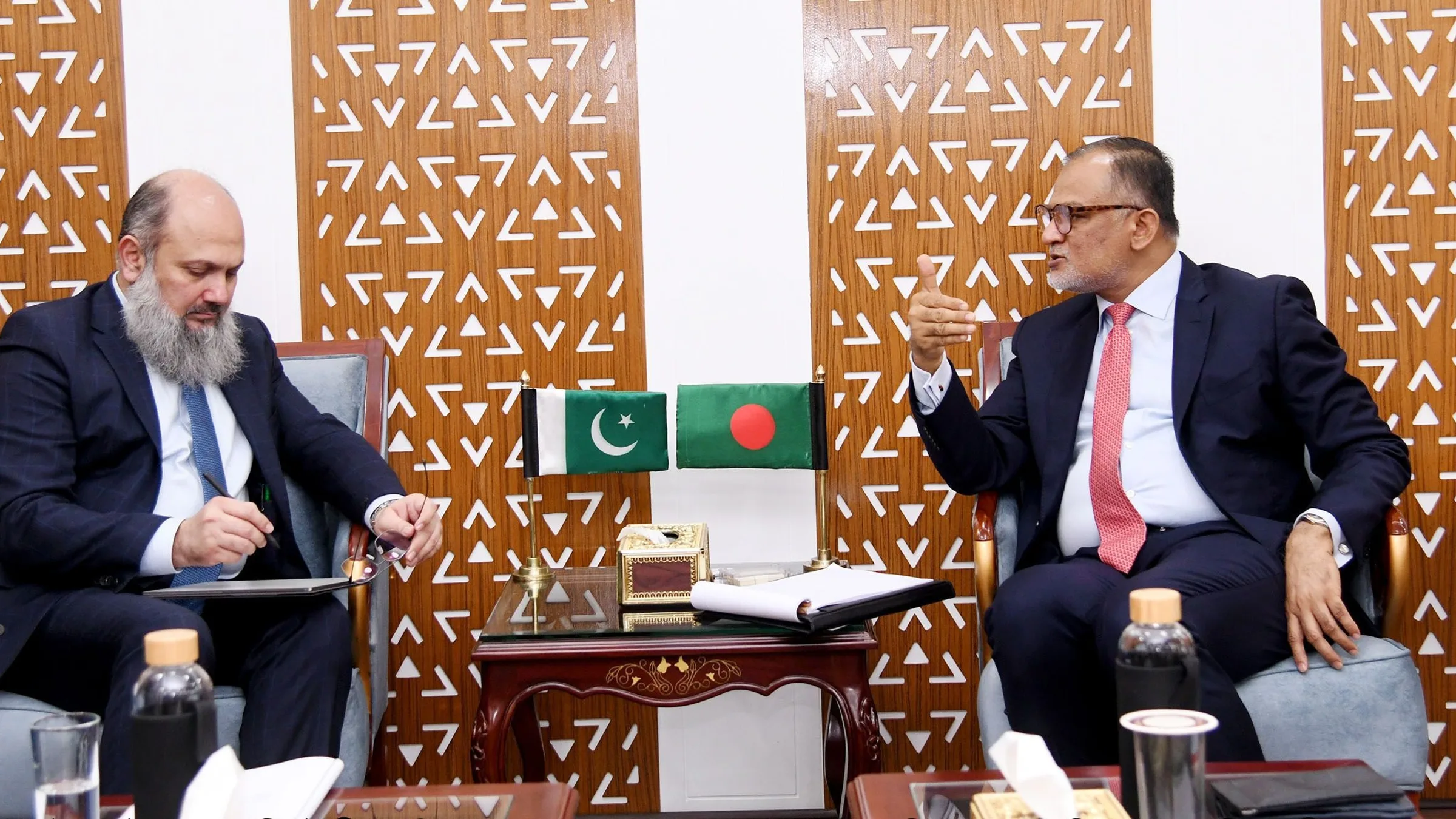
The move was announced at a follow-up meeting between leading exporters and senior officials at the Ministry of Commerce, chaired by Commerce Minister Jam Kamal Khan and attended by Minister of State for Finance and Revenue Bilal Azhar Kayani. Exporters took part in person and online.
It followed an earlier high-level meeting held to identify the challenges facing exporters, including energy costs, taxation, financing constraints, regulatory procedures and access to international markets.
Energy and provincial levies
The meeting looked closely at industrial energy costs, especially the gas levy and its effect on exports. Participants were told the finance ministry’s new committee would recommend possible changes to the levy.
Exporters also raised concerns about the Punjab infrastructure cess, including how it is applied and collected, and the extra costs it adds. The meeting called for clarity on its legal framework, exemptions and coordination with provincial authorities.
Taxes, refunds and fees
The exporters’ other concerns included:
- Taxes: proposals to rationalise export-related eligibility thresholds and offer super tax relief in proportion to export income, plus concerns about additional sales tax and refunds for non-traditional exporters. These will be examined with the finance ministry and the FBR.
- Export Facilitation Scheme: procedures and eligibility were reviewed, and participants proposed bigger incentives under the export growth scheme.
- Fees: certification charges and repeated document amendment fees charged by the Department of Plant Protection, which the meeting said should be rationalised.
- Travel: business visa restrictions, foreign travel advisories and insurance costs. Officials said these were being pursued through diplomatic channels, and faster visas for verified exporters were being explored.
Market access
Jam Kamal said Pakistan was revisiting its trade arrangements and seeking better preferential access with major partners, including China, South Korea, Turkiye, Japan and Vietnam.
He said Pakistan had been pressing China for greater tariff concessions in line with those given to other countries, and that talks on preferential trade with South Korea were progressing. On tyre exports to Turkiye, officials said some categories already enjoy concessions under the bilateral preferential trade agreement and asked exporters to submit product details and HS codes so outstanding issues could be taken up with Ankara.
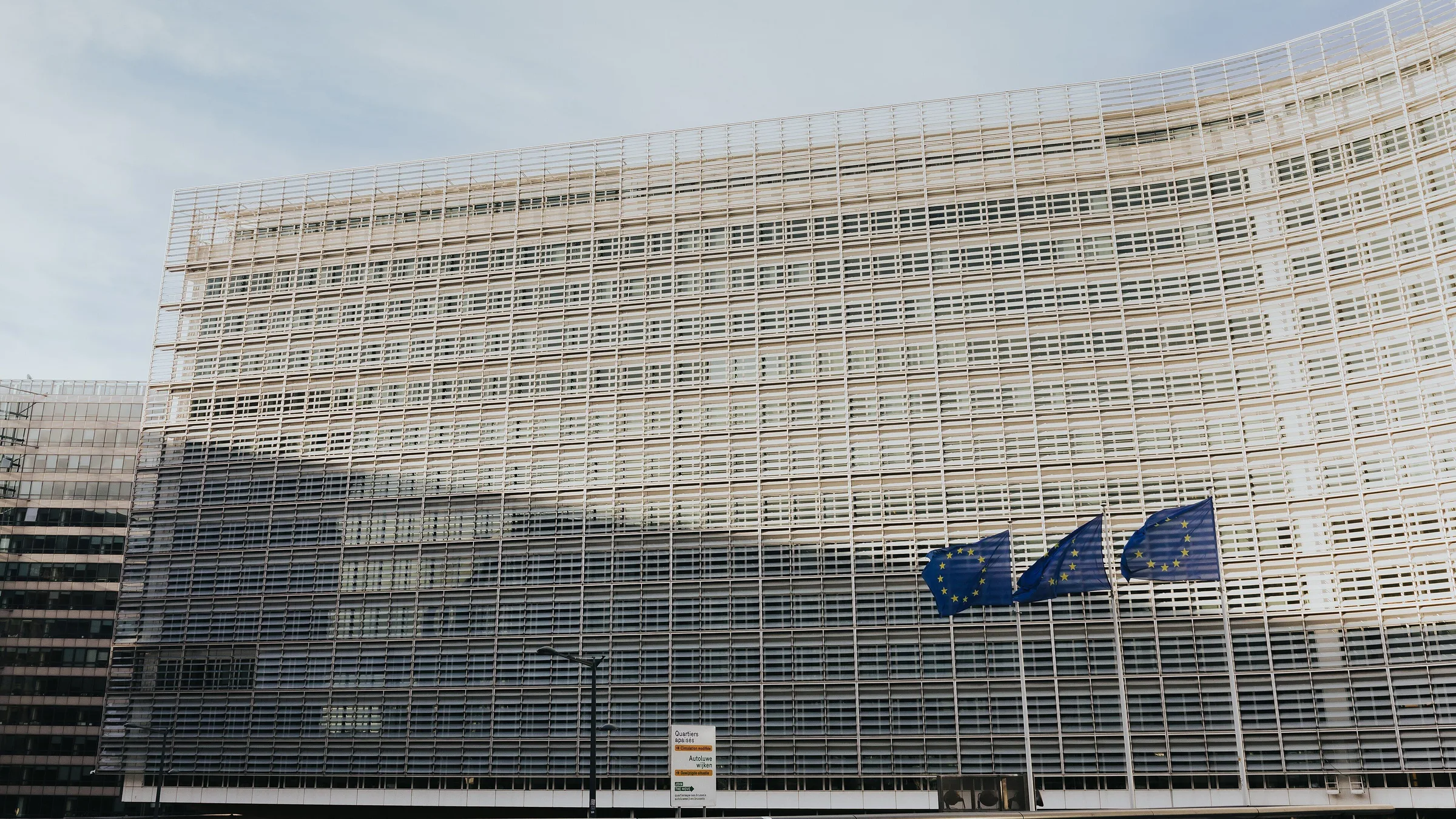
The meeting also discussed livestock and dairy exports, and the importance of continued compliance with international commitments to protect Pakistan’s GSP Plus access to the European Union.
Next steps
Exporters were asked to submit short written recommendations, and ministries were asked for updated positions and timelines. The commerce ministry will compile the recommendations into a presentation for the prime minister at an expected high-level meeting.
The minister said even small regulatory costs and procedural problems could together hurt exporters’ competitiveness. The meeting follows warnings this week from cotton ginners and exporters that rising costs and tax raids are threatening the industry.

Comments
Comments are reviewed by our editors before they appear. Please keep them civil and on topic. See our terms.
No comments yet. Be the first to share your view.