
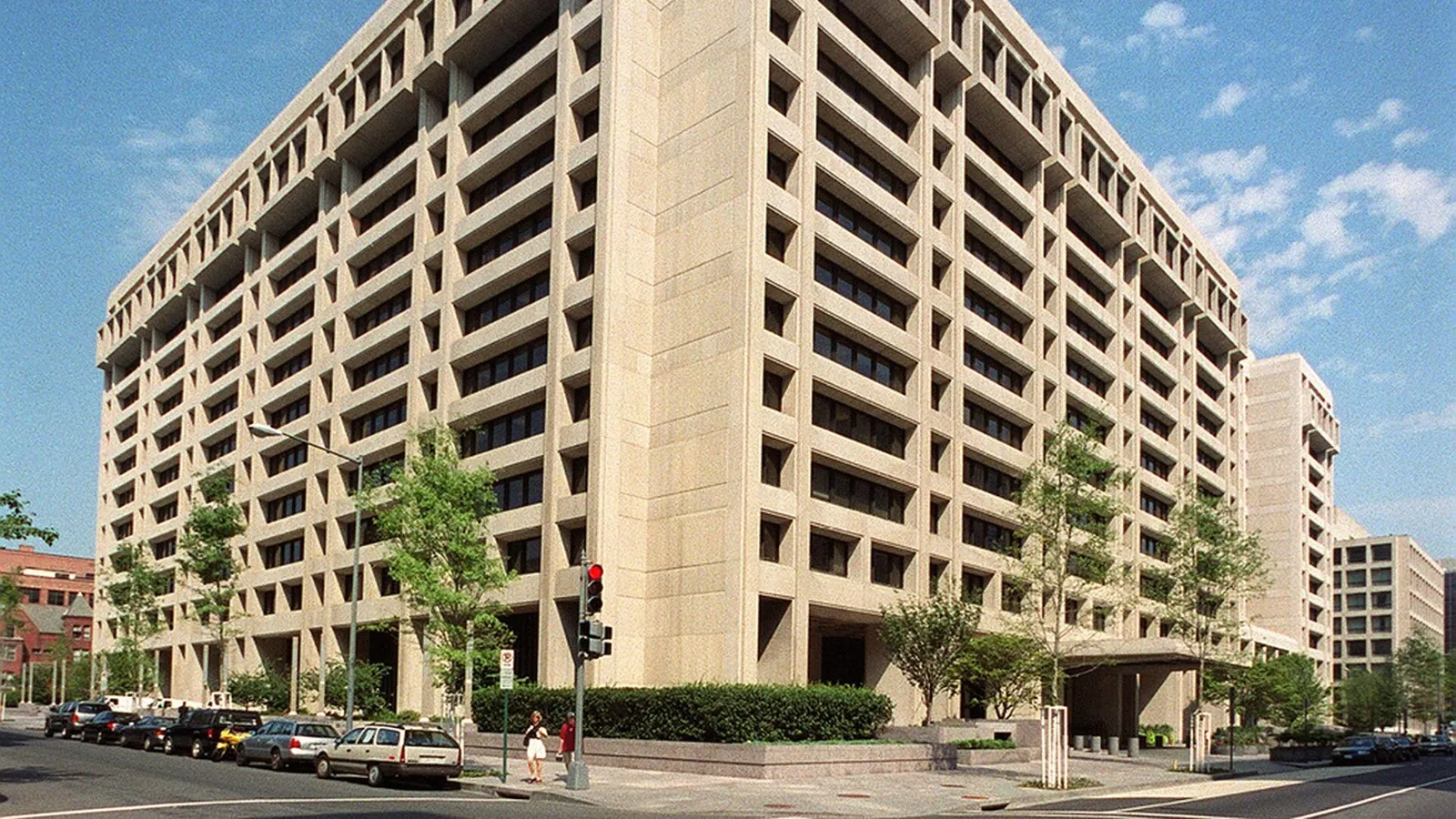
The International Monetary Fund (IMF) has reached a staff-level agreement with Pakistan on the latest reviews of its loan programme, clearing the way for about $1.2 billion in fresh funding once the Fund’s Executive Board signs off.
The agreement covers the fourth review of the 37-month, $7bn Extended Fund Facility (EFF) and the third review of the 28-month Resilience and Sustainability Facility (RSF), the IMF said in an early morning statement on Thursday. Dawn reported that Pakistan could draw the money within four to five weeks.
What Pakistan gets
Once the board approves, Pakistan will have access to:
- about $1bn (SDR 760 million) under the EFF
- about $210 million (SDR 154 million) under the RSF
That would take total disbursements under the two arrangements to about $5.7bn. The two sides also concluded the 2026 Article IV consultation, the Fund’s annual health check of the economy.
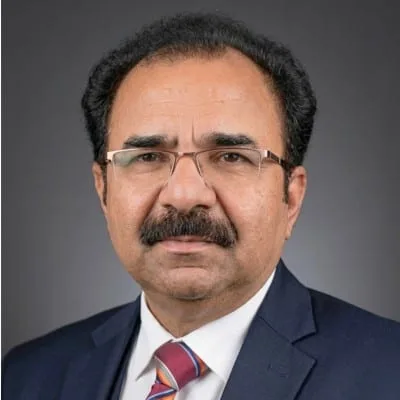
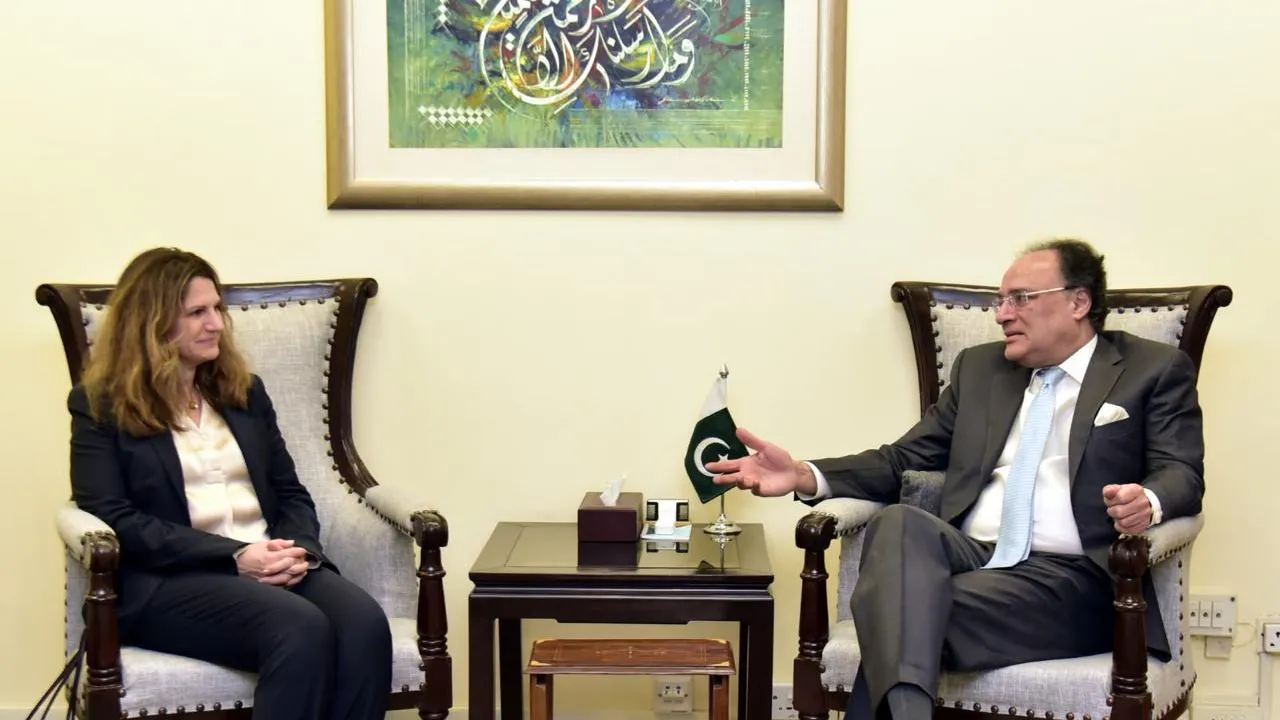
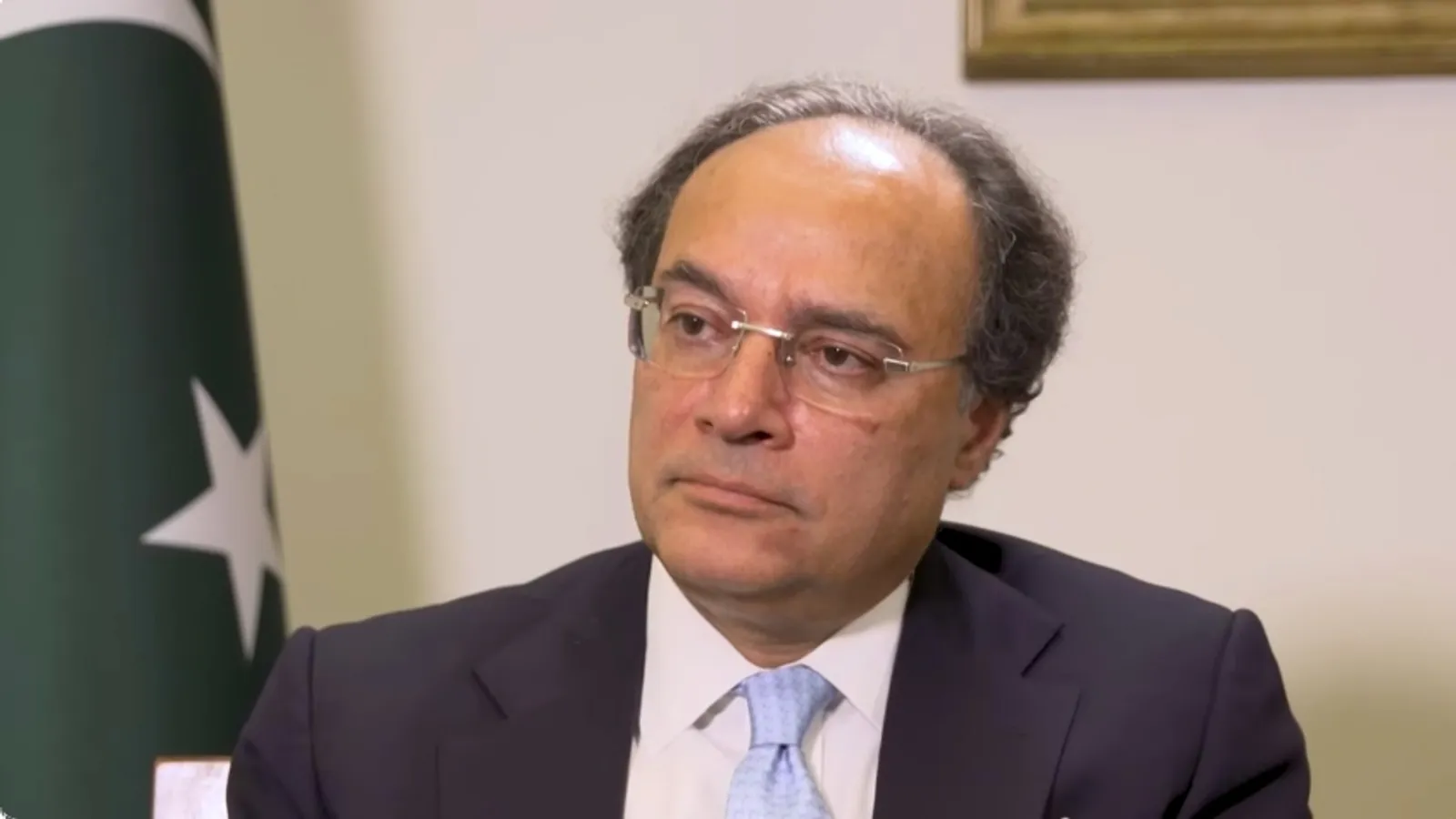
An IMF team led by Iva Petrova held talks in Karachi and Islamabad from September 23 to October 7. The Finance Division said Finance Minister Muhammad Aurangzeb held a wrap-up session with Petrova at the close of the review.
The Fund’s verdict
“Program implementation under the EFF has remained broadly on track despite a challenging external environment,” the IMF said. It said Pakistan had navigated the impact of the Middle East conflict and that strong policies had preserved macroeconomic stability.
According to the Fund:
- real GDP growth reached 4 per cent in the first three quarters of FY26, and full-year growth is estimated at 3.6pc after higher energy prices and supply disruptions slowed momentum
- headline inflation eased to about 10.3pc in September after peaking in May, while core inflation stayed contained
- the current account was broadly balanced in FY26, helped by strong remittances
- gross reserves rose to about $21.5bn by the end of September
The IMF also pointed to sovereign rating upgrades and renewed access to international markets as signs of stronger policy credibility. It warned, however, that risks remain high from geopolitical tensions, volatile energy prices, tighter global financial conditions and trade disruptions.
What comes next
The Fund said steady implementation of the FY27 budget, anchored by an underlying primary surplus of 2pc of GDP, was critical to putting public debt on a lasting downward path. It called for:
- Tax: risk-based audits, digital invoicing and third-party data to protect revenue, and a medium-term plan for a simpler, fairer tax system
- Fuel support: a prompt end to the fuel support scheme because of its high cost and broad targeting; any future support should be limited, time-bound and targeted
- Monetary policy: an “appropriately tight” stance from the State Bank until inflation returns durably to its target range, with a flexible exchange rate as a shock absorber
- Energy: timely tariff adjustments and cost-cutting reforms to stop circular debt from building up again
- Social spending: health and education spending rose from 2.2pc of GDP in FY24 to 2.5pc in FY26, and the government has committed to 2.8pc in FY27
Under the RSF, the IMF said Pakistan had made progress in building climate considerations into public investment planning and in strengthening disaster risk financing.
How the programme has run
Pakistan and the IMF agreed the $7bn package in July 2024. The first review was settled in March 2025 and the second in October 2025. Talks on the third review in March this year ended without agreement, but in May the board allowed Pakistan to draw about $1.1bn under the EFF and $220m under the RSF, taking disbursements to roughly $4.8bn.
Why it matters
The tranche keeps Pakistan’s main external support programme on track at a time of high energy prices and regional conflict. Board approval, expected within weeks, would lift total IMF support under the two arrangements to about $5.7bn.
This article draws on reporting by Dawn, Geo News and The Express Tribune.

Comments
Comments are reviewed by our editors before they appear. Please keep them civil and on topic. See our terms.
No comments yet. Be the first to share your view.