
Independent United Nations human rights experts have warned that the United States’ policy of deporting people to countries other than their own is triggering “a cascade of human rights violations”, and called on every country involved to stop the practice immediately.
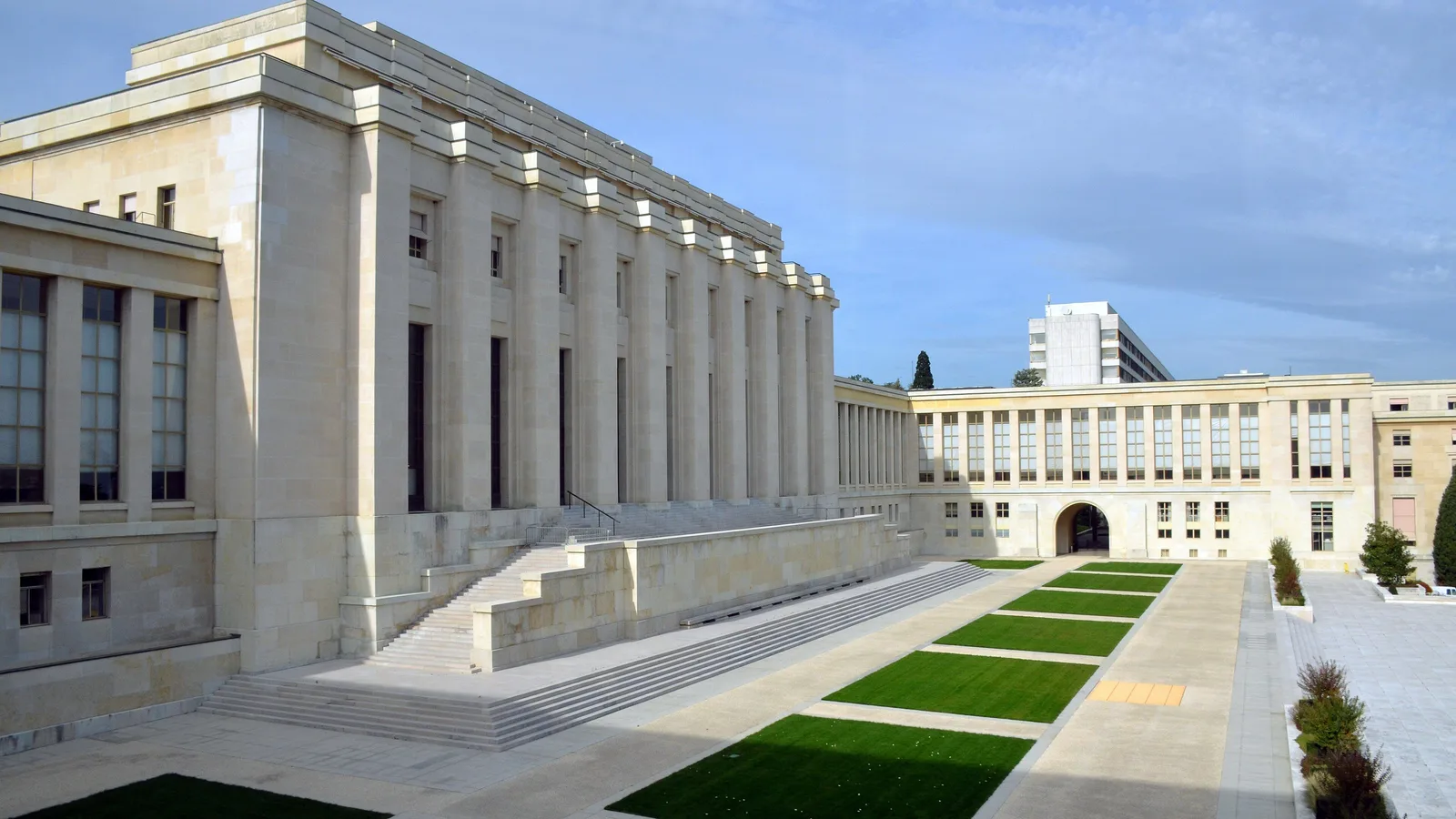
In a statement issued in Geneva on Monday, more than 20 experts appointed by the UN Human Rights Council, including the special rapporteurs on the rights of migrants and on human rights while countering terrorism, said the risks of the policy were no longer theoretical.
“The harms caused by this US Government scheme are no longer hypothetical,” the experts said. “The arrangements are triggering a cascade of human rights violations, increasing risks of torture and ill-treatment and enforced disappearance.”
How the scheme works
Under what are known as third-country deportations, people removed from the United States are sent not to their home countries but to other states that have agreed to receive them. The experts said the US had signed agreements with more than 35 countries, including:
- Burundi
- Central African Republic
- Democratic Republic of Congo
- Libya
- South Sudan
According to the experts, at least 23,000 people have been deported to countries other than their own. An investigation by Forbidden Stories, a network of journalists, found that the number had passed 25,000 by the end of August.
The abuses they describe
The experts said deportees were being sent to places where they have no ties, leaving them exposed to serious harm. The violations they listed included:
| Risks facing deportees |
|---|
| Torture and ill-treatment |
| Enforced disappearance |
| Arbitrary and incommunicado detention |
| Slavery and trafficking |
| Gender-based violence and discrimination |
| Family separation and lack of access to lawyers |
Who is most at risk
The experts said some groups were at the “gravest risk”, naming “children, women, persons with disabilities, victims of trafficking, LGBT persons, human rights defenders, stateless persons and other people in extremely vulnerable situations.”
They said the deportations breached the principle of non-refoulement, a rule of customary international law that bars any state from sending a person to a place where they face a real risk of torture, persecution or other serious harm.
A call to all governments involved
The experts did not only address Washington. “All states and territories involved must immediately halt these arrangements,” they said, putting the responsibility on the countries that receive deportees as well as the US.
The AFP report on the statement carried no response from the US government.
UN special rapporteurs are independent experts who report to the Human Rights Council. They do not speak for the UN as a whole and are not UN staff, but their findings are often cited in international debates on human rights.
Why it matters
The statement came as world leaders wrapped up the UN General Assembly’s high-level week in New York, and it shows how the UN’s human rights system can still hold powerful governments to account even when it cannot force them to change course. For Pakistan, which has long hosted millions of Afghan refugees and has its own large diaspora abroad, the debate over how countries return migrants is not a distant one. The UN experts’ warning adds pressure on Washington and on the governments that have agreed to receive deportees to show that people sent to them are safe.
This article draws on reporting by AFP, Dawn and Courthouse News Service.

Comments
Comments are reviewed by our editors before they appear. Please keep them civil and on topic. See our terms.
No comments yet. Be the first to share your view.