
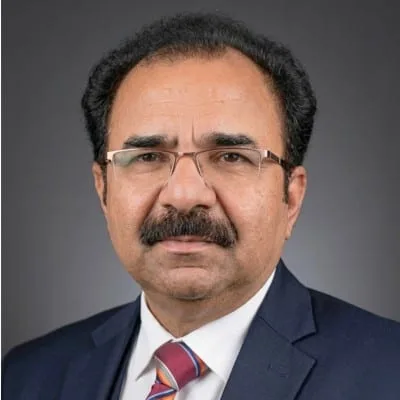
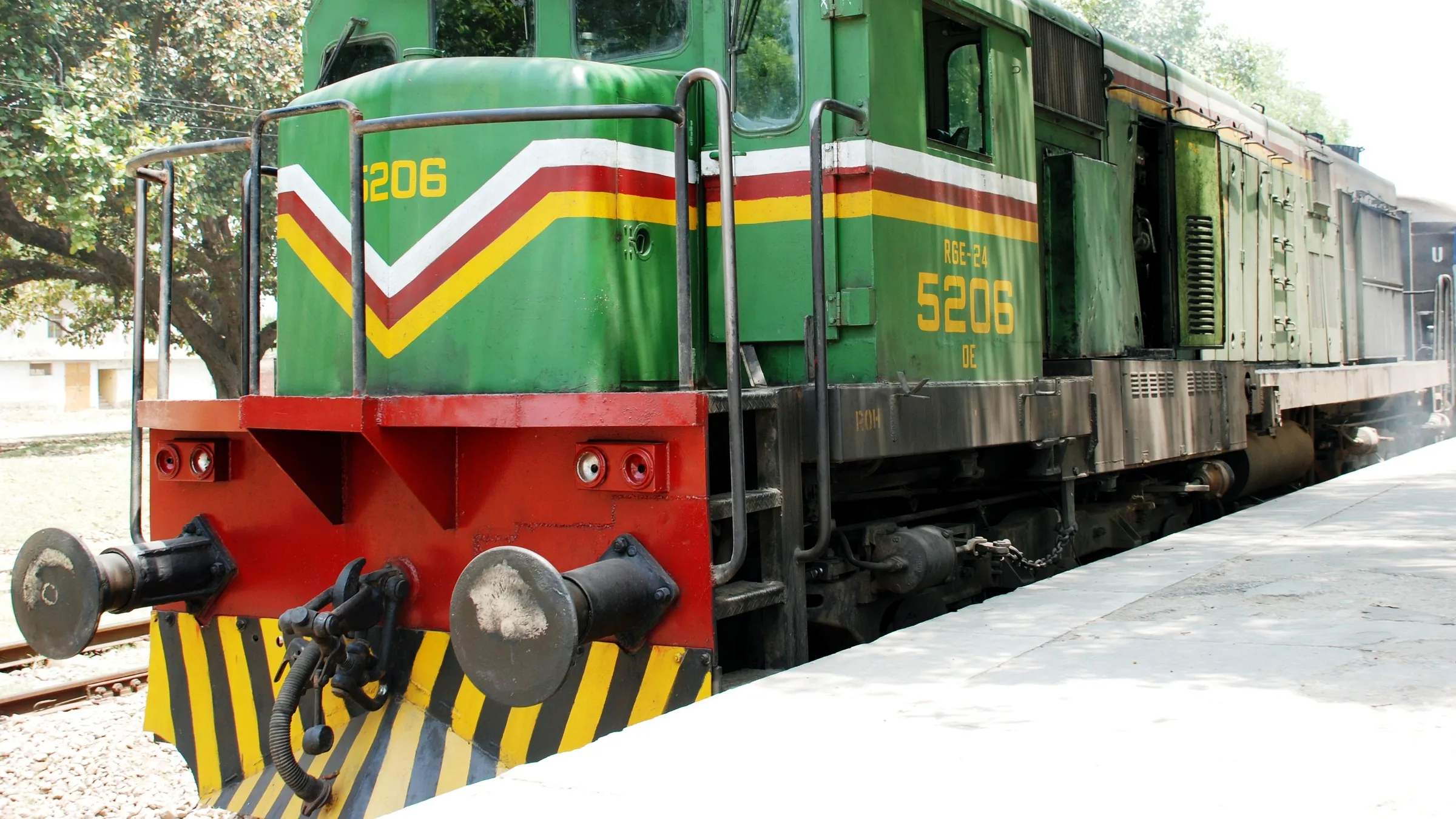
Pakistan Railways (PR) has imposed an emergency across the department for three months on the instructions of Railways Minister Hanif Abbasi, to ensure safe train operations, The Express Tribune reported on Saturday, citing a statement from PR headquarters in Lahore.
What the emergency involves
The statement said all leave for field officers had been cancelled for three months. Under the new instructions:
- Officers must visit the field and supervise train operations on Sundays.
- Railway officers must travel by train when they go to other cities on official duty.
- Chief engineers of the civil and mechanical departments must submit daily reports to the ministry on their areas of responsibility.
- The head of safety has also been asked for daily reports.
“We will provide passengers with the safest possible travel in line with the prime minister’s vision,” Abbasi said.
On October 17, the minister visited the Steel and Carriage Shops in Mughalpura, Lahore, where he inspected production facilities and told officials to ensure quality standards in the manufacture of railway components. At the Mughalpura Steel Shop he inspected the electric arc furnace and reviewed the spectro laboratory that tests parts made in the furnace.
More than 55 accidents this year
The railways recorded more than 55 accidents involving passenger and freight trains between January 1 and now, the Tribune said, citing railway sources. The accidents have reportedly left several people dead and dozens injured, and caused damage worth millions of rupees to railway infrastructure. The Sukkur, Karachi and Multan divisions have had the most accidents, and the Yusufwala coal train has been involved in several of them.
The paper said that despite the minister’s strict instructions, accidents have continued while railway officials have kept giving reassuring assessments. Repeated incidents have made some passengers afraid, though some of them say that they have no option but to travel by train as it remains an essential means of transport for them.
Among the incidents listed were:
- August 27: 10 wagons of a freight train derailed near Khanpur. On the same day the engine and two coaches of the Rawal Express went off the tracks near Kala Gujran.
- September 2: the power van of the Khyber Mail derailed near Sanjani.
- September 6: seven wagons of a coal train went off the tracks.
- September 9: three wagons of a coal-laden freight train derailed at Kotri yard.
- September 27: the Yusufwala coal train met with an accident near Khairpur.
- May 24: a shuttle train in Quetta was targeted in an act of sabotage that damaged three coaches. The Rahman Baba Express also had a major accident in the Multan division.
Questions about maintenance
The Tribune said the frequency of accidents has raised questions about safety measures, maintenance standards and the effectiveness of steps announced to prevent mishaps. It said the recurring incidents have put the department’s safety and maintenance arrangements under scrutiny.
Railway land and its management have also been in the news this month. Read our report on NAB’s request on its graft case threshold and railways land recovery.
Why it matters
An emergency of this kind sends officers back to the tracks for three months, which could expose weak points in track and rolling-stock maintenance. But the measures announced so far concern supervision and reporting rather than spending on tracks, signals or wagons, and the department has not said what changes will follow if the daily reports show problems. The next three months will show whether the number of derailments falls. For passengers who depend on trains, that is the test of whether the emergency makes the railway safer.
This article draws on reporting by The Express Tribune.

Comments
Comments are reviewed by our editors before they appear. Please keep them civil and on topic. See our terms.
No comments yet. Be the first to share your view.