
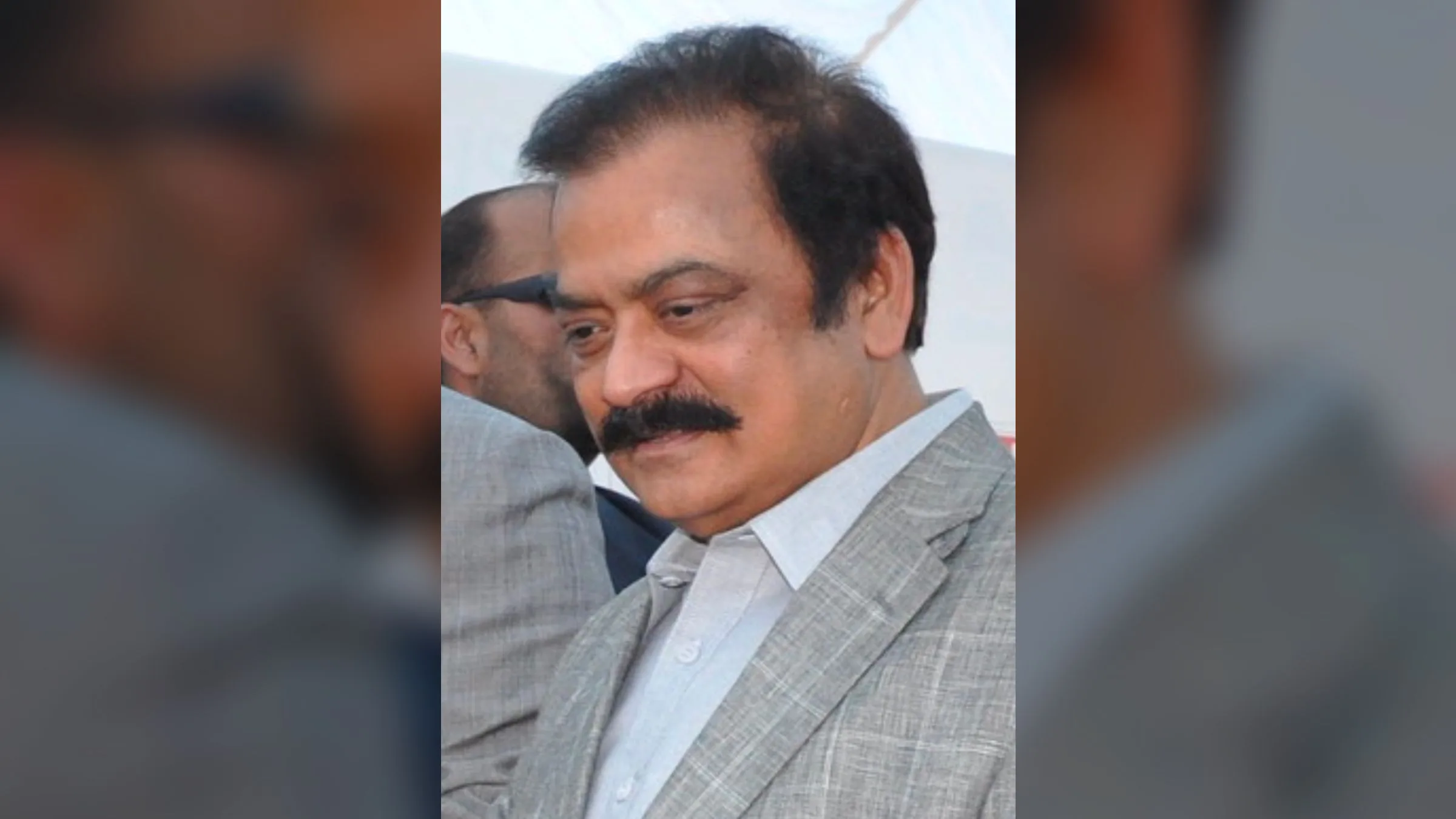
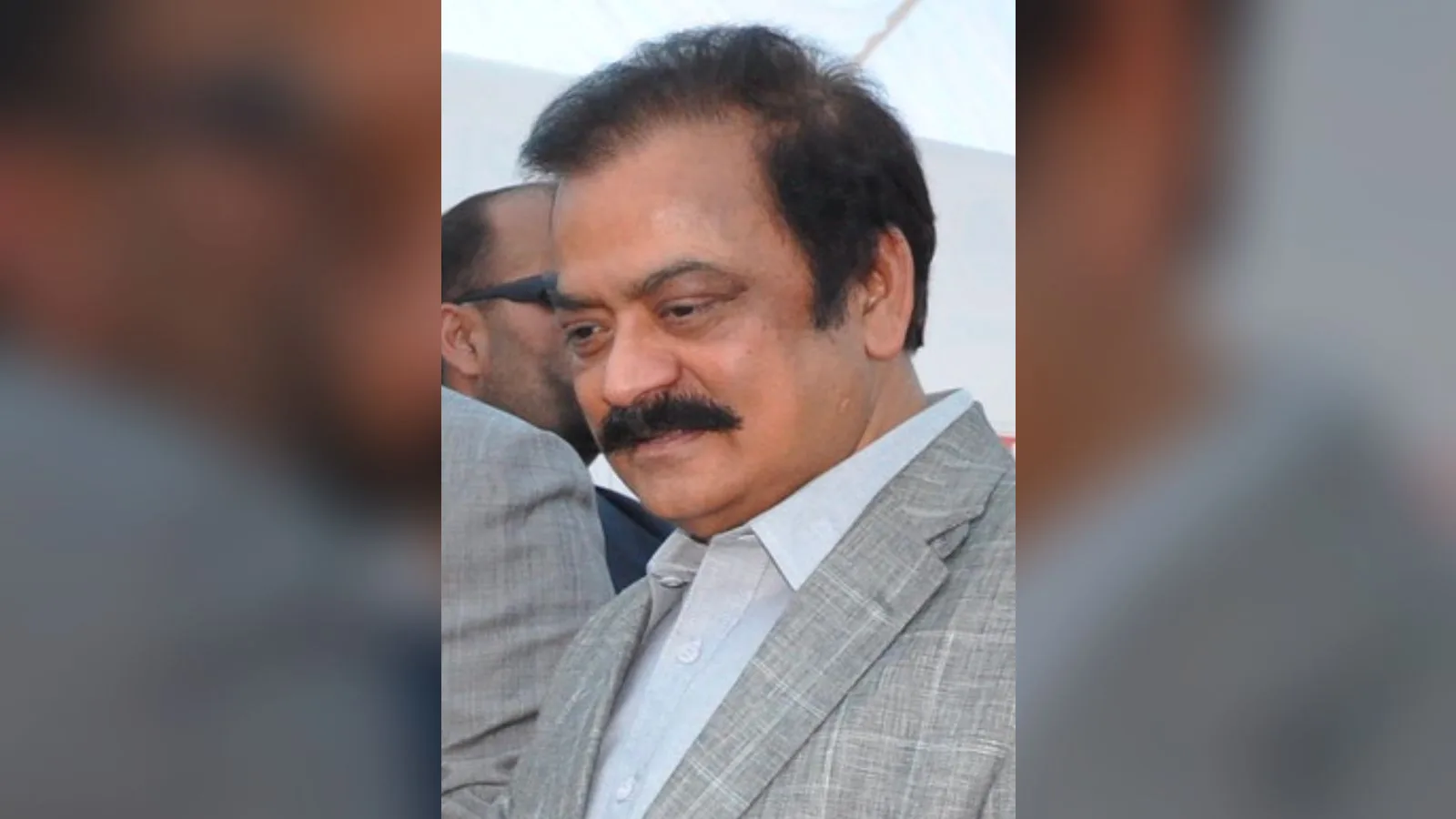
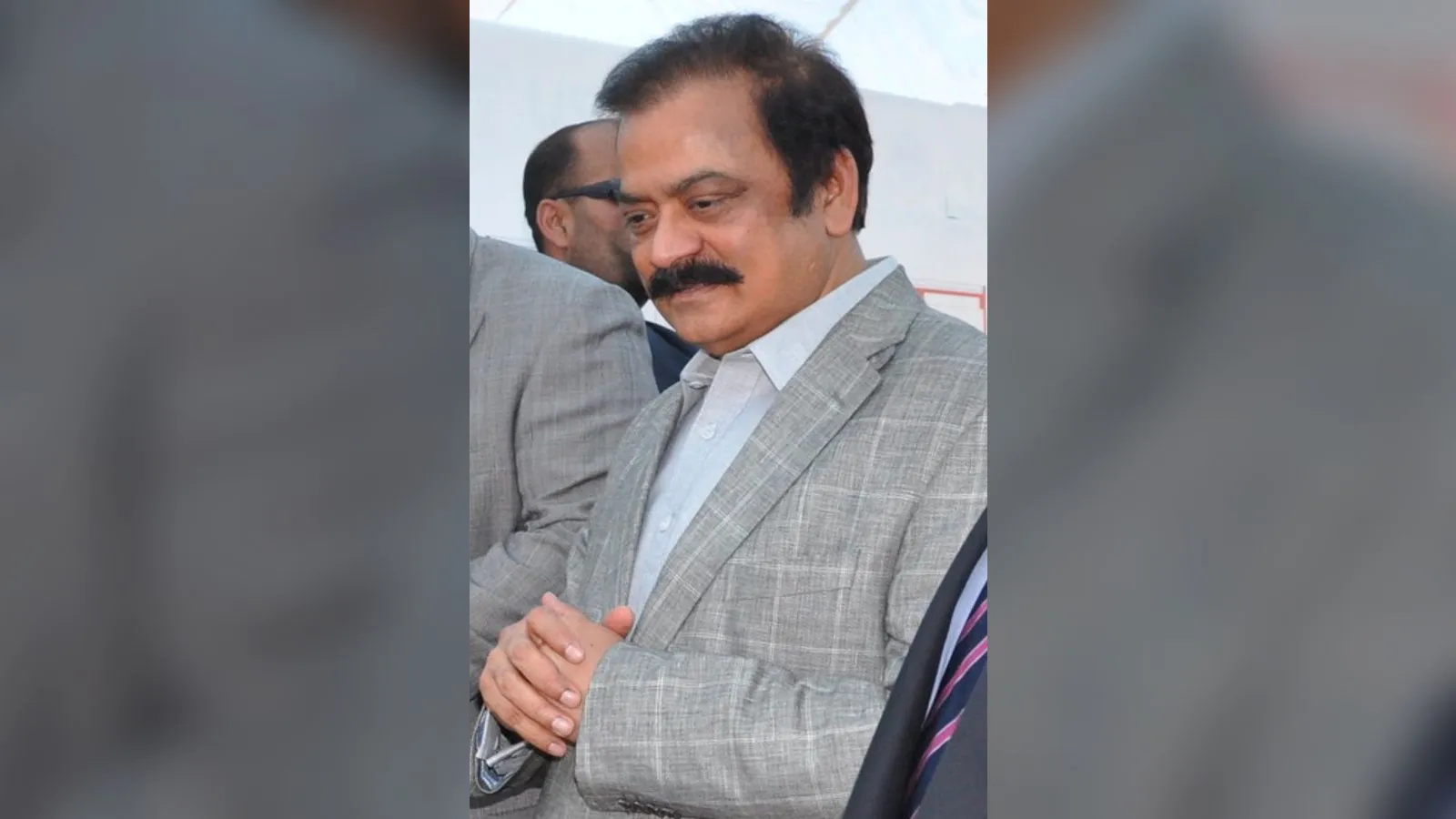
Prime Minister’s Adviser on Political Affairs Rana Sanaullah has warned of a risk of “collateral damage” during ongoing counterterrorism operations in Khyber Pakhtunkhwa (KP) if residents neither remove terrorists from populated areas nor move aside for security forces, Geo News reported.
Speaking on Geo News’ programme “Naya Pakistan”, Sanaullah said intelligence agencies knew the number and locations of the terrorists and that their intelligence work was “perfect”, with intelligence-based operations being conducted in sensitive areas.
What he said about the operations
Sanaullah claimed that terrorists operated in formations of at least three and up to 15 people, and that 70 per cent of such groups were in the sensitive areas. “These terrorists are mixed in with the populations there or are living among them,” he said.
He said residents of those areas had been asked to remove the terrorists from populated areas. “If the residents do not want to remove them, they should move aside so that the operation can be conducted,” he said. “If neither of these two options is possible, then there will be a risk of collateral damage.”
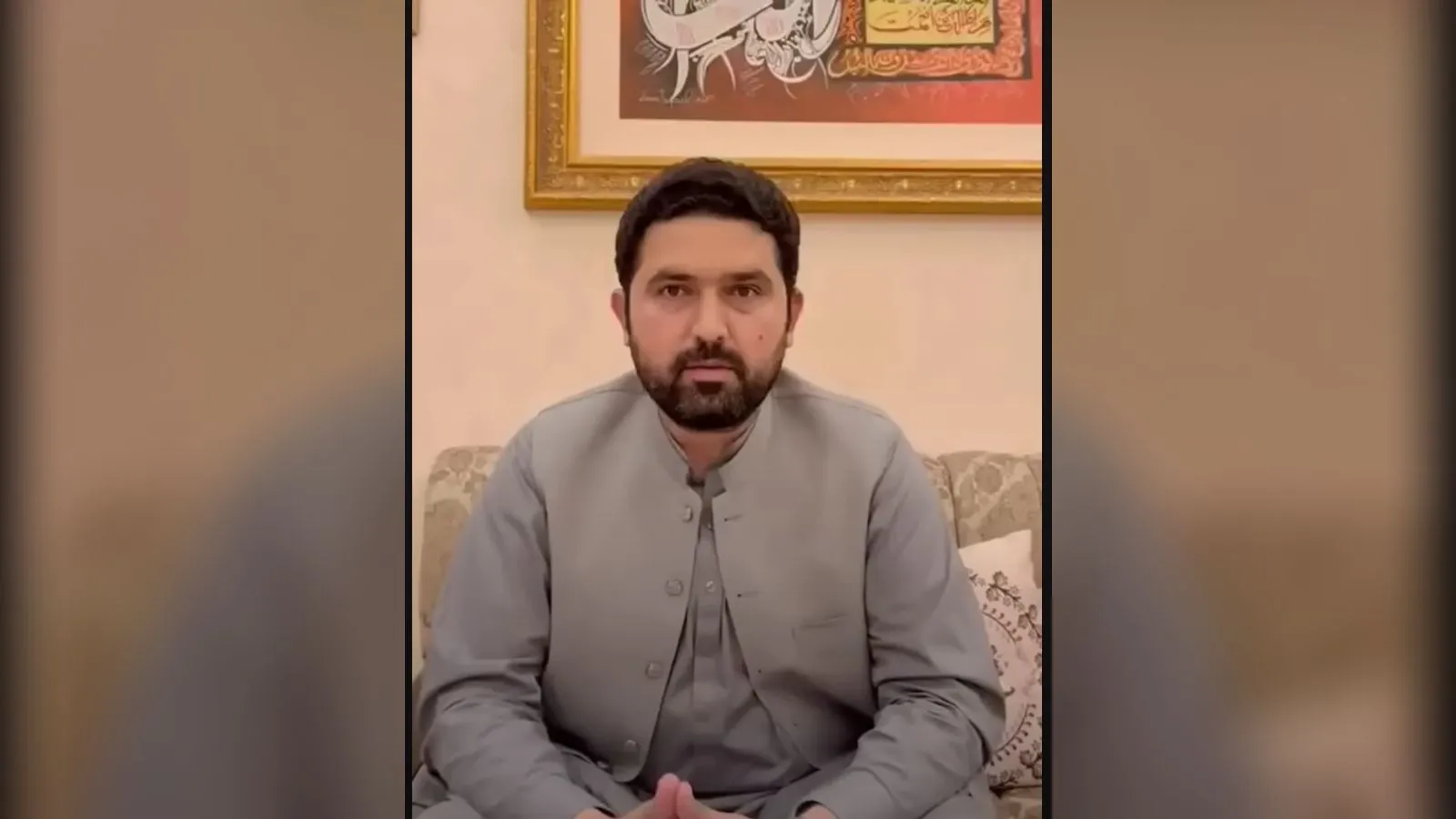
He alleged that the now dysfunctional government of Sohail Afridi had discouraged people from cooperating with law enforcement agencies. KP was now being run by a setup headed by the governor, he said, and eliminating terrorists was an achievable objective if the current administration cooperated fully. “The priority objective of the current setup in Khyber Pakhtunkhwa is the elimination of terrorism,” he said, and he claimed that terrorism in the province would be eliminated within “weeks and months” and would not take much longer. Once that was done, KP could return to normal conditions, he said. He added that the government expected the PTI to cooperate in the fight against terrorism.
On talks with the opposition
Sanaullah said the government was ready to meet the opposition leader and hold talks at the Prime Minister House. “If the opposition leader comes to the Prime Minister House, we will make him sit there and offer him tea,” he said. Of Mahmood Khan Achakzai, the head of the Tehreek Tahaffuz-e-Ayeen-e-Pakistan, he said “we respect Mahmood Achakzai” and called him “our brother” who had supported the party greatly in the past, adding that his insistence on a personal invitation did not suit a leader of his stature. Read our earlier report on Sanaullah’s comments and the opposition’s call for an invitation.
How the emergency came about
President Asif Ali Zardari imposed an emergency and governor’s rule in KP on October 11, effectively sidelining the PTI-led provincial government amid what was described as a “deteriorating” law and order situation. The president approved and signed the summary on Prime Minister Shehbaz Sharif’s advice under Articles 232 and 234 of the Constitution, following recommendations from the federal cabinet.
The proclamation cited a surge in terrorist attacks and extremist activities, including attacks on infrastructure, government installations and law enforcement agencies. It also accused the provincial government of failing to show the “ownership, will and intent” needed to tackle terrorism and lawlessness.
On Thursday, Prime Minister Shehbaz said that imposing the emergency and governor’s rule had been done “under extreme compulsion”. He criticised the PTI over the worsening security situation, saying the province had become a “cradle of peace” six years ago. “I promise that, with the cooperation of the field marshal, we will bring back happiness to this province,” he said, adding that KP would receive development at par with other provinces. Read our report on Field Marshal Munir’s visit to Peshawar Corps Headquarters.
Why it matters
Sanaullah’s remarks set out the government’s thinking: that terrorists blend into communities, that residents have a responsibility to act, and that operations will go on even at the risk of civilian harm. Warnings about “collateral damage” raise the question of what protections civilians in the affected areas will have. The government’s own deadline of “weeks and months” will be tested against the province’s security figures, and against whether talks with the opposition ever begin.
This article draws on reporting by Geo News.
Comments
Comments are reviewed by our editors before they appear. Please keep them civil and on topic. See our terms.
No comments yet. Be the first to share your view.