
The Sindh government has written to the Inter-Services Intelligence (ISI), the Intelligence Bureau (IB), the National Cyber Crime Investigation Agency (NCCIA) and the Sindh Rangers asking them to nominate members to a joint investigation team (JIT) that will probe the murder of Mir Raza Ali, Dawn reported on Saturday, citing the letters.
What the letters ask
The letters, dated October 23 and sent through the Sindh Home Department, asked each agency to nominate a senior officer, not below the rank of BS-18, to serve on the JIT headed by West Deputy Inspector General of Police (DIG) Irfan Baloch. The agencies were asked to nominate their representatives within seven days so the team can begin its work.
The letter to the NCCIA specifically sought a senior official with “expertise in digital forensics”, as the investigation involves the analysis of mobile phones, an Apple Watch, iCloud, social media and cryptocurrency records from Binance, Dawn said.
The home department also wrote to the Sindh inspector general of police (IGP), asking him to take action against police officials whom the judicial commission found guilty of negligence.
The case
Mir Raza Ali, a 25-year-old businessman, went missing on July 28 after leaving his home in PECHS in Karachi. His body, with a gunshot wound, was found in bushes in Gulistan-i-Jauhar the next day.
In its 62-page report, submitted to the government on October 15, a single-member commission headed by Sindh High Court judge Justice Omar Sial recommended a JIT, calling it the “most viable path” to limit the continuing reputational damage to the Sindh government. It said senior representatives of the ISI, IB, Sindh Rangers and NCCIA should be integrated into the team “to ensure an impartial, comprehensive and credible resolution”.
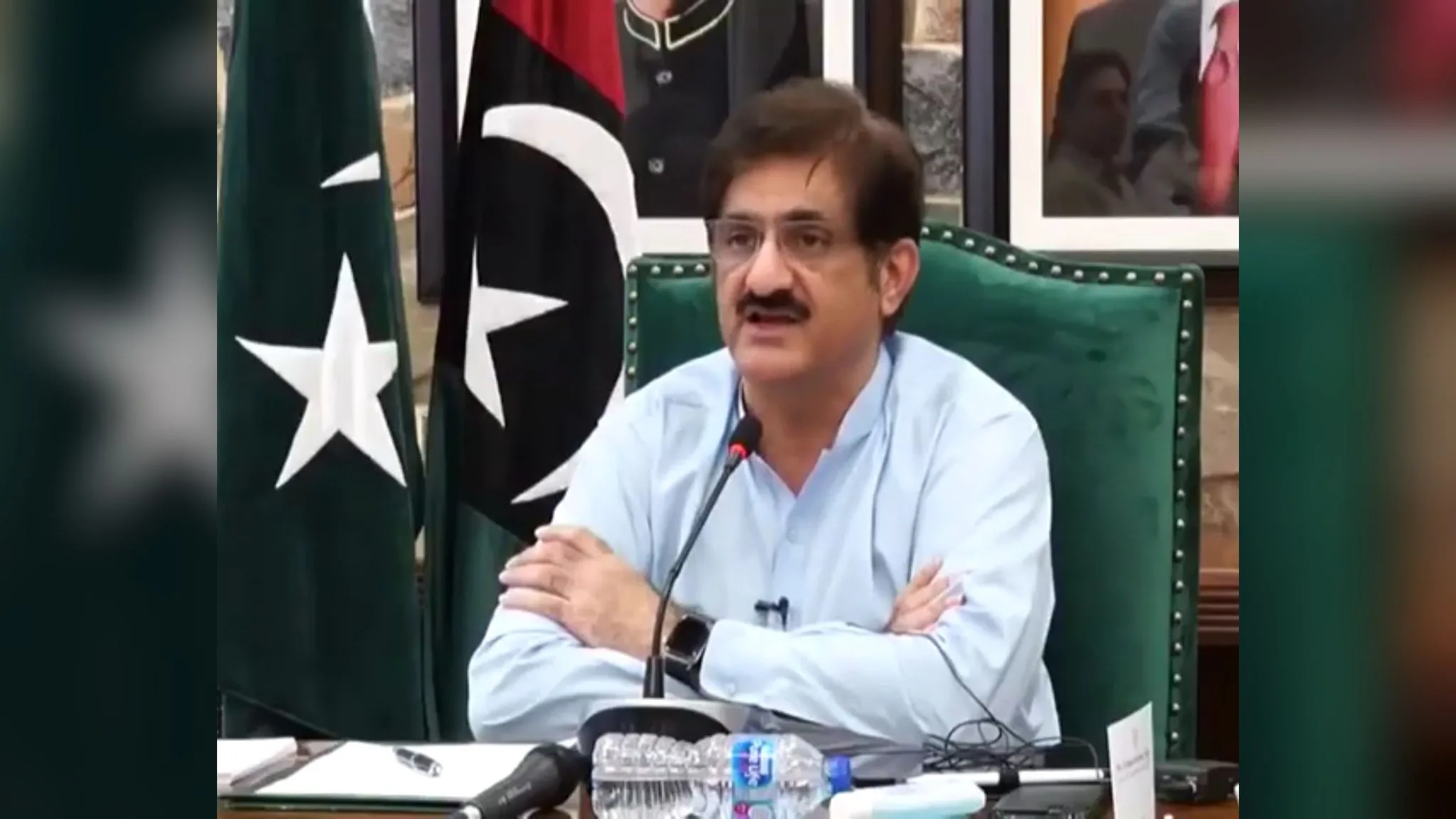
Sindh Home Minister Zia-ul-Hasan Lanjar said on Thursday that the JIT would be formed under DIG Baloch and that the summary had gone to the chief minister. Read our report on the home minister’s announcement.
The commission’s criticism of the police
“This case demonstrates an epic failure by the police in their investigation,” the report said. “The police breached all required procedures, both knowingly and unknowingly, necessary to withstand judicial scrutiny and a successful prosecution.” The commission said the investigation “failed in its most basic duty: to establish the truth”, and that an active cover-up in the early stages could not be conclusively ruled out. Senior officers, it said, swept investigative lapses under the carpet without acknowledging or addressing them.
It said dozens of police officers, authorised and unauthorised, had been involved in collecting evidence, approaching and questioning key people and, in most cases, not documenting any of it, so that no officer was willing to take responsibility.
The panel identified “criminal negligence” by Station House Officer Adeel Afzal of Ferozabad police station and by Sub-Inspector Shabbir Leghari, the first investigating officer, and called for disciplinary proceedings and suspension of Leghari.
Action on the doctor and the police
The commission described the “extreme immaturity” and “childish behaviour” of medico-legal officer Dr Osama Sheikh, who carried out the first medico-legal examination, whose findings were later shown to be wrong after a second autopsy. It said he should not be given medico-legal duties without at least two years of rigorous training. Under a decision conveyed to the Sindh health secretary, Dr Sheikh will be suspended, proceeded against under the Efficiency and Discipline rules, and sent for training.
Because the commission had no investigative powers and could not decide conclusively whether a cover-up occurred, it recommended a high-level committee, preferably led by the Federal Investigation Agency (FIA), to start criminal proceedings against any police officials found at fault. The Sindh government wrote to the Interior Ministry asking the FIA to nominate a senior officer, not below BS-20, to head such a committee, with DIG Baloch and Special Branch DIG Naeem Ahmed Sheikh as members. A one-member committee of Additional IGP Counterterrorism Department Zulfiqar Ali Larik was notified to examine each police officer named in the report, with DIG Baloch assisting.
Why it matters
The agencies have seven days to reply, which means the JIT can only begin work after about October 30 if they use the full period. The make-up of the team, especially whether the ISI, IB and Rangers send officers as the commission advised, will show how far the case will be taken, and the digital forensics work on the victim’s phone, watch and cloud accounts could be central to any charge sheet. For the family, the question is whether the new team can fix what the commission called an epic failure.
This article draws on reporting by Dawn, The Express Tribune and Geo News.
Comments
Comments are reviewed by our editors before they appear. Please keep them civil and on topic. See our terms.
No comments yet. Be the first to share your view.