

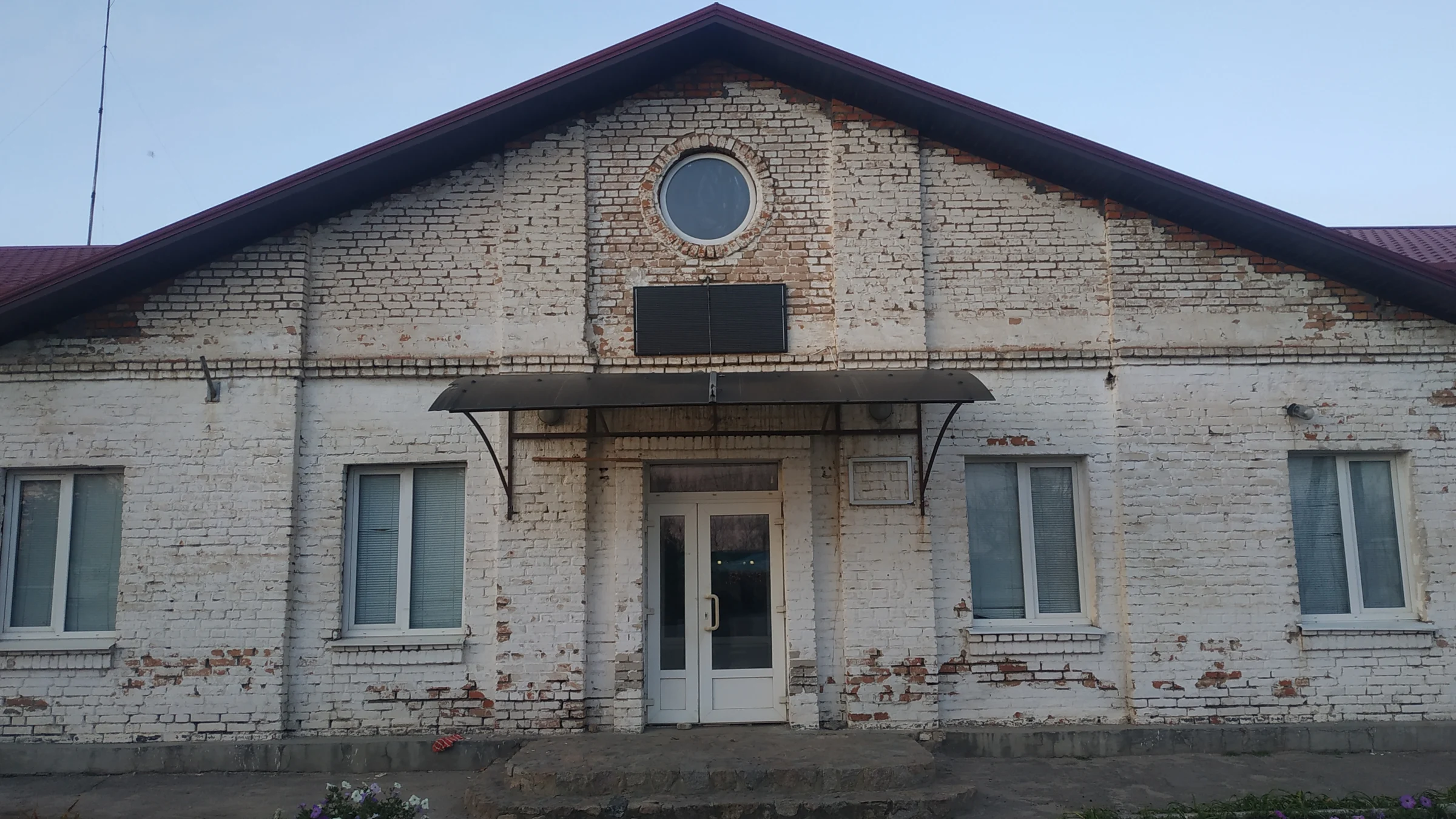
At least 29 people were killed after Russian aerial bombs hit an aid distribution centre in the southern Ukrainian village of Komyshuvakha, in an attack President Volodymyr Zelensky called “utterly horrific”, the BBC reported.
Another 10 people were injured and 48 were reported missing after at least nine 3,000kg bombs hit the village in the Zaporizhzhia region, regional head Mykhailo Semikin said. A day of mourning was declared across the region on Tuesday.
What officials say happened
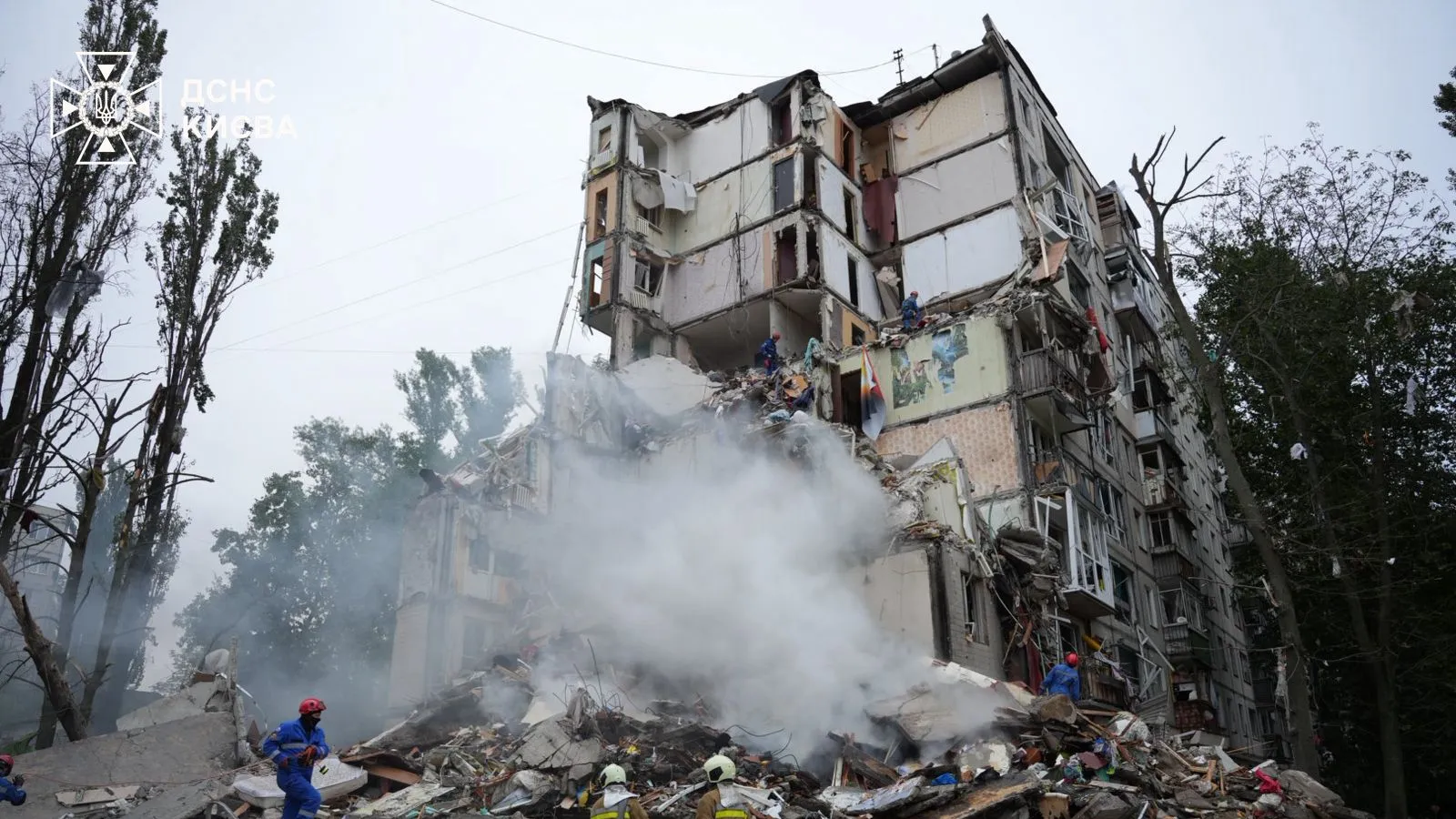
Zelensky said that after the first strike on a local school “used for humanitarian needs”, there was a second attack on the place where people were sheltering. He posted video of a huge crater left by Monday’s attack, with rescuers searching the rubble.
The toll rose through the day. Zelensky first put the number of dead at 18. Ukraine’s State Emergency Service later confirmed 24 deaths, including two rescuers and four police officers, and Zelensky said late on Monday that 26 were known to have died. By Tuesday Semikin gave the toll as 29, and Zelensky’s own account that morning also said 29, though he gave the number of injured as five, against the 10 reported by Semikin. The figures differ between officials, which is common in the first days after a mass-casualty strike, and the missing could raise the total.
“The scale of the tragedy is horrific,” Semikin wrote on Telegram. He said search and rescue was still going on but that teams had been forced to halt work several times because of Russian drone attacks in the area. Zelensky warned of the threat of “double-tap” strikes on rescuers.
“Russia is counting on further killings”
“The Russians could not have been unaware that the local residents who remained in Komyshuvakha received humanitarian aid there every week,” Zelensky said. “This is yet another proof that Russia does not want any de-escalation.”
He linked the attack to the diplomatic moment. After a recent joint Russian-Ukrainian operation to evacuate civilians from the Russian-occupied city of Oleshky during a temporary ceasefire brokered by US First Lady Melania Trump, “there was a moment when the next steps could show that peace is possible”. “With such killings, Russia is sending the exact opposite signal,” he said. We covered that pause in our report on the Oleshky ceasefire and its end in our story on the end of the Kherson truce.
The reports available to us carry no Russian response to the claim that the target was an aid distribution point. The claims about the target and the toll come from Ukrainian officials and have not been independently verified in the reports we have seen.
The war’s wider picture
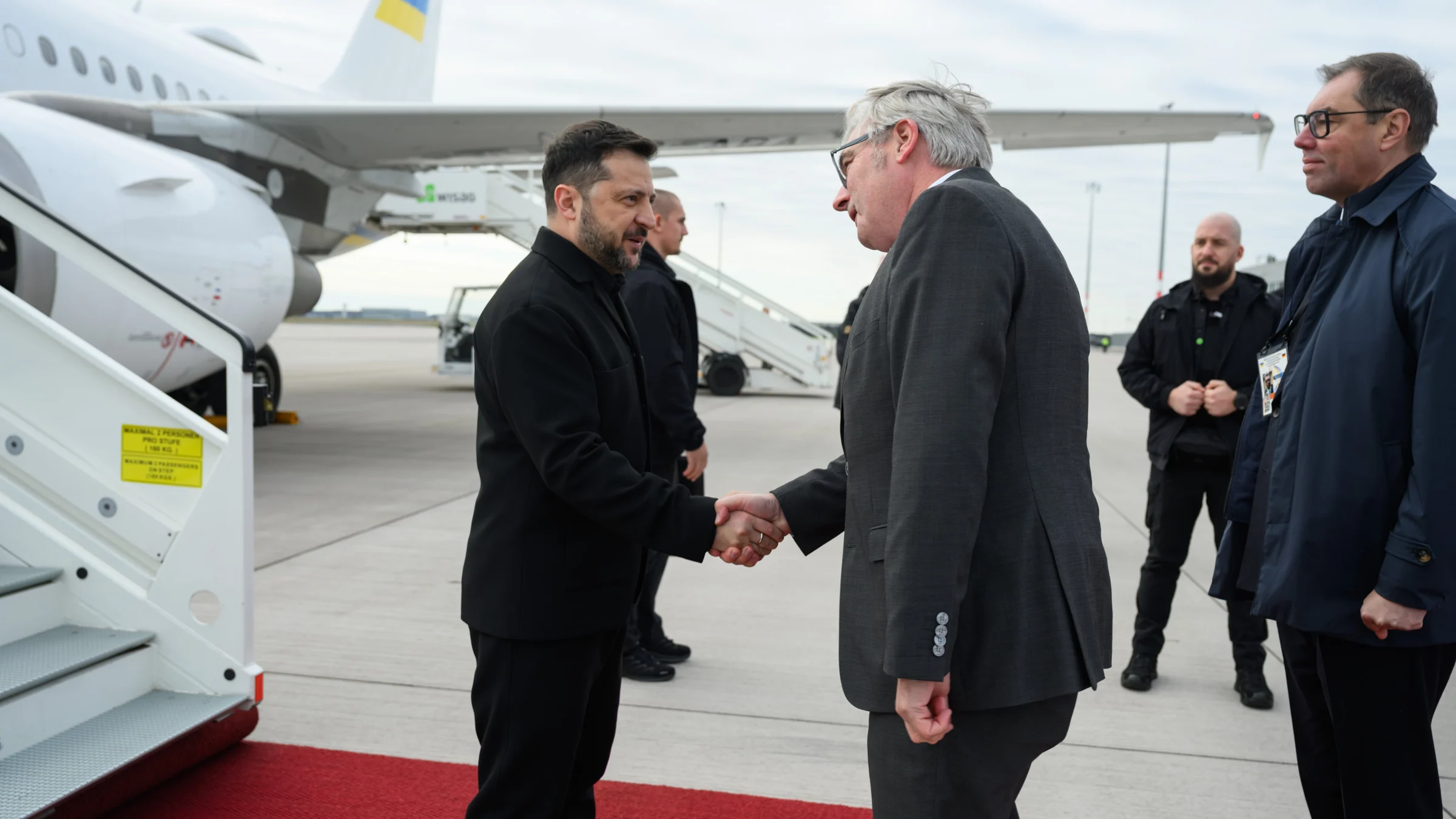
Russia launched its full-scale invasion in February 2022. The attack came as the US prepares to bring Russian and Ukrainian delegations together in Abu Dhabi on November 10 and 11, and as Zelensky travels to Berlin for talks on air defence and support for Ukraine’s energy system. Zelensky said overnight Russia also launched a large combined strike on Ukrainian energy sites, and the killing in Komyshuvakha, he said, was happening “on the day of the US congressional elections”, a signal Moscow thought America would not notice.
What we know, and what we don’t
- Known: at least 29 people have been confirmed dead, according to Ukrainian officials, and rescuers are still searching.
- Known: officials say the target was a village school used to distribute humanitarian aid, and that a second strike followed.
- Unknown: the final death toll, since 48 people are reported missing, and the exact number of injured, which officials give differently.
- Unknown: what Russia says it was targeting, and whether independent investigators will examine the site.
Why it matters
Aid distribution points are protected under the laws of war when they serve civilians. If the officials’ account is borne out, the attack is likely to be examined as a possible violation, and it will weigh on the Abu Dhabi talks, where Kyiv will argue that Moscow’s actions show it is not serious about de-escalation. For the people of Komyshuvakha, the immediate question is whether those still under the rubble can be reached.
This article draws on reporting by BBC News and Ukraine’s President’s Office.
Comments
Comments are reviewed by our editors before they appear. Please keep them civil and on topic. See our terms.
No comments yet. Be the first to share your view.