

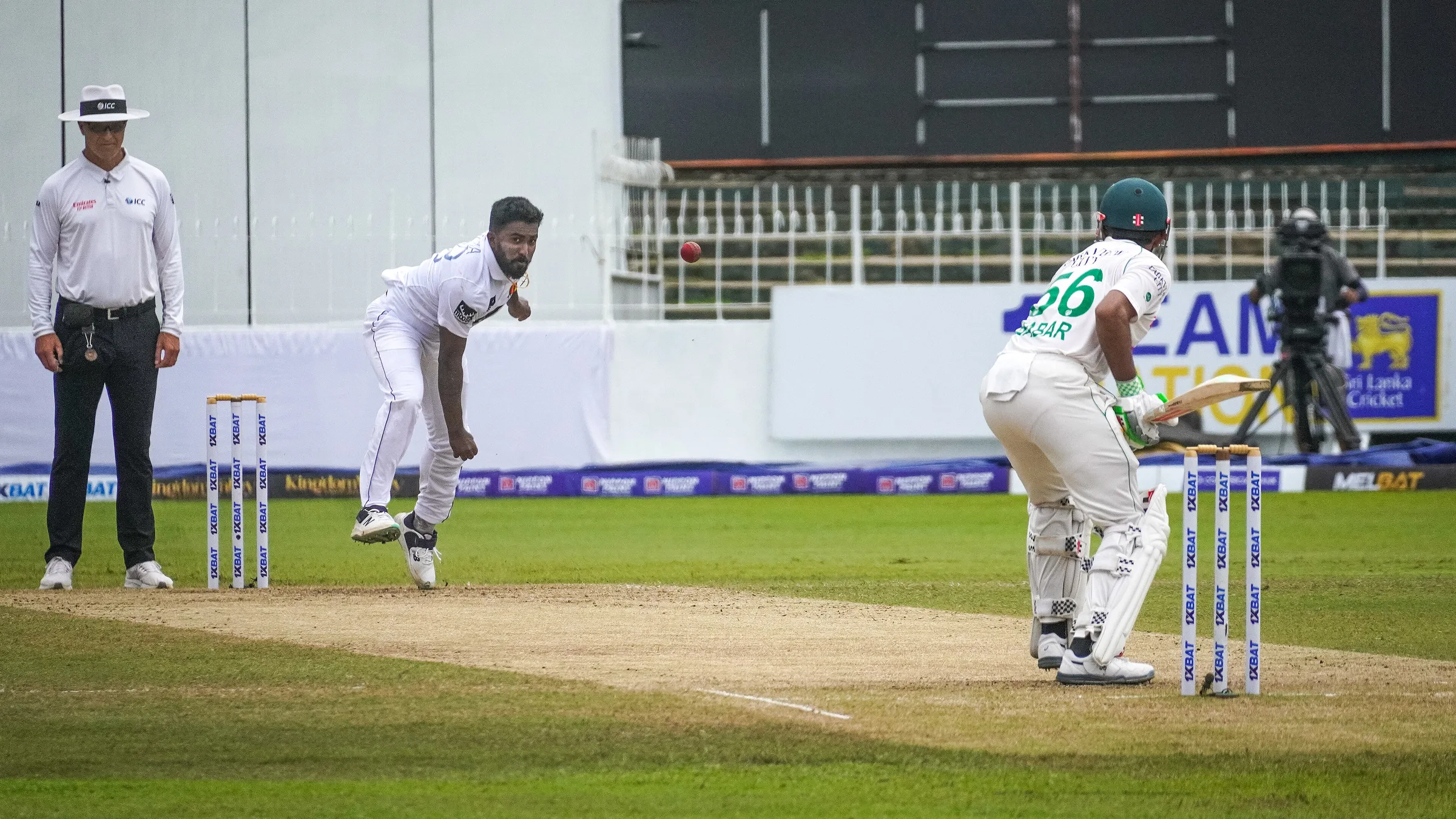
Pakistan’s batting coach, Mike Smith, has defended Babar Azam and Fakhar Zaman after a batting collapse against Sri Lanka, saying he has “zero doubt” both will score big in the tri-series final. Dawn reported his comments from the press conference after Tuesday’s defeat in Lahore, where Pakistan were bowled out for 110.
“The hardest part is getting in”
Smith was asked whether Babar’s failure to turn starts into big scores worries him. “Definitely not,” he said. “The hardest part of cricket is getting yourself in, and Babar’s doing that incredibly easily at times.” He added: “If he had turned one of those starts into a big score, no one’s saying a thing. That’s international cricket. That’s the top-end sport. You can’t perform at the highest level every single time.” Of the former captain’s next innings he said: “We have zero doubt he’ll be going big, and when he does go big, it’ll be great to watch.”
On Fakhar, who has struggled to give Pakistan the starts expected of an opener, Smith called him “a world-class player” and said every player goes through a lean period. “He’s got a good conversion rate as an opening batter, and when he gets in he is dynamic and impactful and he dominates games,” he said. “So we’re hoping to see that in the final.”
“About 70 per cent”
Smith did not hide the weaknesses. Pakistan had won their first three tri-series matches before Tuesday’s heavy defeat, which Dawn said exposed “familiar weaknesses at the top of the order”. “We’re probably batting, as a collective, at about 70 per cent of where we need to be,” Smith said. “And that’s a real positive as well.”
He described what went wrong in simple terms. “A couple of soft shots, some good piece of bowling, and we just didn’t really get any sort of momentum in the game, and it’s quite a tough thing to pull back,” he said. He rejected the idea that the Lahore pitch was to blame. “I’m not blaming the pitches, not the pitches’ fault. I think all the teams here are asking their batting groups to be adaptable and to adjust when they have to in certain situations. And we haven’t really done it as well as we wanted to.”
The middle order’s job
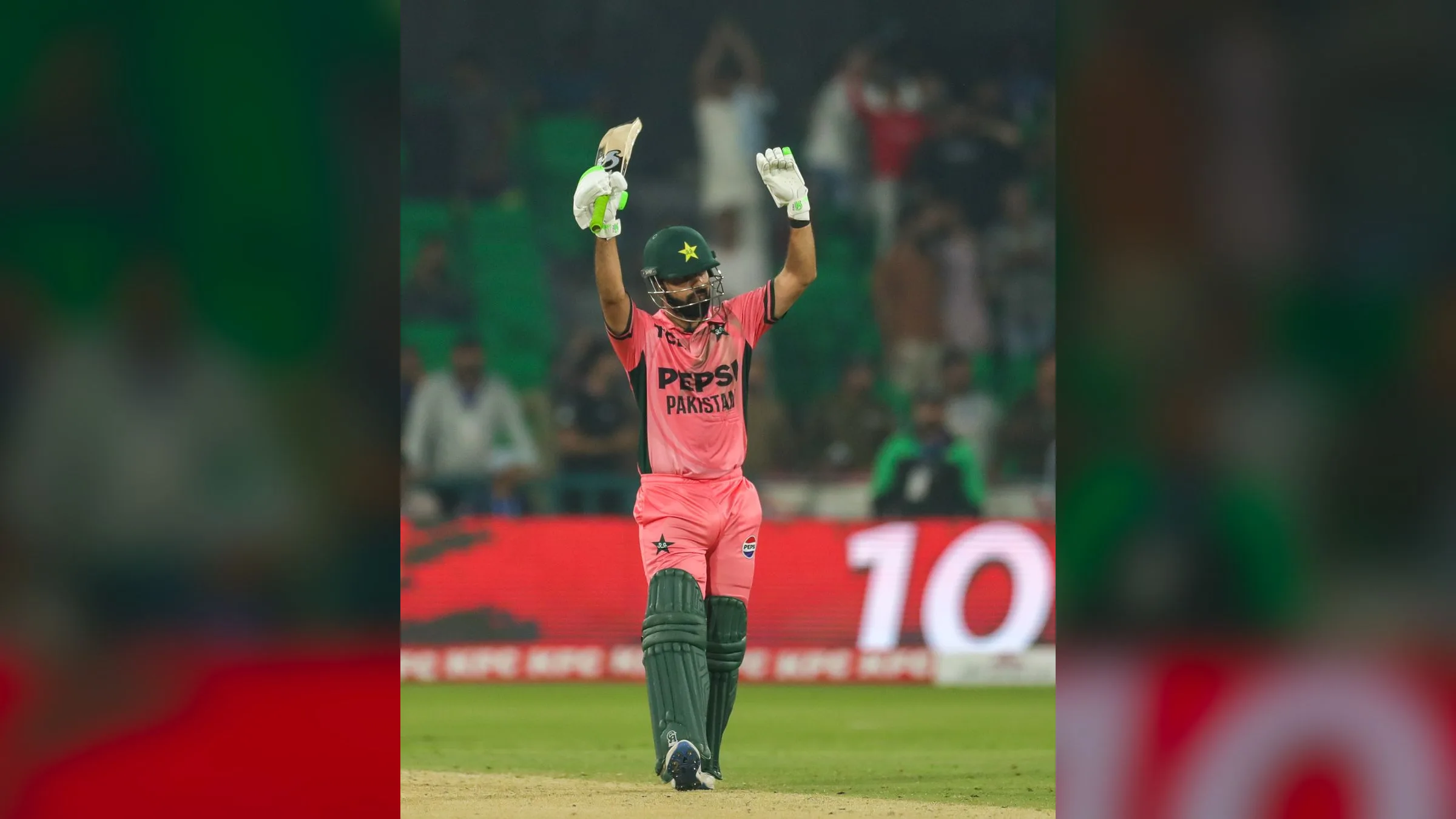
Smith pointed to a pattern that has worked for Pakistan so far. When the top order has not scored, the middle order has often made up for it. The one-wicket win over England is an example in spirit, since Shadab Khan’s unbeaten century rescued an innings after the top order fell away. Read our report on Shadab’s innings. “When the top order fire, and they will fire, that’s a dangerous place to be for the Pakistan batting unit,” he said.
He said Tuesday’s result would not count in the final, where handling pressure would decide the outcome. Pakistan have already qualified, and Smith asked for a sense of proportion: “Let’s not take away from the fact that we’ve played some really good cricket and we’ve won games where we shouldn’t have, and we’re in a really good place as a team and we’re playing in a final.”
A fair question
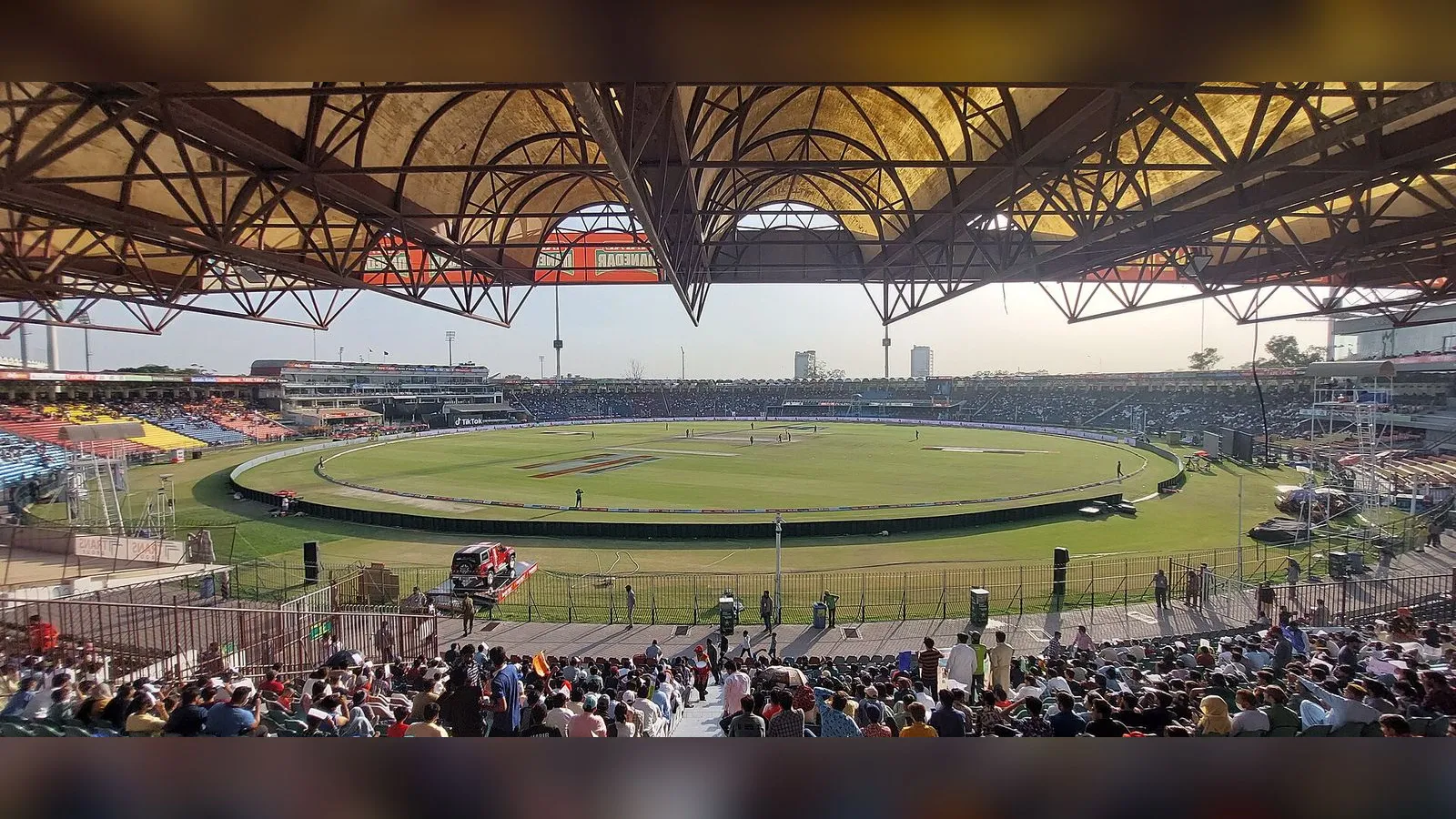
A coach’s job is to back his players in public, and Smith did that. The numbers will decide whether it was justified: Pakistan were out for 110 on Tuesday, and the reports we drew on do not give Babar’s and Fakhar’s scores in the tournament. Both are among the team’s most experienced batters, and the final against the same Sri Lankan side that beat them on Tuesday is the next chance for them to answer the doubts. Fans can read the rest of the build-up in our preview of the Pakistan v Sri Lanka match in Lahore.
This article draws on reporting by Dawn.
Comments
Comments are reviewed by our editors before they appear. Please keep them civil and on topic. See our terms.
No comments yet. Be the first to share your view.