

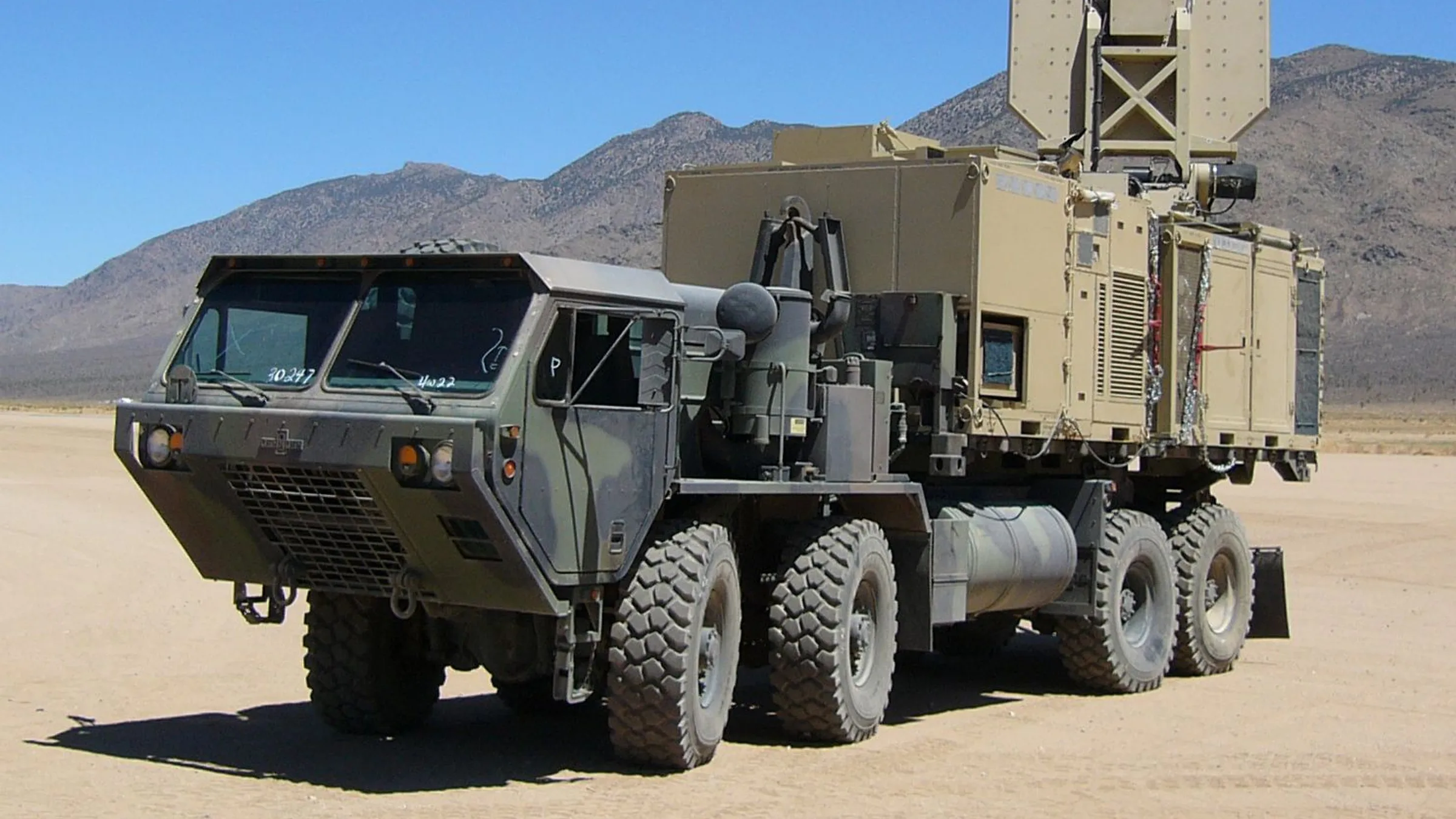
The Pentagon has approved lending a so-called heat ray weapon to the US Department of Homeland Security (DHS) for possible use at the US-Mexico border, CNN reported, raising concerns about how it could be used against migrants.
Defence Secretary Pete Hegseth approved the transfer of the weapon, officially known as the Active Denial System (ADS), in a memo signed last month, according to CNN. Geo News also reported the move.
What the weapon does
The ADS is a nonlethal weapon that fires an invisible beam of electromagnetic waves that can reach a little more than half a mile, according to the US military.
The beam heats the outer layer of the skin and causes an intense burning sensation. Pentagon officials have compared it to the blast of heat felt when opening a hot oven. Military officials say the “tingling effect” lasts between 10 and 15 minutes but also creates “an instinctive and irresistible urge to run from the effect”.
What the memo allows
- A loan, not a purchase: the memo authorises the “temporary loan” of one ADS unit for seven months, starting in September.
- No Pentagon operators: it says the system “shall not be operated by DoW (Department of War) personnel”, which appears to free the Pentagon of responsibility for how it is used.
- DHS in charge: DHS is solely responsible for “system employment, use and development of tactics, techniques and procedures”.
- Possible extension: at the end of seven months, DHS can ask to keep it longer, a defence official told CNN.
The approval does not mean the weapon has been used on migrants. DHS has not said where it will be tested or how it might be used.
“CBP is continually evaluating new technologies, especially those that enhance operational effectiveness and strengthen mission capabilities,” a Customs and Border Protection spokesperson told CNN.
A weapon never used in combat
The US military briefly sent the system to Afghanistan nearly two decades ago but decided not to use it in combat. It also considered using it for crowd control at overseas facilities holding terrorism detainees, but decided against that too, CNN reported.
US officials also considered deploying it during domestic unrest, including during the protests over the murder of George Floyd at the end of President Donald Trump’s first term, according to a former official.
In 2018, then Homeland Security Secretary Kirstjen Nielsen rejected a proposal to use it against migrants.
Drowning and sovereignty fears
Border officials have discussed using the system to disperse crowds in areas with many illegal crossings, but it has never been deployed. They ran into questions over legality, use of force, effectiveness and sovereignty, especially if it were fired at people on the Mexican side who had not yet crossed. The biggest concern was whether people could be harmed, directly or indirectly.
“Even if they’re chasing people back to the river, you don’t want them to go in and drown,” a former CBP official told CNN. “For the cost, for the training and for the policies you’re going to create, is the juice worth the squeeze?”
The El Centro sector, which covers about 70 miles of the border, evaluated the system several years ago when Rodney Scott, now the CBP commissioner, ran that sector, a CBP official said.
Comments
Comments are reviewed by our editors before they appear. Please keep them civil and on topic. See our terms.
No comments yet. Be the first to share your view.