

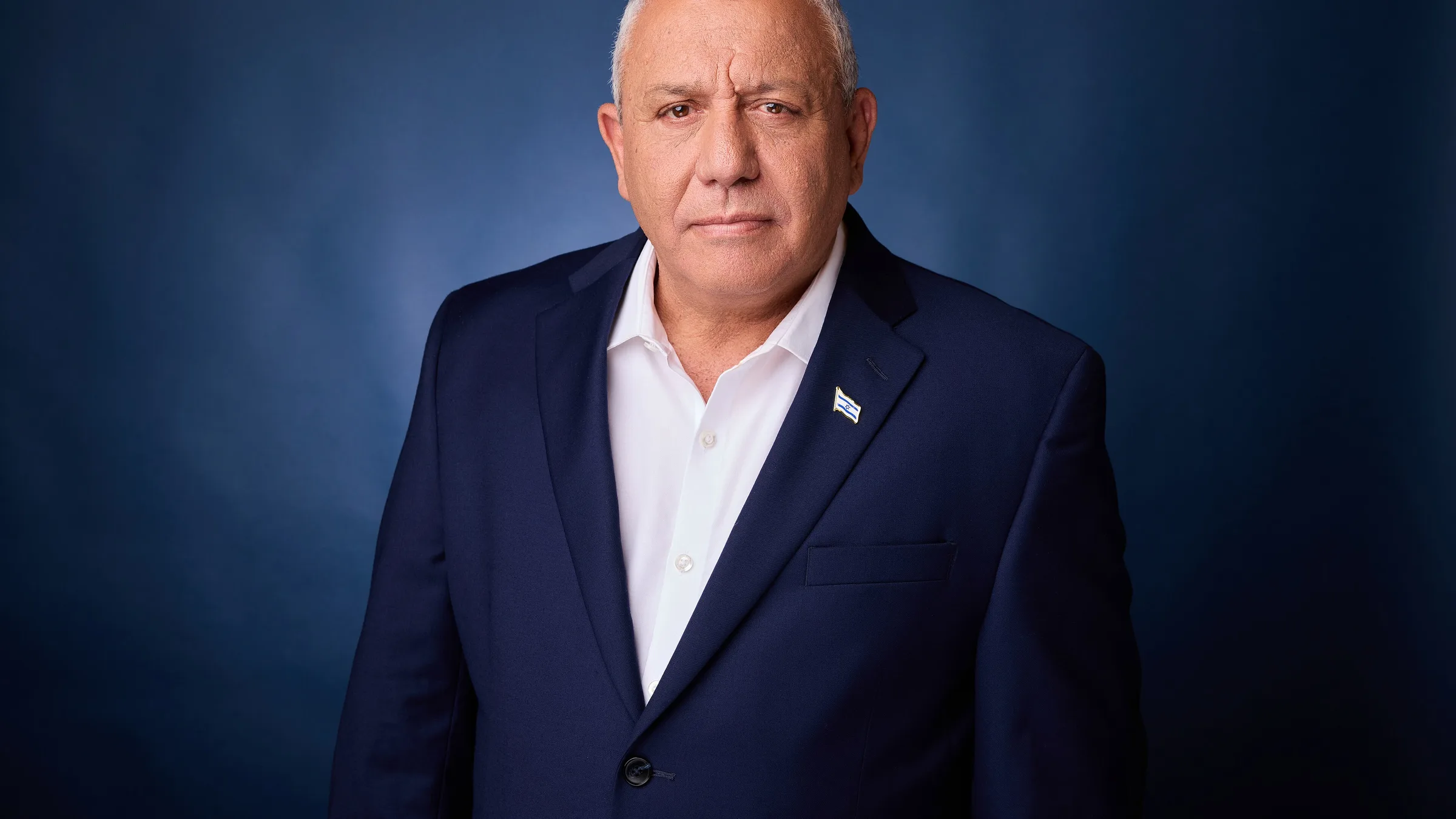
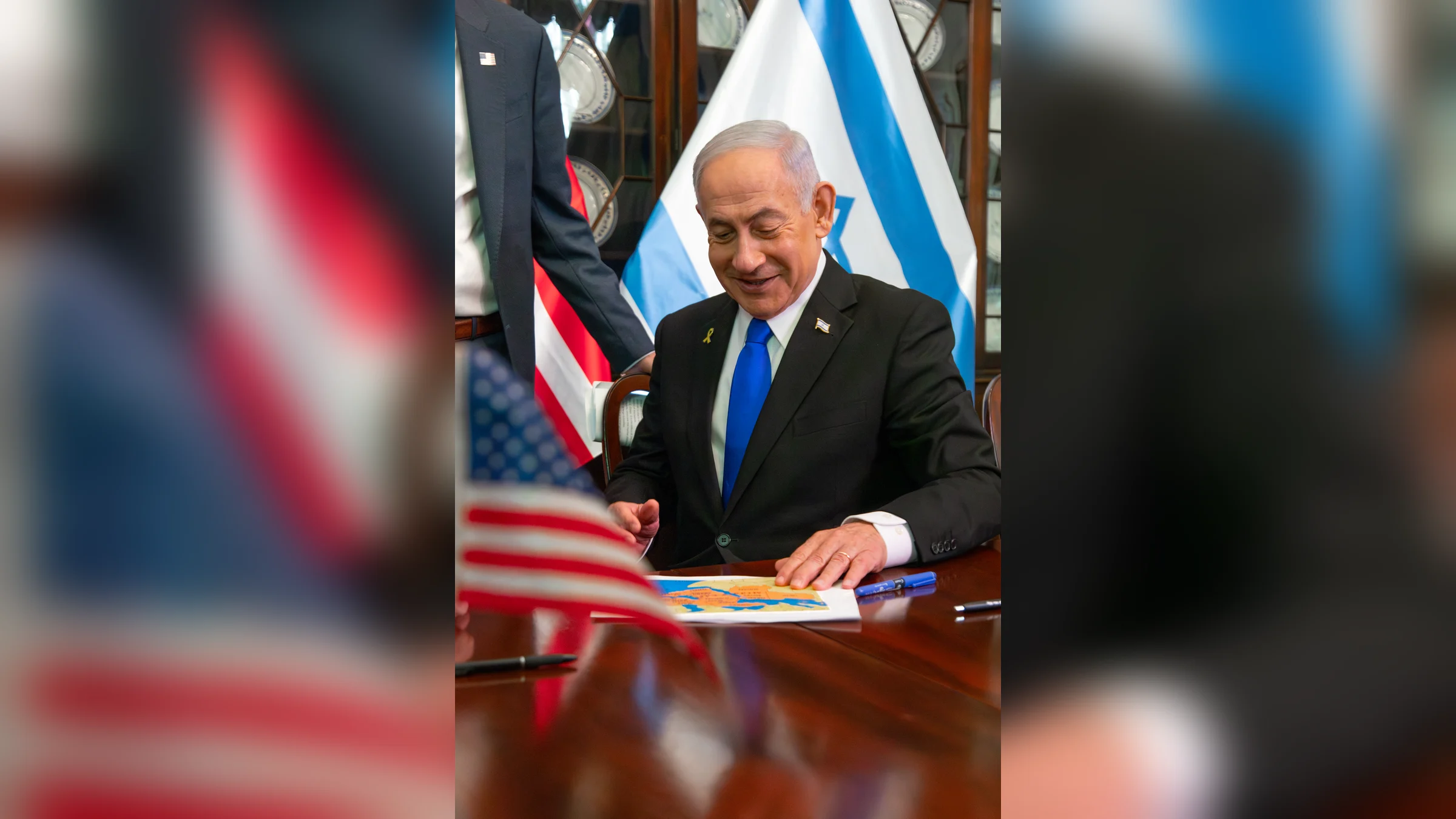
Israel’s first election since the October 7, 2023 attack has ended without a clear winner. Exit polls on Tuesday night left Prime Minister Benjamin Netanyahu’s bloc and former military chief Gadi Eisenkot’s opposition bloc level, and both men said on Wednesday they would form the next government, Dawn and The Express Tribune reported, citing AFP and Reuters.
The numbers
Exit polls on the Kan 11 and Channel 13 networks put both blocs on 51 seats in the 120-seat Knesset. Channel 12 gave Netanyahu’s Likud-led bloc a narrow 52-49 lead. Whichever poll is right, neither side comes close to the 61 seats needed to govern. Turnout was 77.7 per cent, according to Israel’s Central Elections Committee, the highest in more than two decades and about seven points above 2022. Final results are expected on Thursday or Friday, and the polls could change as votes are counted, the Israel Democracy Institute’s president, Yohanan Plesner, cautioned.
The biggest gains were for Arab parties, projected to win 17 to 18 seats. Some Arab communities reported near-universal turnout, driven, AFP said, by anger at what it called often derogatory rhetoric from Netanyahu’s far-right allies. Arab leader Mansour Abbas said the right had “suffered a major loss” and that he was open to working with Eisenkot. Far-right parties led by Itamar Ben Gvir and Bezalel Smotrich were projected to win a combined 13 seats within Netanyahu’s bloc, without major gains.
Two speeches
Netanyahu, who is 77, spoke to supporters in Jerusalem after 3am local time and did not claim victory. He called for “a strong government of the right” and said the “Jewish and Zionist majority must unite”. He then listed leaders Israel has killed on his orders and said Israel had “a unique opportunity with our partner President Trump to forever eliminate the existential threat of Iran”.
Eisenkot, 66, answered in Tel Aviv. “Netanyahu, don’t you dare use Israel’s security for your political needs,” he said, calling him “a caretaker prime minister, without a mandate or the people’s trust”. He said it would be a mistake to hold a second election and promised to work quickly to form a government. Observers say Netanyahu could try to use a war with Iran to push for a unity government, AFP noted.
How a government could form
The arithmetic is awkward. Eisenkot said during the campaign that he would not govern with Arab lawmakers, and Netanyahu again suggested that a government that depends on Arab votes would lack legitimacy. Arab members could still back a minority government in votes without joining it. If not, Israel may head to another election. The deadlock may also help Netanyahu, Reuters said, by keeping him in office as caretaker through long coalition talks. Ben Gvir warned him that a unity government with Eisenkot would be “a terrible mistake”.
Hebrew University political scientist Gideon Rahat put it plainly: “Even if Netanyahu lost, that doesn’t mean Eisenkot won.”
Gaza, the West Bank and the vote
Eisenkot is not an outsider to the war. AFP noted that he shares many of Netanyahu’s views on security and backed the Gaza offensive that has reduced the territory to rubble. His promise is a more inclusive atmosphere inside Israel and curbs on extremist settlers in the occupied West Bank, who have attacked Palestinians with virtual impunity. Netanyahu faces an arrest warrant from the International Criminal Court over Gaza as well as corruption charges at home that could mean prison if he loses power.
Read our earlier reports on the Hebron operation days before the vote and on Israel freeing West Bank settler suspects to house arrest.
Why it matters
For Palestinians, Lebanese and Iranians, who have borne the cost of the wars of the past three years, the result matters less for who wins than for what the next government does. A weak Netanyahu who needs a war to unite the right, or a coalition that depends on the same far-right parties, could mean further military action in Gaza, the West Bank, Lebanon or Iran. If Arab parties end up holding the balance, Palestinian citizens of Israel would have real influence over what comes next. The Israeli shekel weakened modestly on the news. The next few days will show whether Netanyahu or Eisenkot can find 61 seats.
This article draws on reporting by Dawn, The Express Tribune, AFP and Reuters.



Comments
Comments are reviewed by our editors before they appear. Please keep them civil and on topic. See our terms.
No comments yet. Be the first to share your view.