

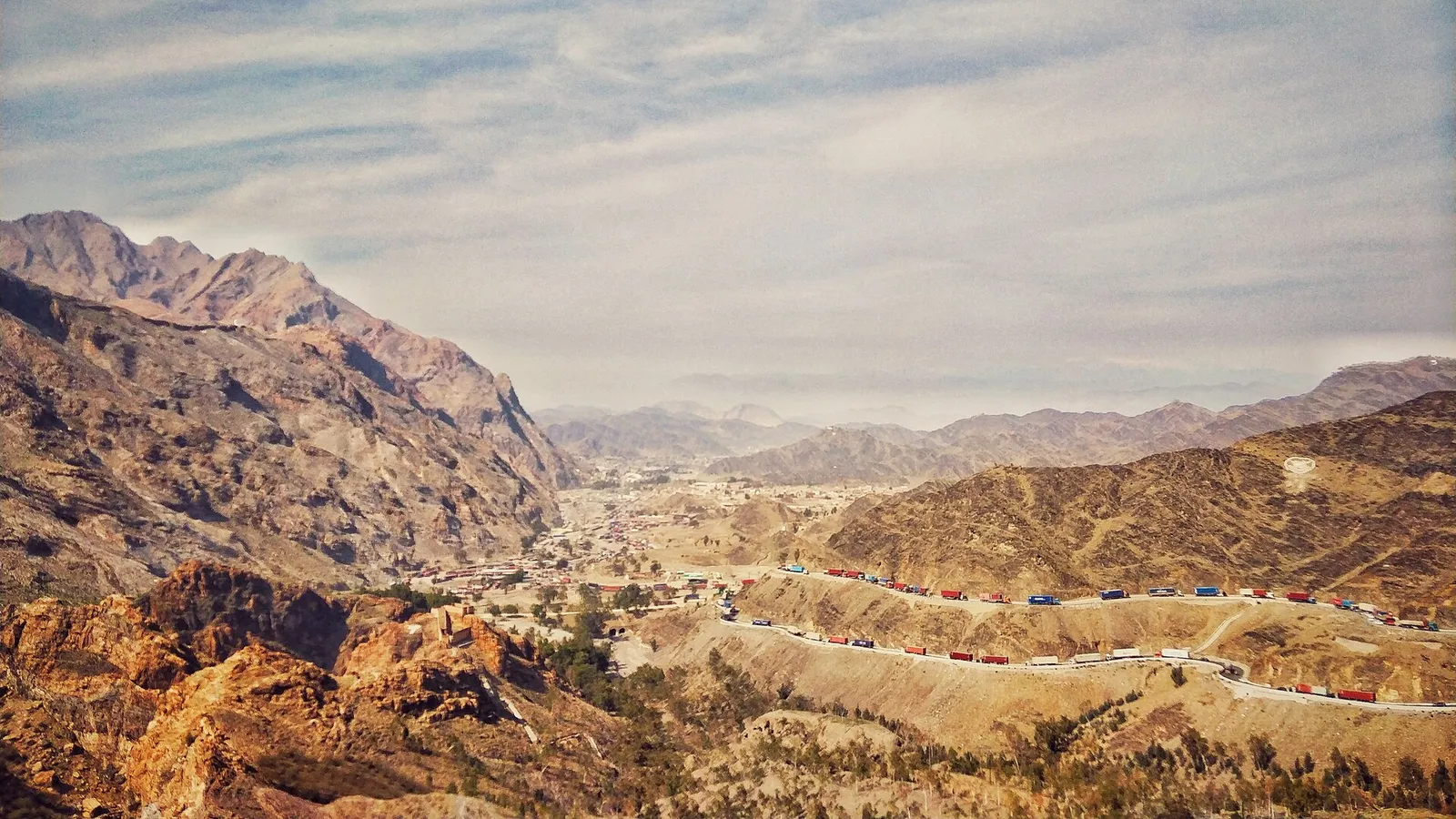
Pakistan has flatly rejected claims by Afghanistan’s Taliban government that Pakistani forces were involved in clashes in the Afghan province of Nuristan, calling the allegations “frivolous, baseless and devoid of any truth”.
The response came on Sunday from the information ministry’s fact-check account on X, after Afghanistan’s defence ministry alleged that individuals backed by Pakistan had crossed the border and taken part in the reported violence.
‘Not a shred of evidence’
In its statement, the ministry said Pakistan “categorically rejects” any suggestion that its security forces or intelligence agencies were involved in internal clashes in Nuristan or anywhere else in Afghanistan. It also denied claims that Pakistan had recruited or trained former Afghan security personnel, or helped Daesh or any other militant group operating in Afghanistan.
The ministry said Kabul had offered no proof at all: no identities, documents, communications, forensic evidence or independent verification. It dismissed a video circulating on social media in support of the claim, saying it showed only a few unarmed men, not properly dressed or equipped, being arrested in what appeared to be a staged recording.
‘Take action against terrorists on your soil’
Rather than blaming others for its own security problems, the ministry said, the Taliban administration should take credible and verifiable action against terrorist organisations operating from its territory, and honour its commitment that Afghan soil will not be used for attacks on Pakistan or any other country.
It called it “particularly ironic” for Kabul to accuse Pakistan of supporting terrorism while groups based in Afghanistan continue to threaten Pakistan and the wider region. The presence of militant groups inside Afghanistan, it said, is well documented, including in successive reports by the United Nations and other neutral organisations.
The ministry also described the allegations as an attempt by a “non-inclusive, non-representative” regime to deflect attention from internal dissent and from its treatment of women, children and minorities.
What the UN has found
Pakistan’s position is supported by the UN’s own monitoring. A report by the UN Security Council’s monitoring team, covering December 16, 2025 to June 9, 2026, found that the Afghan Taliban’s continued support for the TTP had contributed to more frequent and more deadly attacks in Pakistan, even though Kabul had taken some first steps to restrain the group.
The same report pointed to growing operational links between the TTP, Al Qaeda, Islamic State-Khorasan and the Baloch Liberation Army. It is the kind of independent evidence that, as this newspaper has argued, shows why the UN’s role still matters for countries like Pakistan.
A tense month on the border
Relations between the two neighbours have been strained for several years over cross-border terrorism, and September has brought a fresh round of confrontation.
- September 21: After major terrorist attacks in Khyber Pakhtunkhwa, Pakistan carried out what it called “calibrated” airstrikes on militant hideouts in the border region. The government said more than 28 terrorists were killed. Information Minister Attaullah Tarar described the strikes as part of Operation Ghazab lil Haq, launched in February after cross-border firing by Afghan Taliban forces.
- Days later: Pakistan shot down eight drones launched from across the border that had entered its airspace near Torkham and Kohat, and responded with precision strikes on 10 locations in Afghanistan.
- Friday: The information ministry dismissed an Afghan claim that a Pakistani post had been destroyed near Spin Boldak, on the frontier between Balochistan and Kandahar.
On the same day as the ministry’s statement, the military said security forces had killed more than 71 terrorists in Balochistan over four days, describing them as proxies backed from across the border.
Why it matters
Pakistan has repeatedly urged Kabul to dismantle militant sanctuaries on its soil, particularly those of the TTP, and officials say those appeals have gone unheeded. By answering the Nuristan allegations point by point and pointing to the UN’s own findings, Islamabad is making its case to the international community that the source of instability lies in Afghanistan’s failure to act against terrorist groups, not in Pakistan. Whether Kabul responds with action rather than accusations will shape security on both sides of the border.
This article draws on reporting published by Dawn.
Comments
Comments are reviewed by our editors before they appear. Please keep them civil and on topic. See our terms.
No comments yet. Be the first to share your view.