

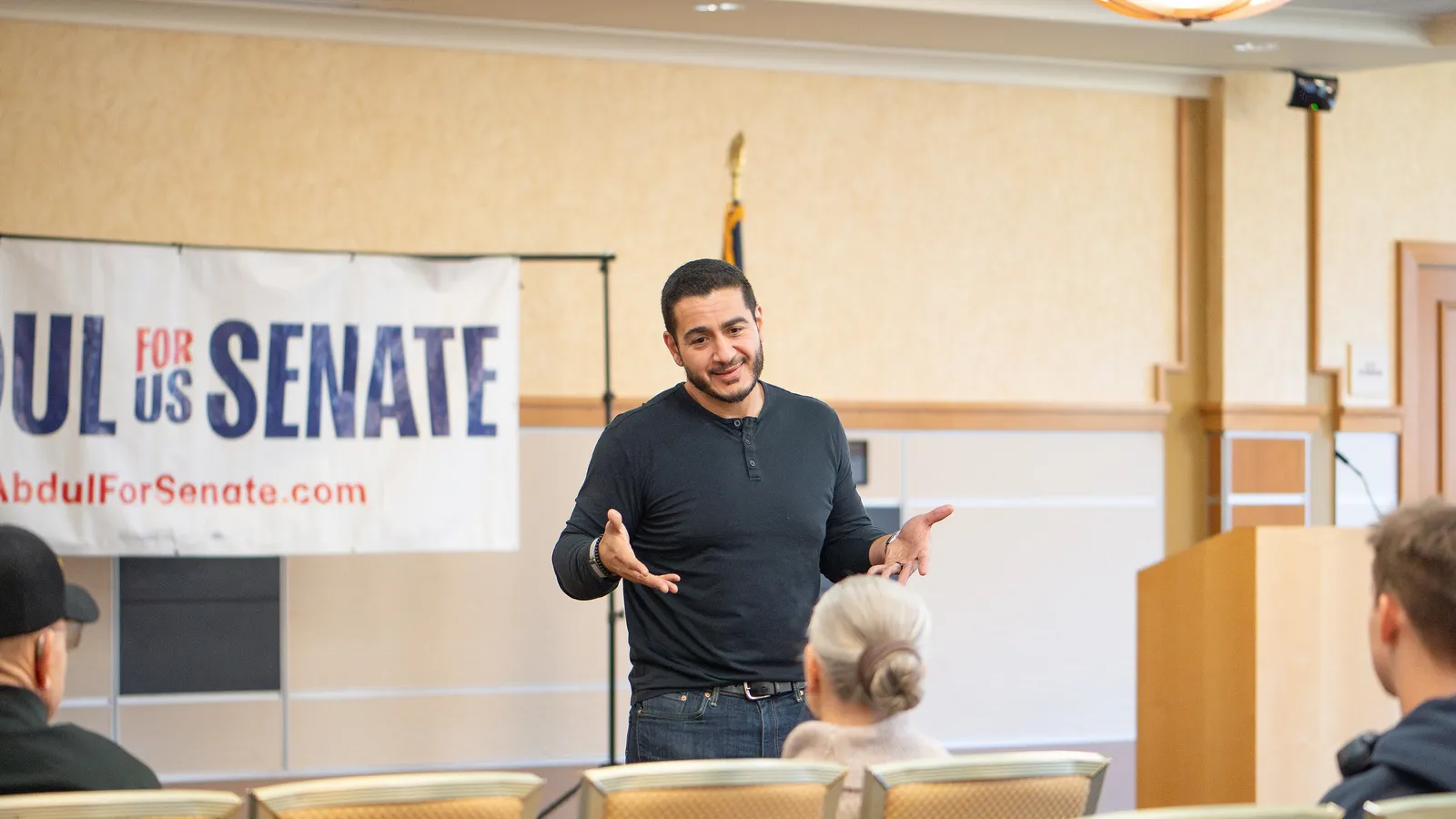
Muslim Americans made their biggest gains yet in this week’s US midterm elections, winning or leading in at least 36 contests for federal, state and local office, according to results gathered by Dawn’s Washington correspondent. A nationwide exit survey suggests that the wars in Gaza and Iran, money worries and rising Islamophobia all played a part in bringing Muslim voters out.
The Senate breakthrough
The headline result came in Michigan, where Democrat Abdul El-Sayed defeated Republican former congressman Mike Rogers in the US Senate race. El-Sayed becomes the first Muslim ever elected to the Senate.
In the House of Representatives:
- New Jersey: Adam Hamawy won the 12th Congressional District and becomes the first Muslim elected to Congress from the state.
- New York: Darializa Avila Chevalier won the 13th District.
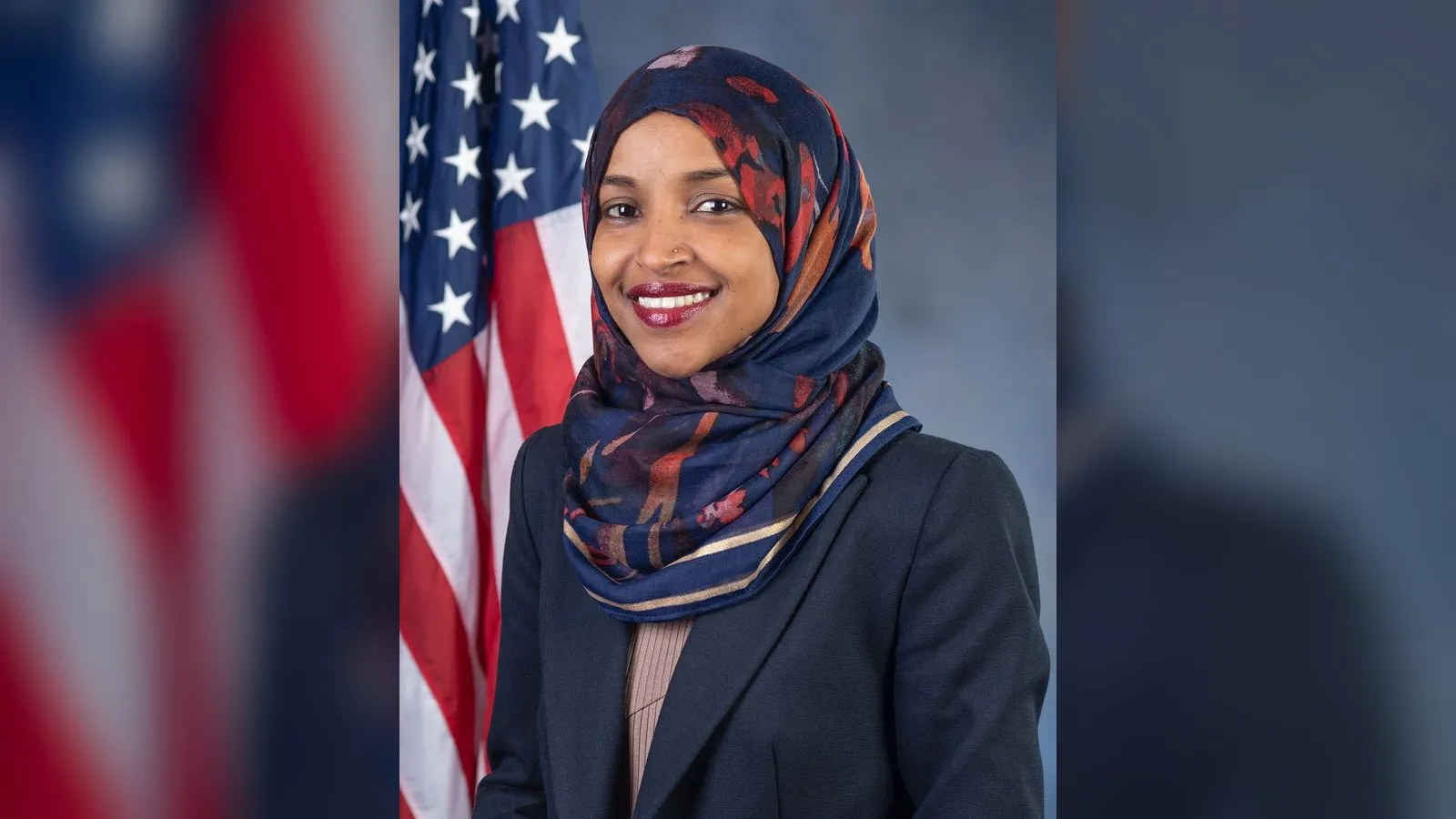
- Re-elected: Ilhan Omar of Minnesota, Rashida Tlaib of Michigan, Andre Carson of Indiana and Lateefah Simon of California kept their seats.
- Still counting: Aisha Wahab, who entered Congress in a special election in August, was reported among the leaders in California’s 14th District, with the final result to be confirmed.
Wins well beyond Washington
The gains ran through state legislatures and local government:
- Georgia: Ruwa Romman won State Senate District 7 and becomes the first Palestinian American in the state Senate. Sheikh Rahman kept his seat and Farooq Mughal won back his former seat in the state House.
- Illinois: State Senator Nabeela Syed beat a Republican-backed challenge to flip a seat in District 26 that the Republicans had held. Abdelnasser Rashid held his seat.
- Michigan: Abbas Alawieh was among the leaders in State Senate District 2; a win would make him the first Arab American and Muslim in the Michigan Senate.
- New York: Palestinian American candidate Aber Kawas won State Senate District 12, and Robert Jackson kept his seat.
- Other states: Iman Jodeh in Colorado; Maryam Khan and Saud Anwar in Connecticut; Madinah Wilson-Anton in Delaware; Omar Fateh and Zaynab Mohamed in Minnesota, where Mohamud Noor and Samakab Hussein also held their seats. Muslim candidates also won legislative races in Ohio, Oregon, North Carolina, Pennsylvania and Texas, among them Texas lawmakers Salman Bhojani and Suleman Lalani, who were re-elected.
- Harris County, Texas: Letticia Plummer won the county judge election, becoming the first Black person and the first Muslim to lead the state’s largest county. Judge Rabia Collier was re-elected to the 113th Civil District Court.
Several races in Michigan, Pennsylvania and Washington state were still being counted and had not been officially confirmed. The Council on American-Islamic Relations (CAIR) and its advocacy arm said they tracked more than 160 Muslim American candidates in the cycle.
What drove the vote
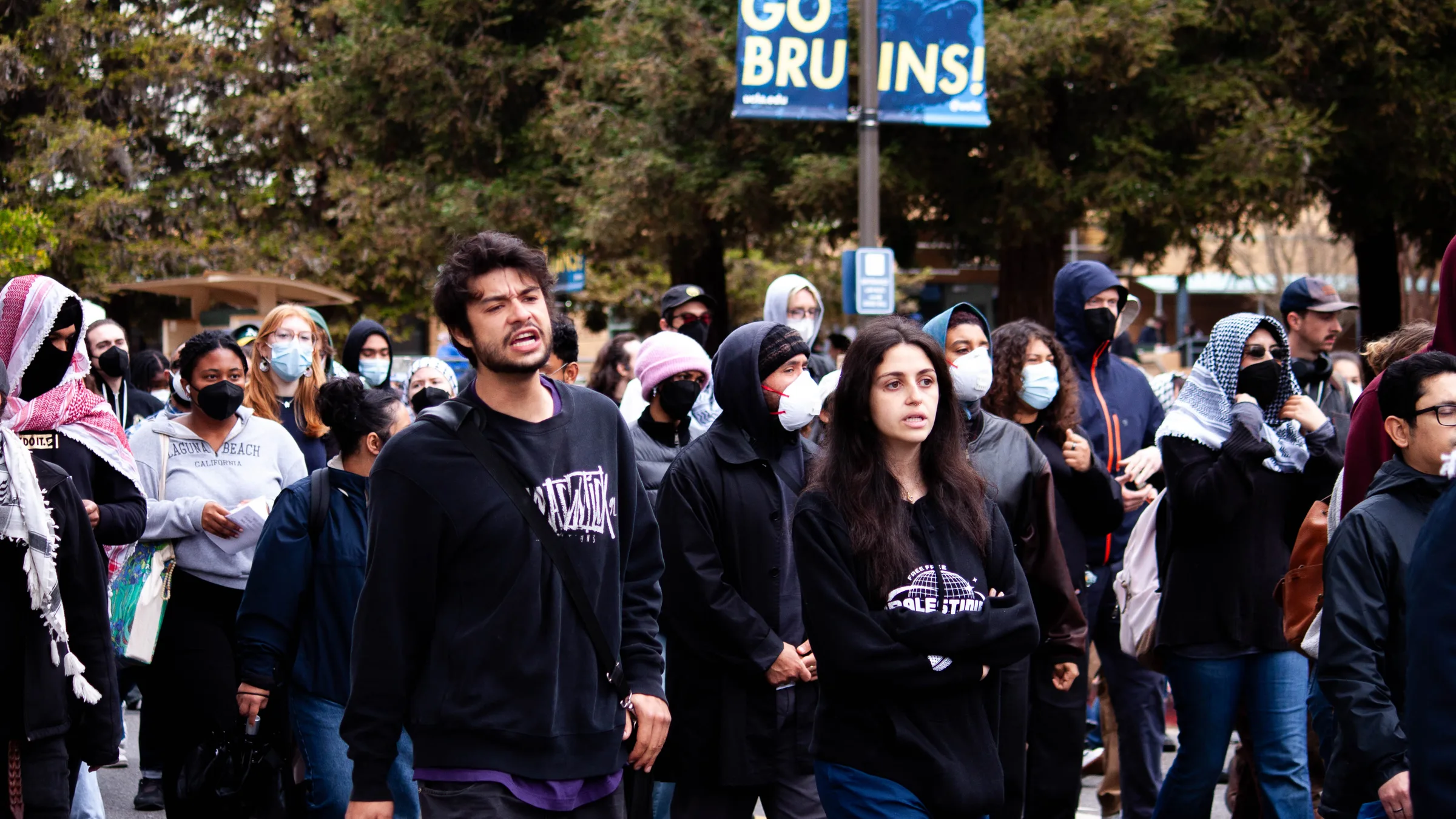
The exit survey cited in the report named the Gaza and Iran wars, economic pressure and Islamophobia as the main motivators. Gaza has been a particular flashpoint: the Gaza health ministry’s death toll has passed 74,000, as we reported in our story on the stalled ceasefire,. Our reporting on what the Democratic takeover of Congress means for US support for Israel sets out the wider politics.
Why it matters
For Muslim communities in the United States, many of them with roots in South Asia, Africa and the Arab world, the results show that organising can turn into elected office, from school boards to the Senate. For Pakistan, an elected Muslim presence in Congress adds voices that Islamabad may find useful in Washington, though members will answer first to their own voters. We also reported earlier on the pressure facing members of this group, including the immigration probe involving Ilhan Omar.
What to watch is how the uncounted races end, how the new members vote on Israel and Iran, and whether the same voters turn out again in 2028.

Comments
Comments are reviewed by our editors before they appear. Please keep them civil and on topic. See our terms.
No comments yet. Be the first to share your view.