

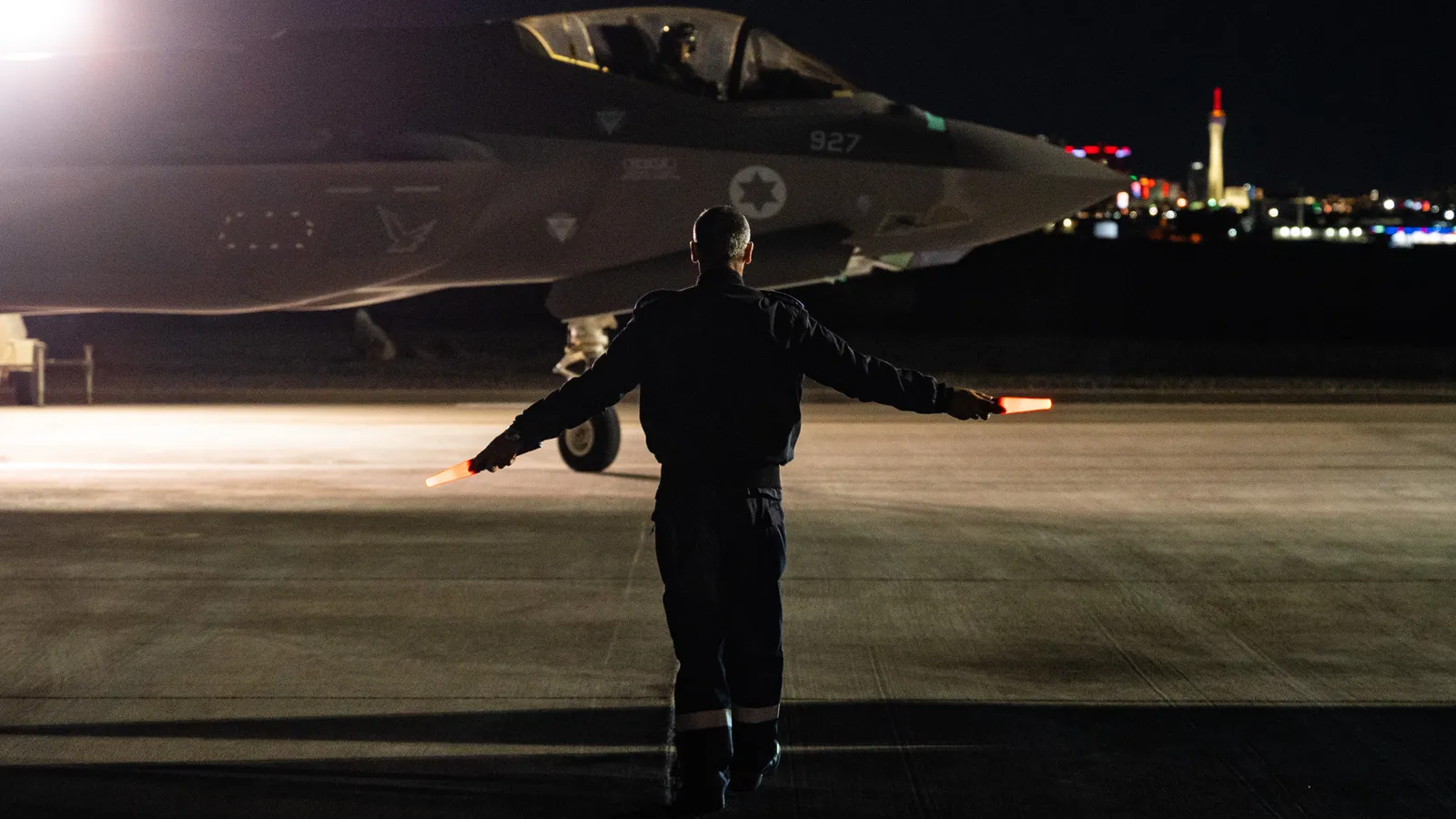
Israeli defence and finance officials are working out how to pay for weapons already on order and to rebuild stocks drained by three years of war, after US President Donald Trump announced that Washington would end aid to Israel by the end of the year, Israeli media reported on Tuesday, according to The Express Tribune.
What Trump said
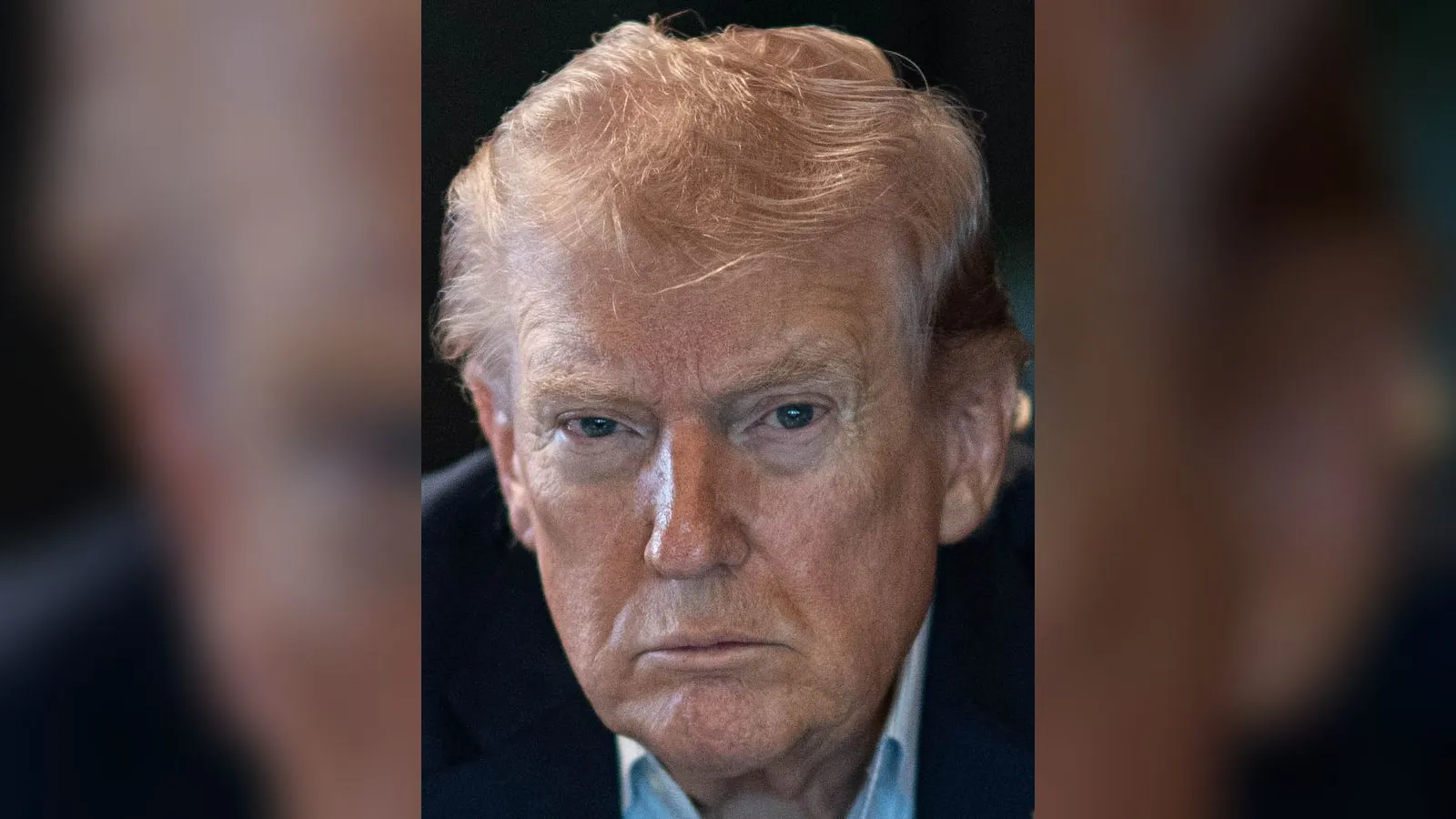
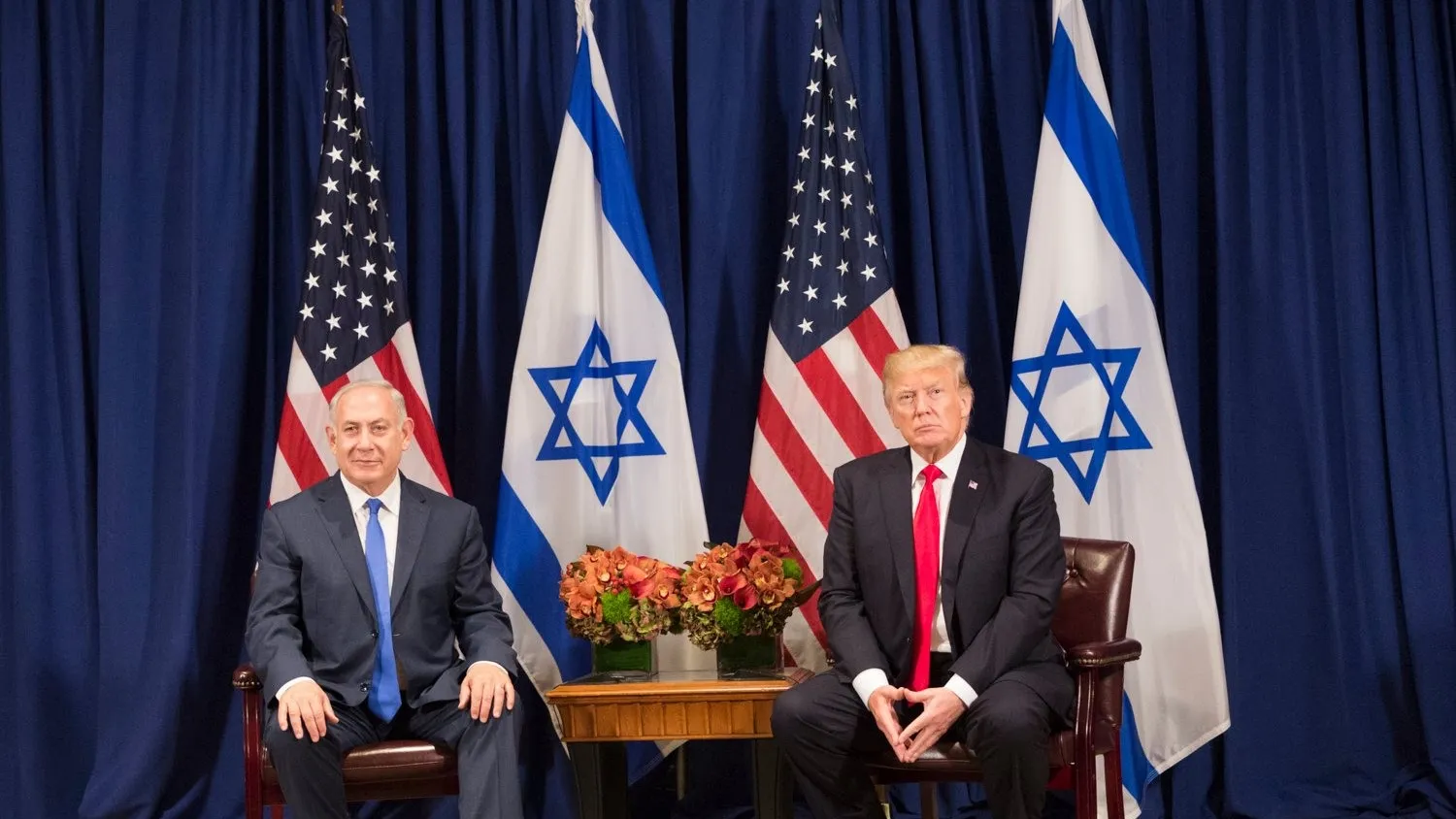
Speaking to Fox News on Tuesday, Trump put US annual aid to Israel at $4 billion and said he had reached an agreement with Prime Minister Benjamin Netanyahu months earlier to stop it. “We won’t be paying any more to Israel,” he said. He added that Washington would help Israel if needed and would go on selling it weapons. After the midterm vote on Wednesday he repeated that Israel had “become quite rich” and no longer needed the aid.
“A surprise” in Jerusalem
Israel’s Finance Ministry first learned of the plan when Trump announced it, Channel 12 reported. The $3.8 billion in annual US military assistance had been expected to help fund Israel’s defence budgets in 2027 and 2028. A senior defence official told the public broadcaster KAN the announcement came as a surprise despite ongoing talks with US counterparts, and that the agencies concerned had not yet received the decision and would study its effects. Only two weeks earlier, on October 20, an Israeli Defence Ministry delegation had visited Alabama to discuss future purchases with US Army Security Assistance Command, KAN reported.
The money
KAN’s economic commentator, Shaul Amsterdamski, estimated that a cutoff starting in January would leave an immediate gap of 12 billion shekels ($3.8 billion) a year in the defence budget. The ministry had already made spending commitments, he said, and the government could cover the gap through higher taxes, spending cuts or faster growth; he thought higher taxes the likeliest. Officials told Channel 12 they wanted to know where the money would come from for fighter jets under contracts already signed, and in what currency Israel would pay. They are also trying to establish whether the announcement means funding stops at year’s end or whether the two countries will move gradually to a different model of defence cooperation.
Under a 10-year memorandum signed in 2016, Washington committed $38 billion in military assistance to Israel through 2028, and the two countries began formal talks in May on a successor deal. How Trump’s announcement affects existing commitments and those talks is unclear.
A military worn down
The Israeli daily Maariv reported that the air force had flown as many hours in three years as it normally would in nine years of peacetime, increasing wear on aircraft, and that tanks and armoured personnel carriers went through thousands of engines. It said the military used as much ammunition in three years as in the three decades before the war, and that the end of US funding would make it harder to replace the equipment. These are Israeli media reports of the military’s condition, and the reports do not carry an official Israeli response.
Why it matters
The announcement has two sides. For Israel, it is a budget problem with a deadline, in a country that has just held an election without a clear winner and whose prime minister has reportedly signalled a possible attack on Iran; see our report on Israel’s election deadlock and the Arab parties’ gains. For Palestinians and others who have asked the US to stop arming Israel during the Gaza war, whose toll the health ministry puts above 74,000, the pledge is notable, but Trump said arms sales will continue, so it may change how Israel pays and not what it receives. The things to watch are whether the White House sets out the plan in writing, whether Congress, now Democratic, weighs in, and how the successor deal talks proceed.
This article draws on reporting by The Express Tribune, KAN, Channel 12 and Maariv.
Comments
Comments are reviewed by our editors before they appear. Please keep them civil and on topic. See our terms.
No comments yet. Be the first to share your view.