

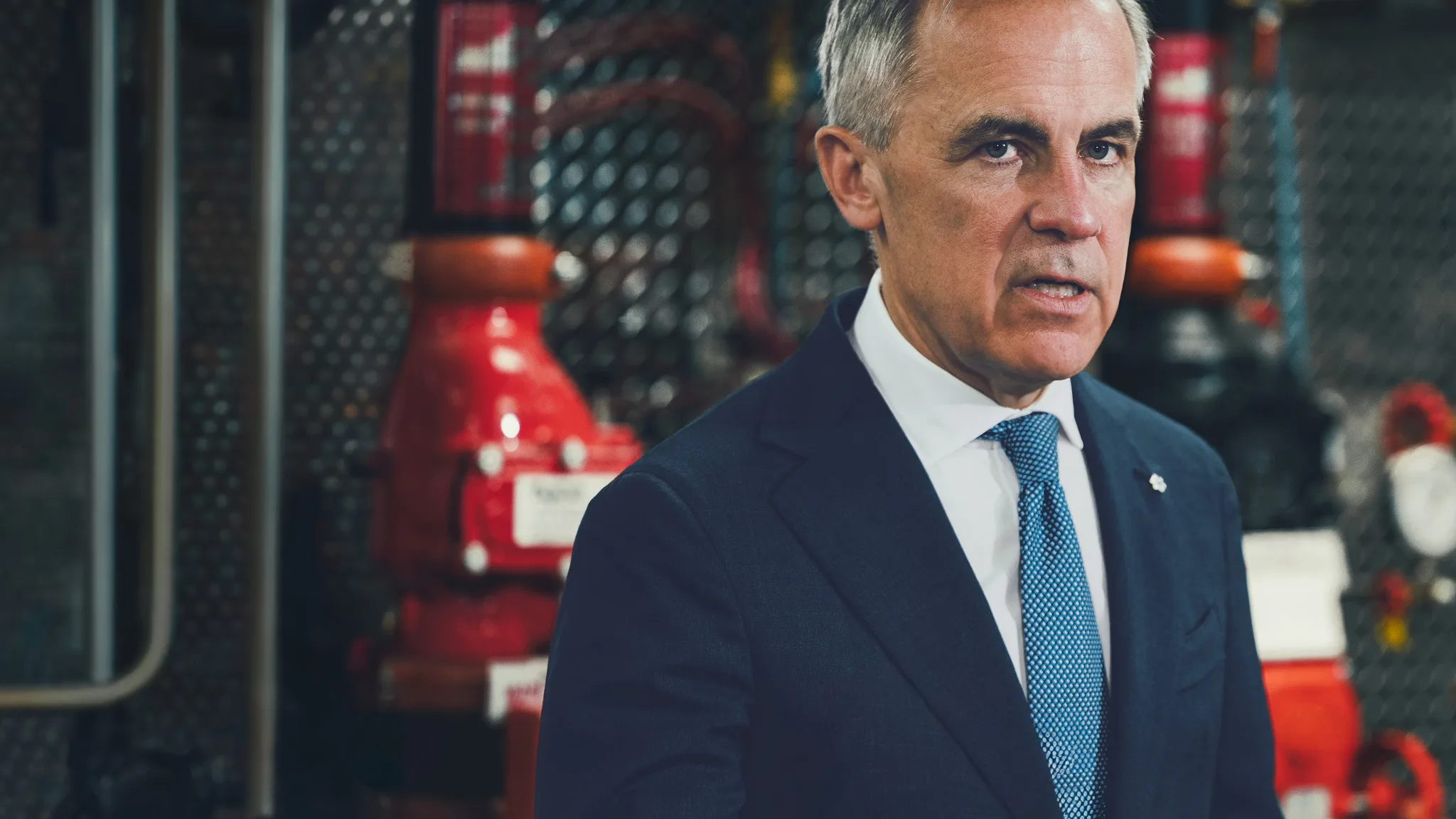
Alberta has voted to remain part of Canada in the province’s first-ever referendum on separation, a much-needed win for Prime Minister Mark Carney as he tries to unite the country during a trade war with the United States.
CBC News, Canada’s public broadcaster, called the result late on Monday after 33 percent of the vote had been counted, Dawn reported, citing Reuters. At that point, 76 percent of votes backed remaining in Canada, against 23 percent in favour of moving towards a binding vote on separation. The referendum was non-binding.
“Albertans made a clear choice,” Carney said in a statement. “They chose unity, to build together, and to take care of each other.”
Alberta Premier Danielle Smith, who announced the referendum in May, said on social media she was “very pleased” that early results showed wide support for staying in Canada. She said she would address Albertans on Tuesday on the results and “where our province goes from here”.
Why Albertans were asked
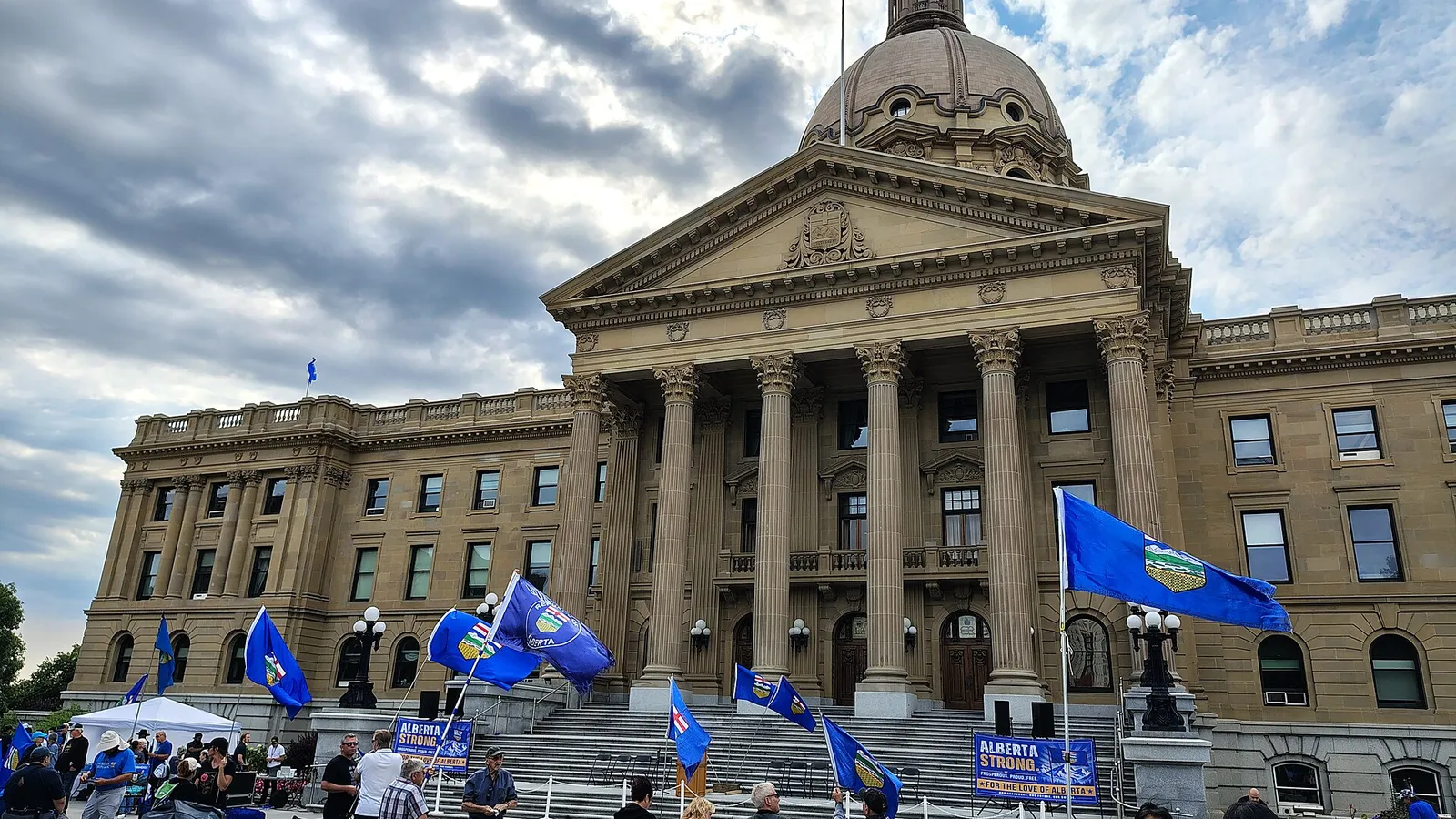
A small but vocal group of separatists has campaigned for months for an independent Alberta, arguing that the province’s energy wealth subsidises poorer parts of Canada and that Alberta would be far richer without Ottawa’s bureaucracy.
Smith said it was time to hold a vote, understand the will of Albertans, and move on. Pollsters had repeatedly dismissed the chances of a separatist win, with data showing about a third of residents backed a future referendum on leaving.
Last week, Carney told a rally in Calgary that voting to leave would be a dangerous bluff leading to years of deep division, and urged Albertans to vote as if Canada depended on it. Carney, who grew up mostly in Alberta, acknowledged that Albertans have often felt slighted by Ottawa, said his government had approved a proposed new pipeline, and said Alberta was critical to reducing Canada’s dependence on the US.
First Nations turn out
First Nations groups had objected to the idea of an independent Alberta, because their treaties with Ottawa predate the province’s creation within Canada.
CBC reported strong turnout from First Nations. One southern Alberta polling station, in an area home to the Siksika Nation, temporarily ran out of ballots and stayed open past 10pm local time so everyone in line could vote.
Not the end of the movement
The referendum is unlikely to end the separatist movement:
- Separatist leaders said before the vote they would keep pursuing another referendum even if most Albertans voted to remain
- Public opinion: 62 percent of Albertans believe there will never be an end to the separatist movement, according to Angus Reid data released on October 16
- Other questions: the ballot also carried nine other non-binding questions, including on immigration, access to provincial services and voter identification; results were still coming in
Alberta’s vote follows two referendums on separation in mainly French-speaking Quebec, where voters chose to stay in Canada both times.
Why it matters
A clear remain vote strengthens Carney’s hand as Canada faces Trump’s trade war, and shows that most Albertans want change within Canada rather than outside it. Read our report on the vote as polls opened.
This article draws on reporting by Dawn and Reuters.
Comments
Comments are reviewed by our editors before they appear. Please keep them civil and on topic. See our terms.
No comments yet. Be the first to share your view.