

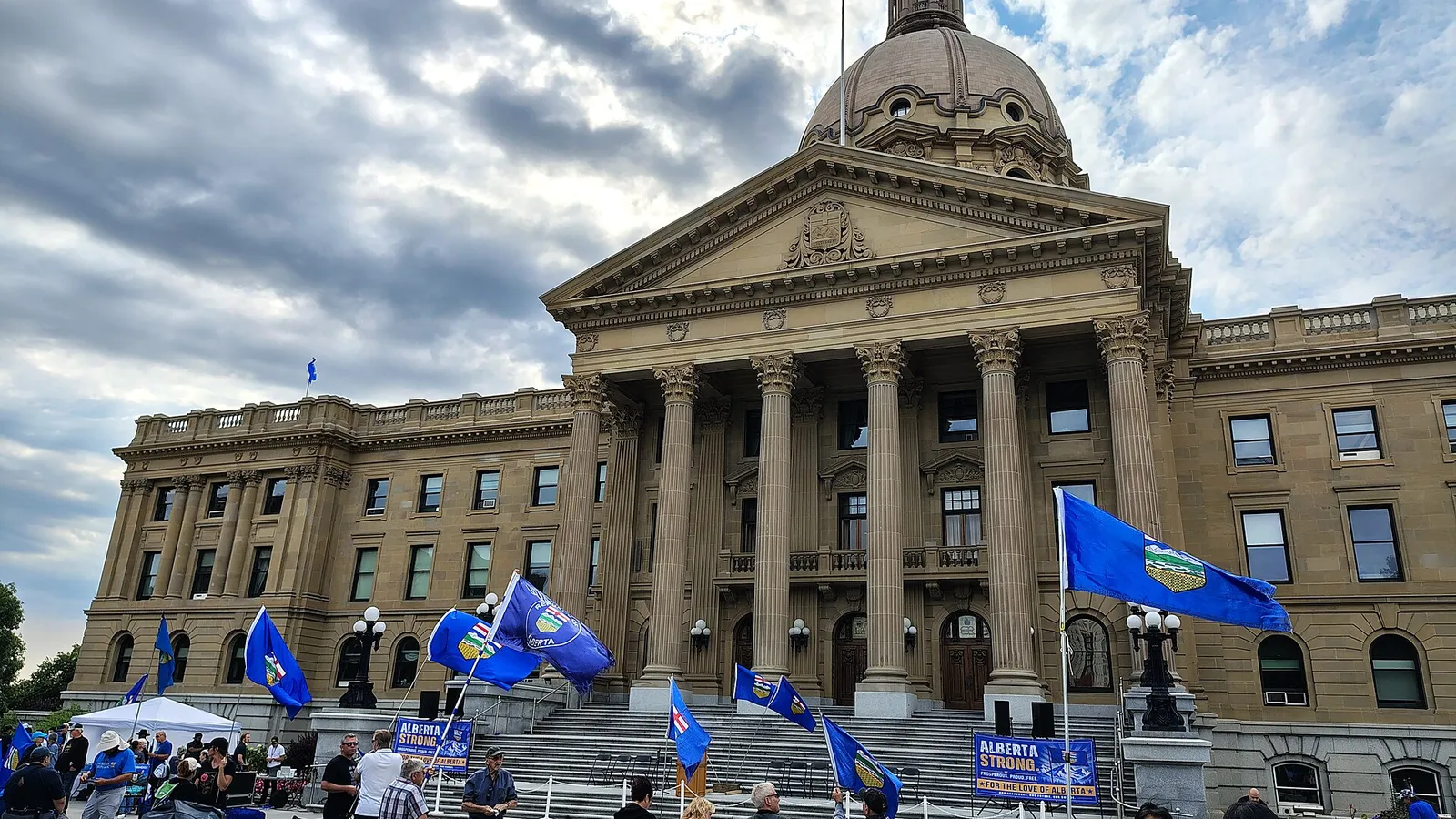
Alberta decides on Monday whether to pursue a binding referendum on leaving Canada, with Prime Minister Mark Carney warning that a separatist win would bring dangerous uncertainty during a trade war with the United States, AFP reported.
Polls indicate that less than a quarter of people in the western Canadian province support independence. But attention has focused on turnout, and whether a motivated separatist camp could defy the polls, helped by complacent federalists. “Don’t let anyone tell you this is already decided. Turnout will determine the outcome,” Carney told a rally on Thursday.
What is on the ballot
Monday’s referendum has 10 questions, including several on immigration, but the focus is on question 10: “Should Alberta remain a province of Canada?”, or should the province take the legal steps required for a definitive independence vote? Alberta’s election authority says ballots for question 10 will be counted first, with results expected in the early hours of Tuesday.
Premier Danielle Smith, a conservative, says she wants Alberta to remain in Canada but called the referendum to settle the divisive issue. If a majority votes to separate, she has pledged to move ahead with a binding referendum. If the federalists win, she says, the secession question should be considered closed. Analysts have compared her tactics to those of former UK prime minister David Cameron, who hoped to settle Britain’s debate over EU membership with a vote.
Carney’s warning
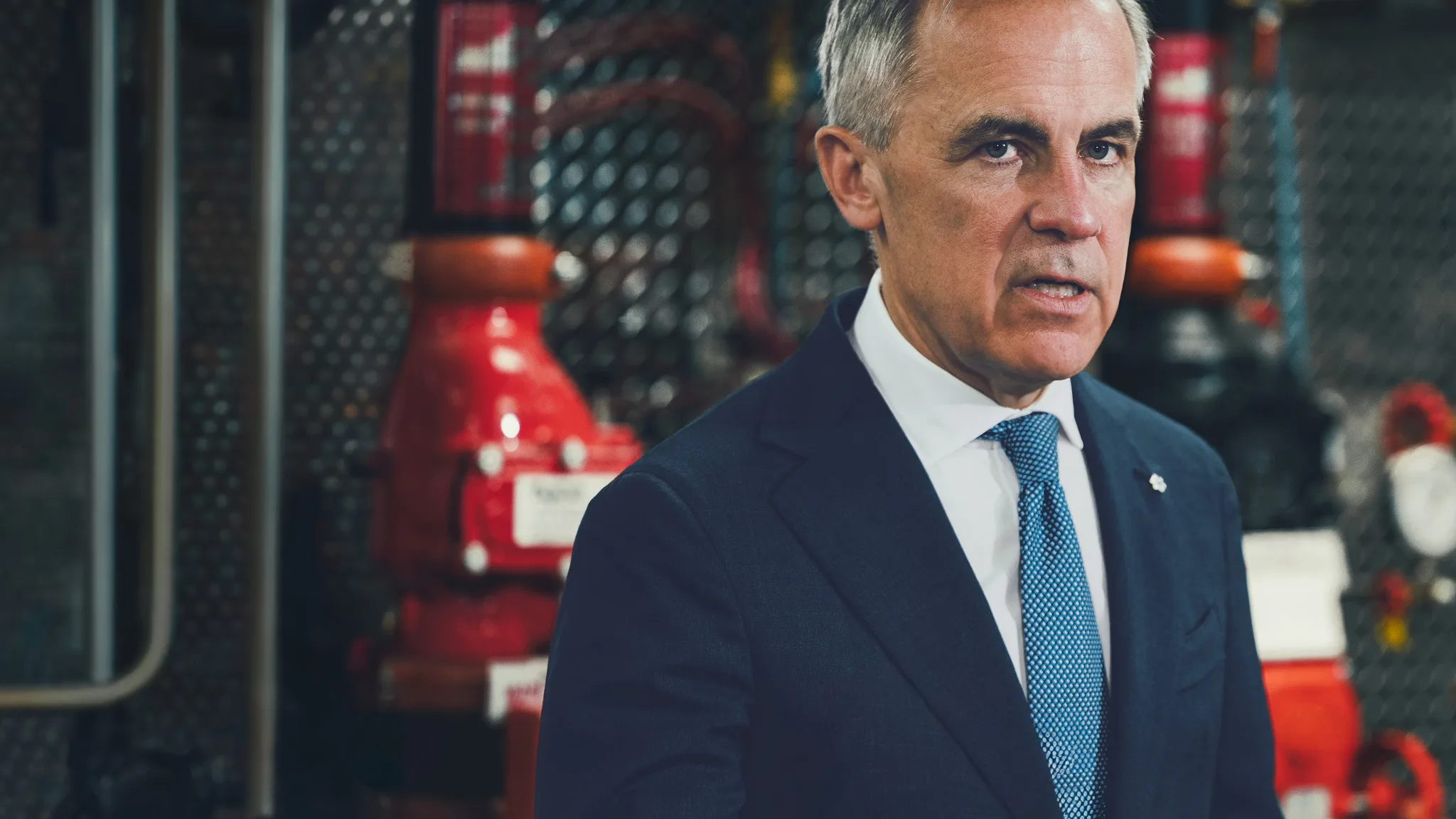
Carney, who grew up in Alberta, has called the referendum “a dangerous bluff” as US President Donald Trump imposes punishing tariffs and, the prime minister says, makes annexation threats aimed at breaking Canadian resolve. “Vote like Canada depends on it, because it does,” he said.
Carney led the Bank of England through the turmoil that followed Brexit, and warned Albertans about that experience. “It wasn’t clear what ‘Brexit’ meant at the time,” he told a Calgary television station. “For the next few years, while that was being determined, there was huge uncertainty, investments stopped, the economy started to underperform.”
Why separatism has grown
Alberta has the world’s fourth-largest proven oil reserves, and separatist momentum has been driven by anger over Ottawa’s management of the sector. Many Albertans disliked Carney’s predecessor, Justin Trudeau, whom they accused of trying to suppress oil production to advance a pro-climate agenda. “If you want me to pinpoint who is responsible for the separatist sentiment, I think it’s Justin Trudeau,” Smith told the Canadaland podcast this month.
At a separatist rally in Edmonton on Saturday, 61-year-old Sandy Martel said people connected to the oil industry feel “robbed, cheated (and) mistreated”. “It’s time to stand up and say stop,” she told AFP.
Foreign voices and fears of a contested result
The pre-referendum period was clouded by “avalanches” of manipulated AI content, AFP reported. Close allies of Trump have inserted themselves into the debate, including Treasury Secretary Scott Bessent, who in January described Alberta as a “natural partner” for the US. After a separatist party won Quebec’s provincial election on October 5, tech billionaire Elon Musk posted that “they would be better off” if they seceded. Asked about alleged foreign interference, Carney said foreign governments, including the US, should not “get themselves involved in our elections”.
Carney has urged “a decisive result”, but experts worry about a disputed outcome whatever the numbers. “A very likely result of this referendum is going to be a community that sees this election as stolen or at least unfair,” said Aengus Bridgman, director of the Media Ecosystem Observatory at McGill University.
A week of mourning
The vote comes days after a fire at a military base in the province left four soldiers dead and dozens injured, prompting a national outpouring of condolences, according to the BBC. The fire broke out on Saturday at Canadian Forces Base Wainwright, during live-fire training with grenades and other ordnance. Carney called it “one of the worst tragedies for the forces on Canadian soil in peacetime”. At least 19 of the 39 people in hospital were in critical condition, Smith said on Sunday, and officials said there was no indication of terrorism or outside interference.
Why it matters
A vote to take the next step towards separation, even if unlikely, would open a constitutional crisis for Canada at a time of pressure from Washington. A decisive federalist win would let Ottawa treat the question as closed. The count on Tuesday will show which way Alberta has gone, and how deeply the province is divided. Read our report on Trump suspending Russia sanctions for more on the US president’s foreign policy.
This article draws on reporting by Dawn, AFP and the BBC.
Comments
Comments are reviewed by our editors before they appear. Please keep them civil and on topic. See our terms.
No comments yet. Be the first to share your view.