
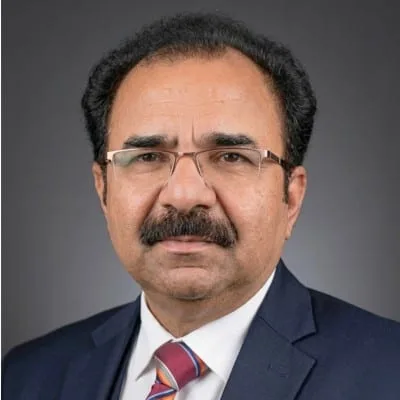
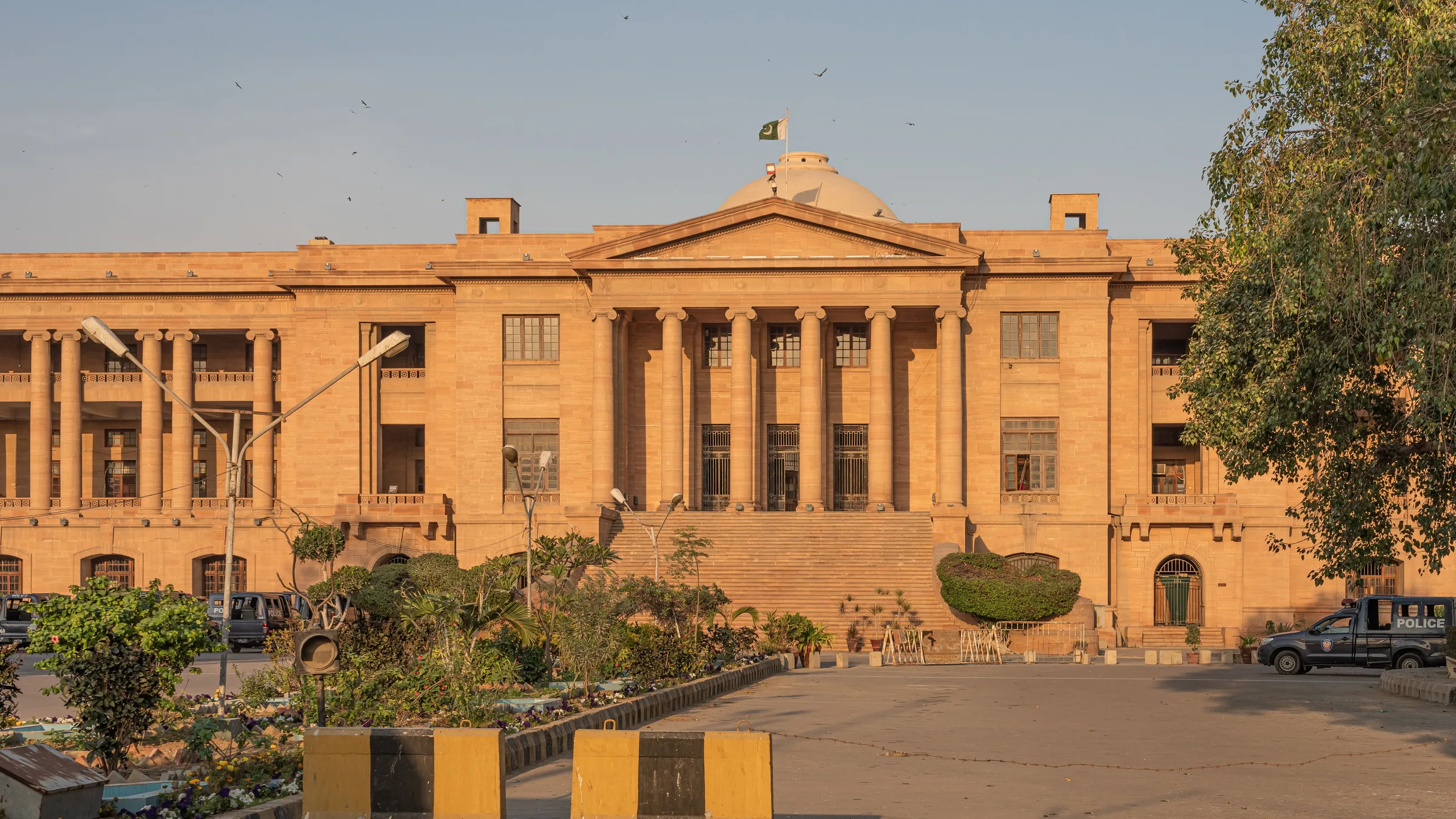
The Sindh government will form a Joint Investigation Team (JIT) in the Mir Raza case in line with the findings of the judicial commission, Home Minister Zia-ul-Hasan Lanjar said on Thursday, according to The Express Tribune.
Speaking to the media at the Sindh Assembly, Lanjar said the team would be formed after approval from the chief minister, and that the Federal Investigation Agency (FIA) would then be formally approached by letter.
What the minister said
The provincial government received a detailed, seven-volume report on the case, Lanjar said. A subcommittee of the Sindh cabinet reviewed it and briefed the chief minister, and has drafted recommendations that will go to him for approval. The commission was set up on the chief minister’s directives, and the minister described its head, Justice Omar Sial, as an experienced and senior judge.
Lanjar said he would recommend that the JIT complete its investigation and submit a charge sheet before the relevant court. A separate committee, headed by Zulfiqar Larik, will also be formed to inquire into the conduct of the police officers involved in the case.
He noted that the affected family had gone to the constitutional court seeking a JIT, but that the petition was dismissed. The provincial government, he said, will abide by the commission’s findings and recommendations. He added that he had told Justice Sial the government was willing to assist, and that the family also agreed to a JIT.
What the commission found
The single-member Judicial Commission, headed by Sindh High Court Judge Justice Omar Sial, submitted its report to the chief minister on October 15. It concluded that the death of 25-year-old Mir Raza Ali was a murder. In its words, “the bullet trajectory, the unusual location of the wound for a self-inflicted injury, the absence of blood, the state of the body, the principles of medical jurisprudence, acid burns and the anesthesia detected in the blood, all clearly excluded suicide as the cause of death.”
The commission described the police investigation as an “epic failure” and warned that the trust deficit between the Sindh police and society had become “nearly unrectifiable” in this case. It found that police failed in their most basic duty of establishing the truth. The suicide theory rested on a handful of unconfirmed text messages, selectively obtained video footage and a preliminary post-mortem report that did not itself conclude suicide, it said. It also pointed to contradictions between the first and second reports prepared by the doctor Osama Shaikh, which weakened the police position further.
The commission recommended a JIT led by DIG Irfan Baloch, with senior representatives of the Inter-Services Intelligence (ISI), the Intelligence Bureau (IB), Pakistan Rangers (Sindh) and the National Cyber Crime Investigation Agency (NCCIA), to establish the truth. Read our earlier reports on the commission’s findings and on the Sindh cabinet’s response.
Why it matters
The minister’s statement is the first clear commitment by the government to the commission’s central recommendation, but the details are still open. The JIT’s membership has not been announced, and the home minister said the draft recommendations still need the chief minister’s approval. Whether the team includes the intelligence agencies and Rangers that the commission proposed, and whether it is allowed to file a charge sheet, will show how far the government is willing to go. For the family, which has pressed for a JIT from the start, the test is whether the team is formed quickly and its findings made public.
This article draws on reporting by The Express Tribune.

Comments
Comments are reviewed by our editors before they appear. Please keep them civil and on topic. See our terms.
No comments yet. Be the first to share your view.