
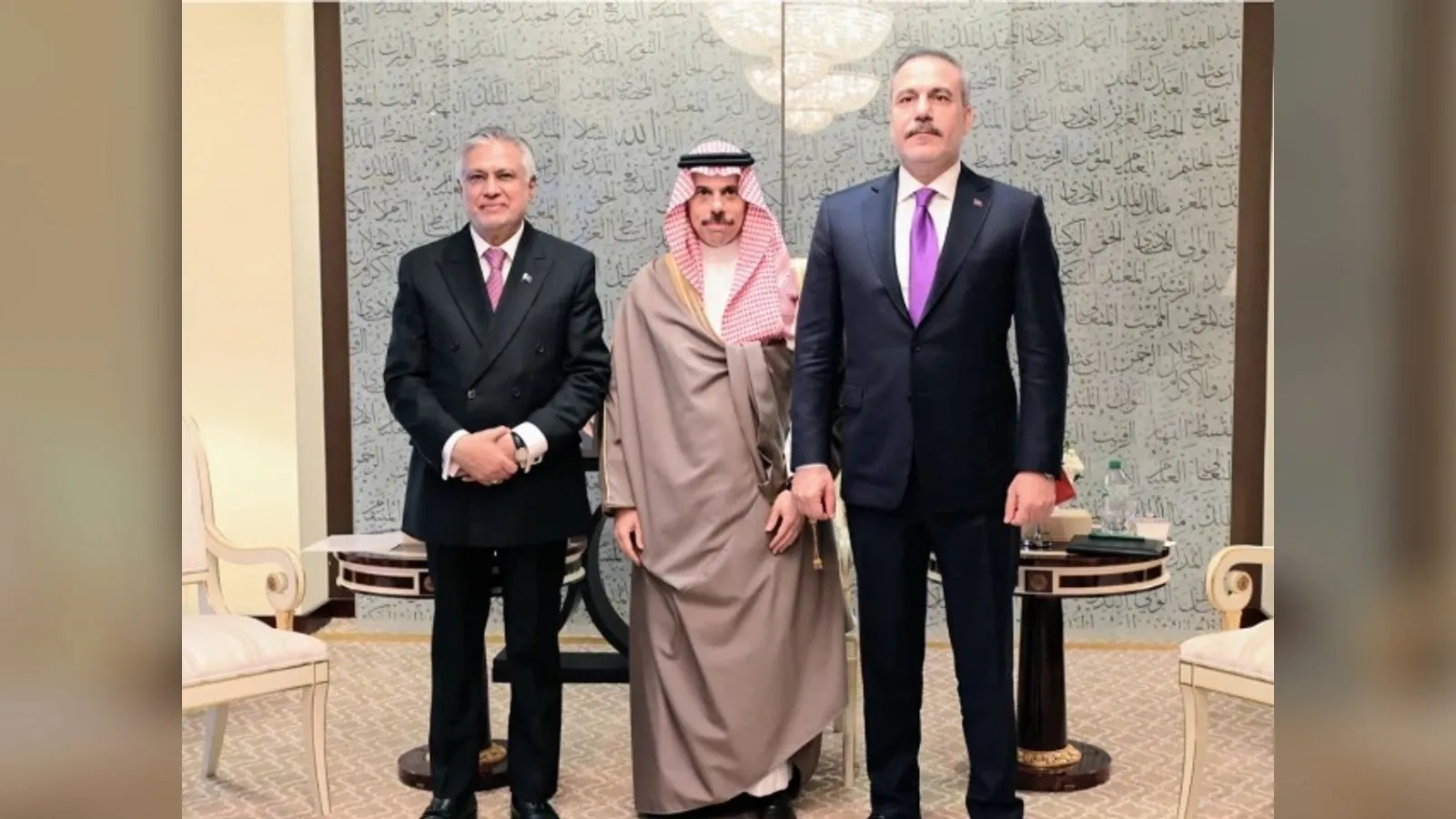
Pakistan’s top military and diplomatic leadership is in Riyadh for a meeting of the Makkah Joint Defence Agreement’s Strategic Political and Defence Committee, as Houthi attacks on Saudi Arabia escalate.
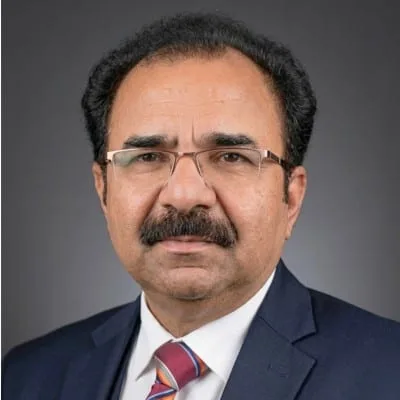
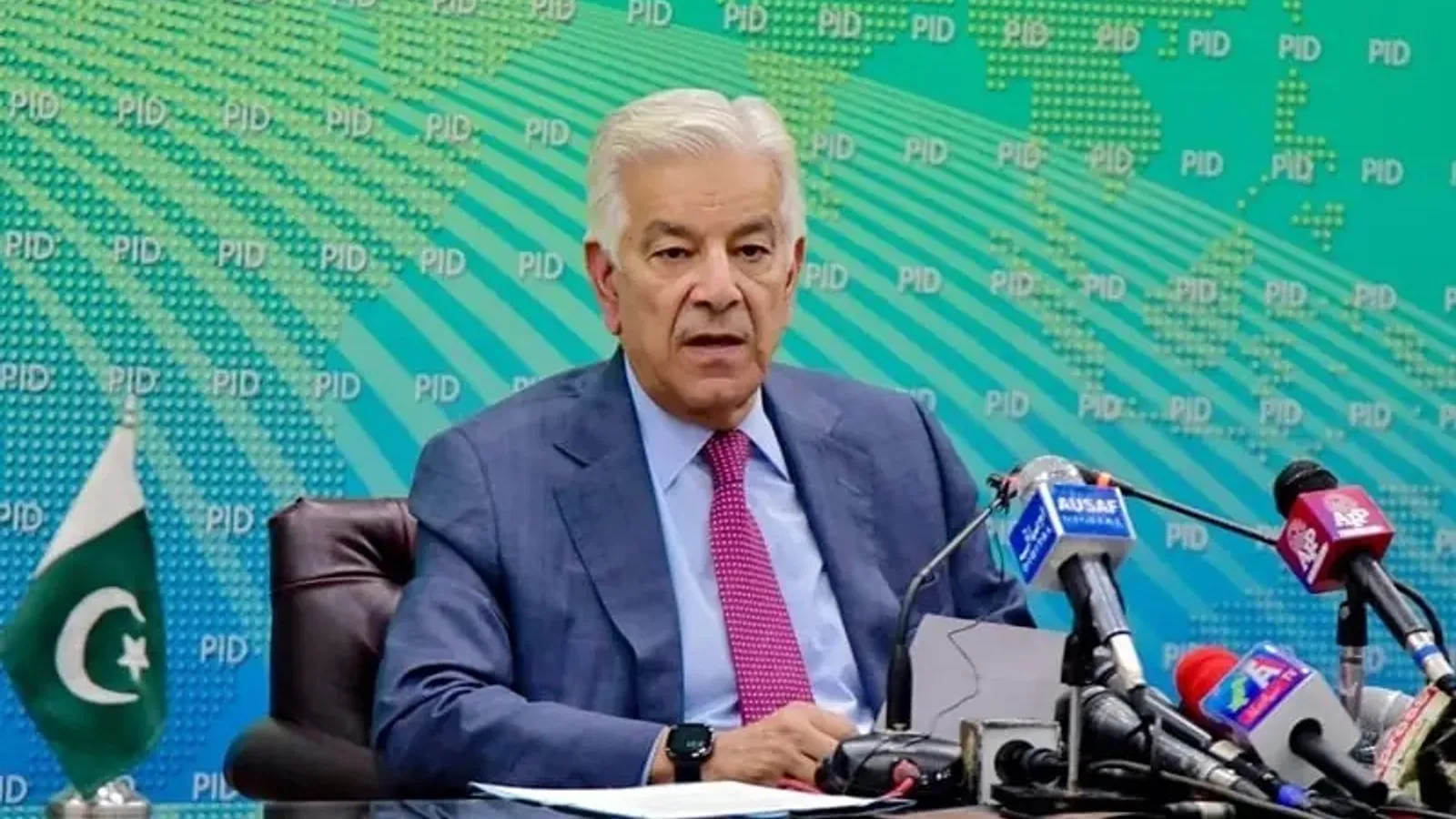
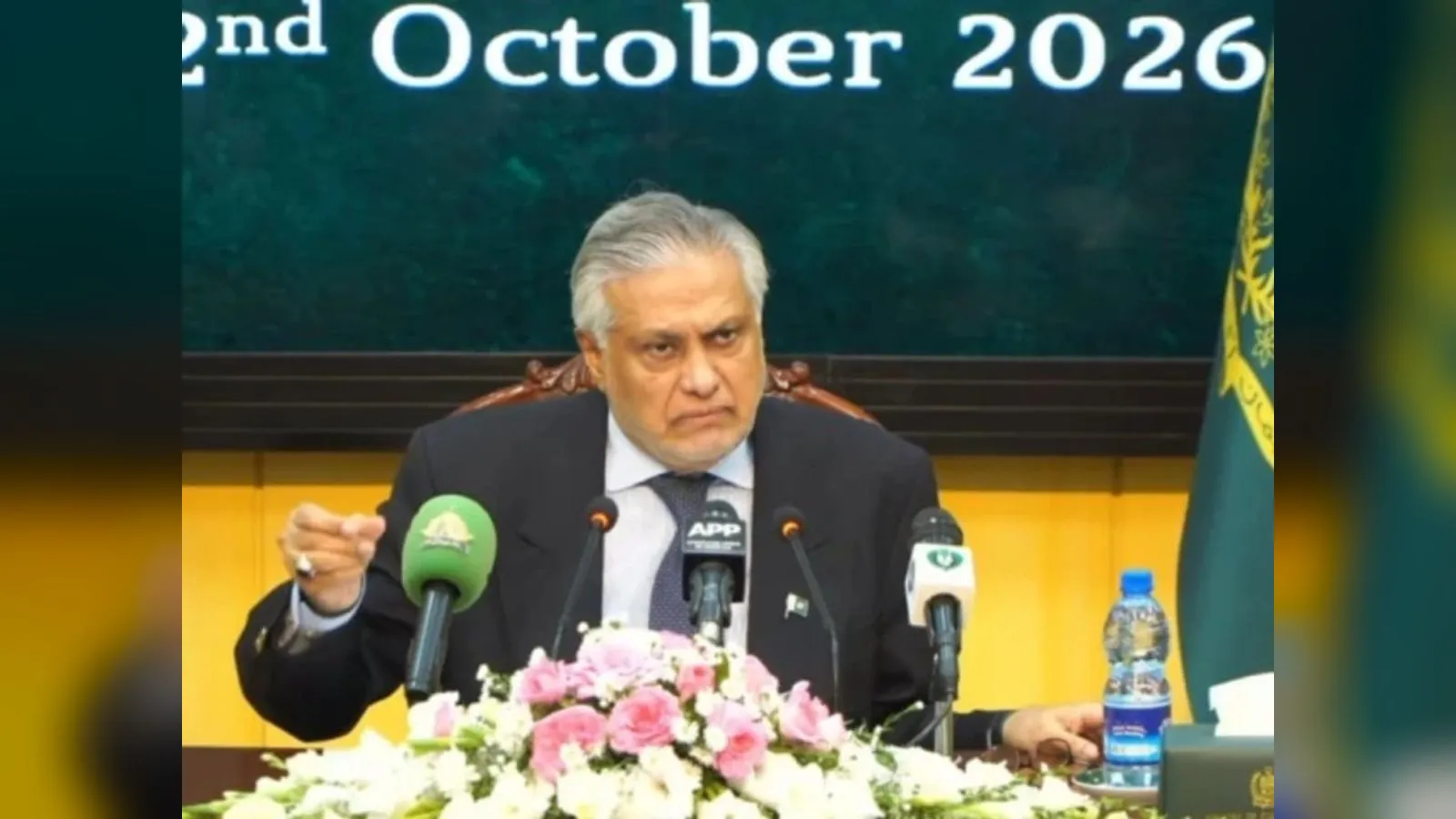
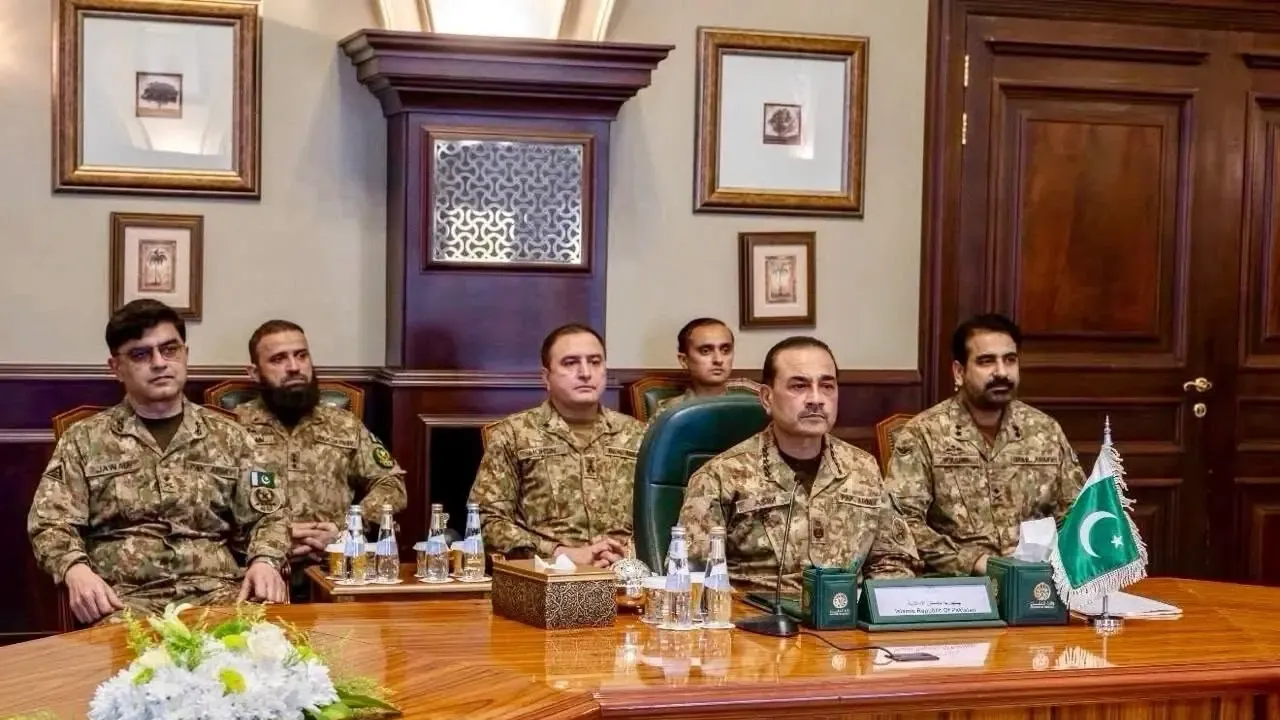
Deputy Prime Minister and Foreign Minister Ishaq Dar, Defence Minister Khawaja Asif and Chief of Army Staff and Chief of Defence Forces Field Marshal Asim Munir travelled to the Saudi capital on Monday, the Foreign Office said, The Express Tribune reported.
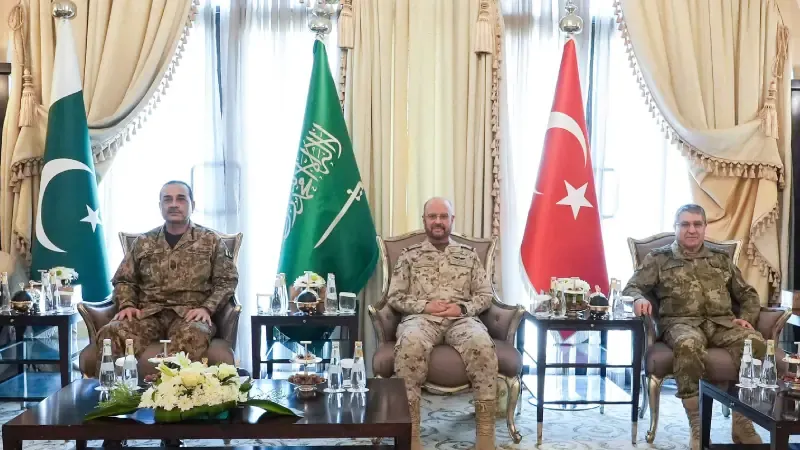
The foreign ministers, defence ministers and chiefs of general staff of Saudi Arabia and Turkiye are also attending.
“Pakistan’s resolve”
Pakistan’s participation “signifies Pakistan’s resolve to continue contributing towards regional peace and stability”, the Foreign Office said. The three countries will review their cooperation under the agreement and discuss developments in the region.
How the meeting came about
- September 24: the three foreign ministers met in New York during the UN General Assembly, discussed putting the pact into practice, and agreed to call an urgent meeting of their military chiefs
- September 25: the army chiefs met in Riyadh, reviewing threats to Saudi Arabia and discussing intelligence sharing, military coordination and closer integration of their forces
- October 5: the full committee, made up of foreign ministers, defence ministers and army chiefs, meets in Riyadh
Under fire from the Houthis
The meeting comes amid a wave of attacks on Saudi Arabia that Riyadh blames on Yemen’s Houthis, including a drone strike on a power station supplying the Prophet’s Mosque in Madina. Pakistan condemned that attack and reaffirmed its support for Saudi Arabia’s sovereignty and the security of the Two Holy Mosques.
Over the weekend, the Houthis claimed missile and drone attacks on Aramco sites in Riyadh and Khurais, and Yemen’s Saudi-backed government launched a major offensive to retake Houthi-held territory.
What the pact means
The Makkah Joint Defence Agreement was signed on August 7 by Prime Minister Shehbaz Sharif, Saudi Crown Prince Mohammed bin Salman and Turkish President Recep Tayyip Erdogan. An armed attack on any one of the three is treated as an attack on all three.
For Pakistan and Saudi Arabia, it builds on their Strategic Mutual Defence Agreement of September 2025, which says “any aggression against either country shall be considered an aggression against both”. Pakistan has deployed about 8,000 troops, fighter jets, drones and an air-defence system to the kingdom, according to Reuters.
The three countries already had deep military ties. Pakistan has trained and assisted Saudi forces for decades, while Pakistan and Turkiye work together closely on training, naval cooperation and defence equipment.
At least six countries interested
Last week, Dar said “at least six countries” had expressed interest in joining the alliance, and that the committee would meet again at the end of October or in early November.
Why it matters
With Pakistan’s army chief, foreign minister and defence minister all in the room, this is the most senior meeting yet of the alliance. Its decisions will show how far Pakistan’s pledge to defend Saudi Arabia goes in practice, as war spreads on the kingdom’s border. Read our reports on the Turkish delegation heading to Riyadh and on Yemen’s new offensive.
This article draws on reporting by The Express Tribune and Reuters.
Comments
Comments are reviewed by our editors before they appear. Please keep them civil and on topic. See our terms.
No comments yet. Be the first to share your view.