

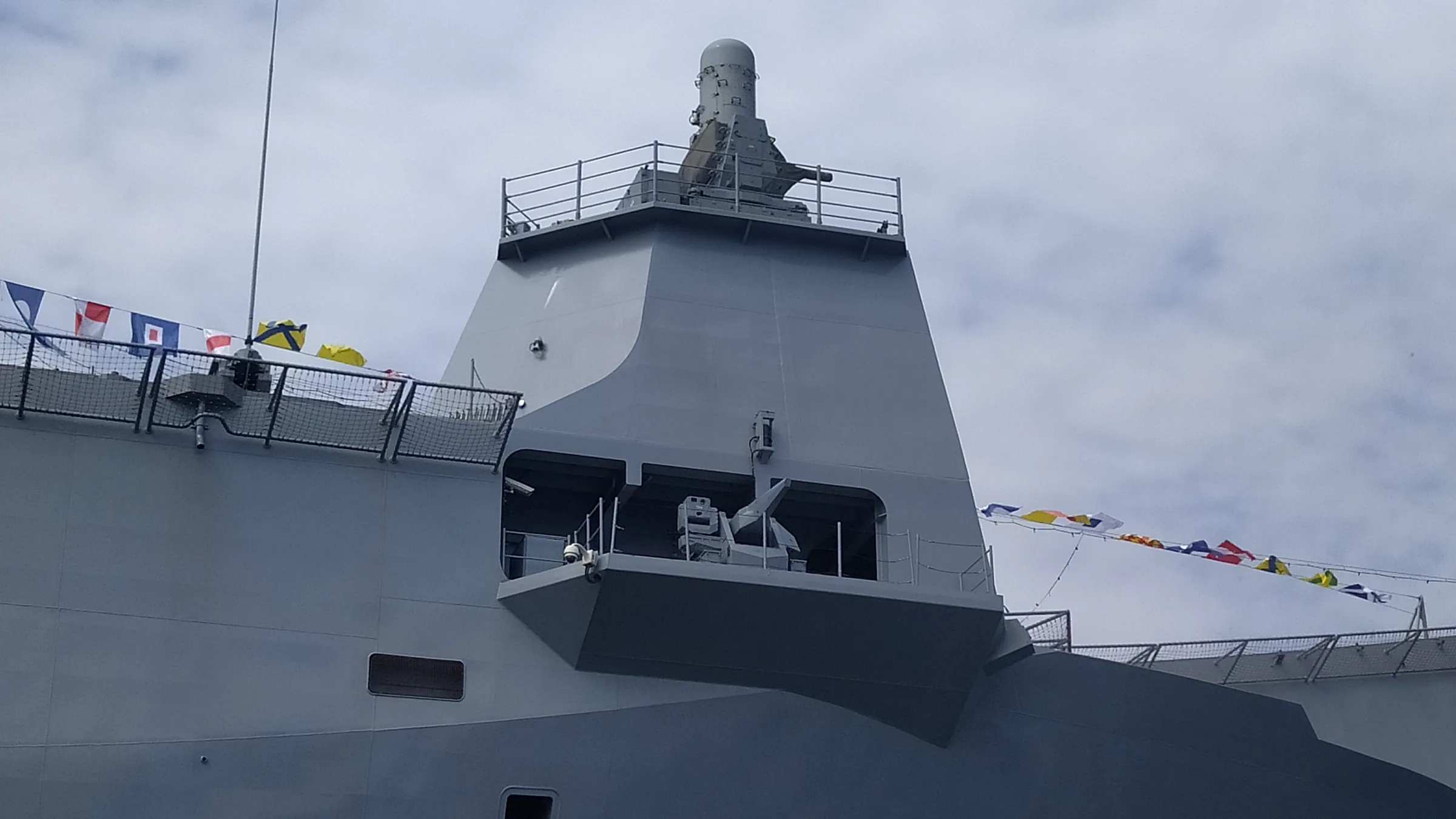
Turkey will ask its parliament for a mandate to send military personnel to Saudi Arabia under its joint defence pact with Saudi Arabia and Pakistan, a lawmaker from the ruling AK Party told Reuters on Wednesday, according to The Express Tribune.
The lawmaker, who spoke on condition of anonymity, said the mandate would go to parliament once a bill ratifying the agreement has been approved.
Defensive roles only
The AKP lawmaker said no Turkish troops deployed to other countries under the pact would take part in offensive operations. Technical personnel and experts would be sent first to help with air defences, electronic warfare technologies and other defensive support.
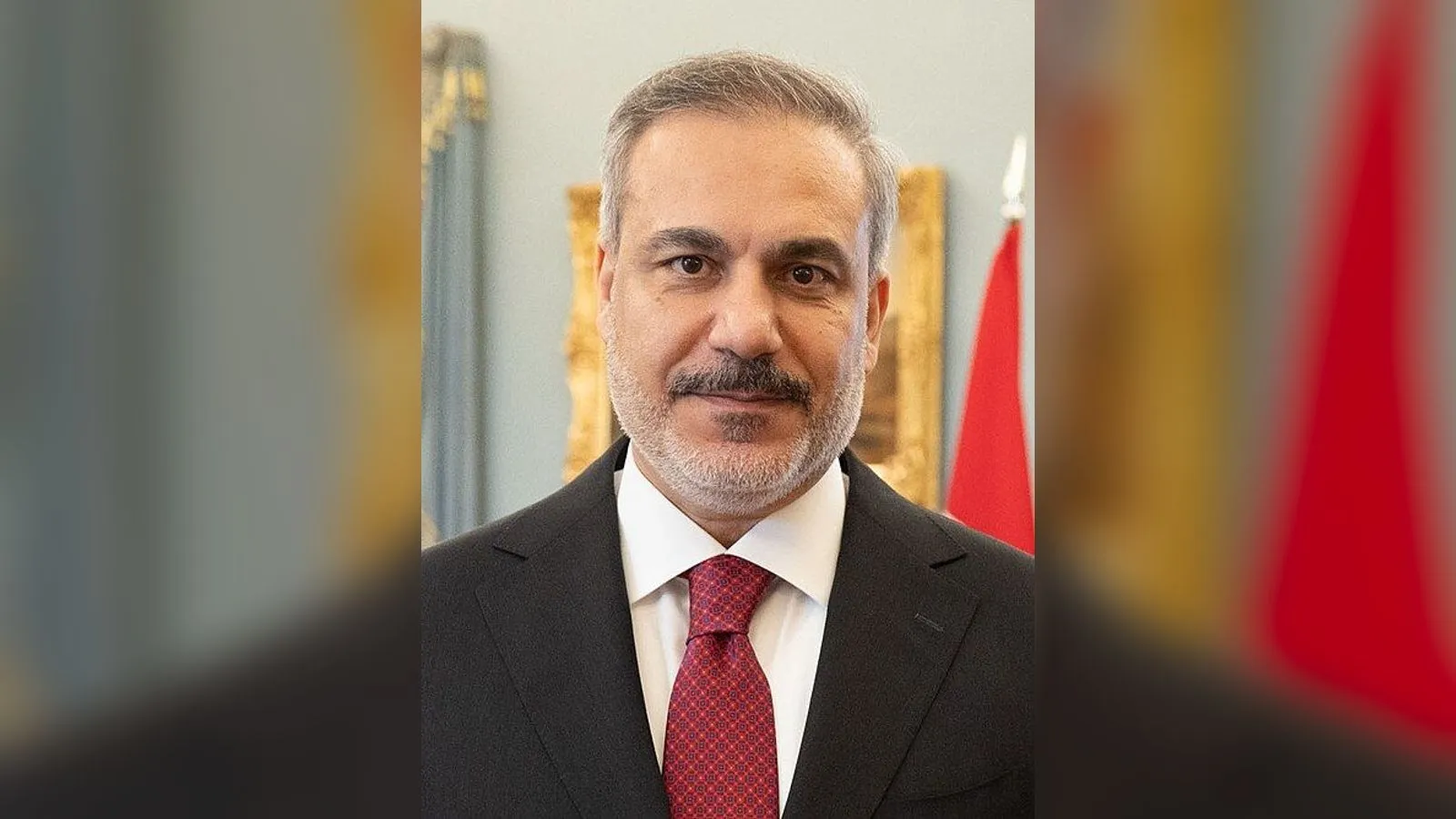
That is a step beyond what two officials told Reuters earlier, when they said Turkey’s contribution was expected to be limited to military equipment, intelligence sharing and weapons systems, and that no other form of deployment had taken place under the alliance so far. Turkish Foreign Minister Hakan Fidan has said that the Makkah agreement is not an “offensive agreement” and that Turkey would not send troops to another country to attack its territory. Turkey has also agreed to join a Saudi-led coalition to ensure navigation safety in the Red Sea, and it has condemned the Houthi attacks on Saudi Arabia.
Under Turkey’s constitution, deploying troops abroad needs separate parliamentary authorisation, whatever an international agreement says. That is why a mandate is needed even after the pact is ratified.
What the pact says
Turkey submitted the Makkah Joint Defence Agreement to parliament for ratification on Tuesday, Dawn and Geo News reported. The three countries signed it in August. According to the text seen by Reuters:
- Collective defence: an armed attack on one member is treated as an attack on all, in a clause similar to Nato’s Article 5 that refers to Article 51 of the UN Charter.
- “All necessary means”: the first article commits the parties to use all necessary means to remove threats to one another’s territorial integrity, sovereignty or internationally recognised borders.
- Scope of help: the three countries will decide the scope and nature of support after an objective assessment of what is needed, using their available resources, including military capabilities.
- Duration: the pact has no end date, and none of the three can withdraw during the first 10 years after it enters into force. After that, a party must give at least three months’ written notice.
- Other areas: the agreement also covers defence industry cooperation, intelligence sharing, logistics, joint training, research, and the fight against “all means of terrorism”.
At an emergency meeting in Riyadh earlier this month, the three countries agreed to ensure the “rapid deployment” of military forces and capabilities in Saudi Arabia as Houthi attacks continued, Reuters reported.
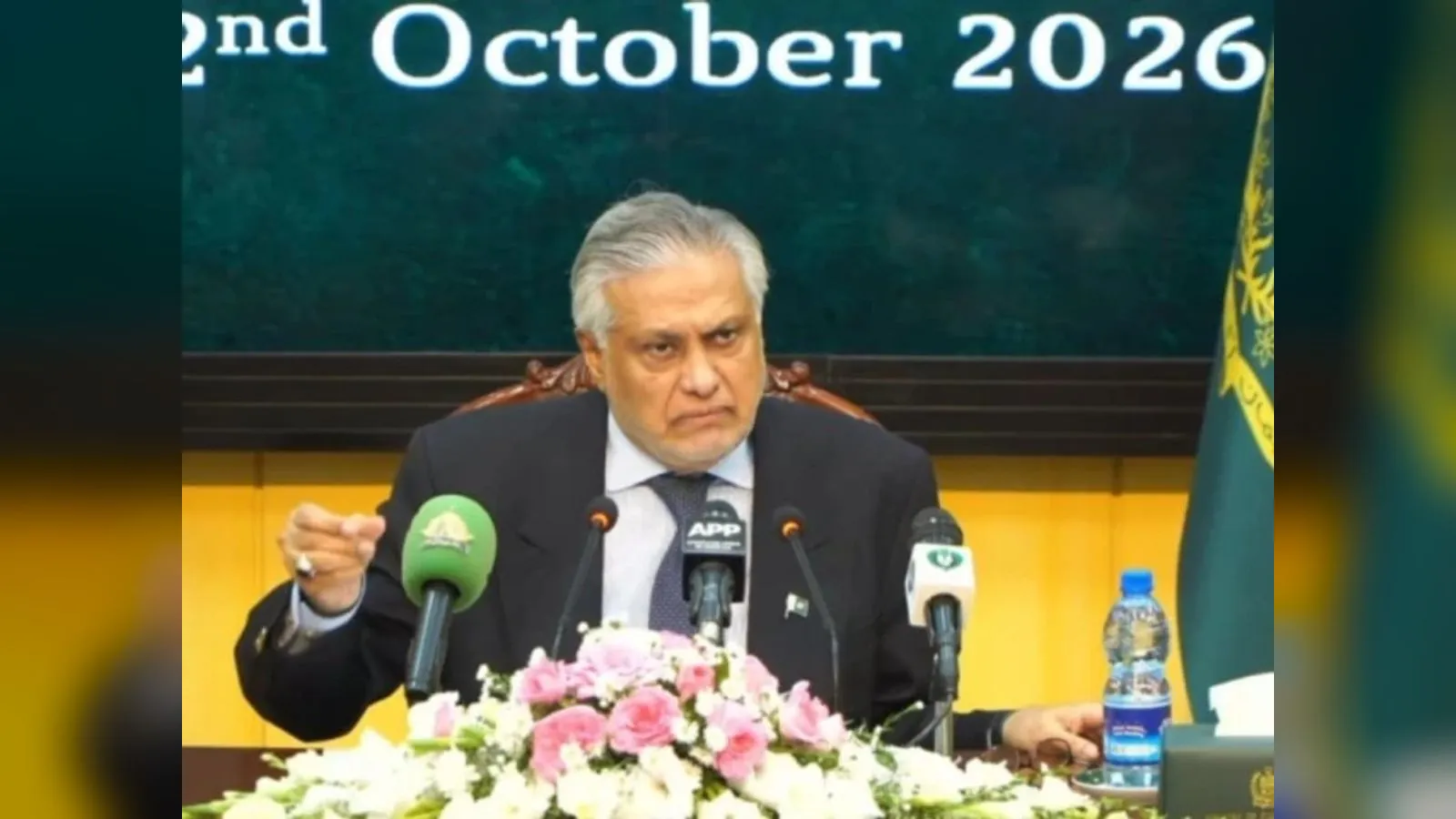
Dawn reported that Parliament Speaker Numan Kurtulmus is expected to refer the agreement to the foreign affairs committee on his return from Kyrgyzstan, and that the committee could debate it as early as Friday. Presidential communications director Burhanettin Duran called the move an important milestone in institutionalising strategic cooperation among the three countries. Pakistan has already ratified the treaty, Dawn said, citing official sources, because it follows an executive-led system in which federal government approval is enough.
Attacks continue, Egypt weighs in
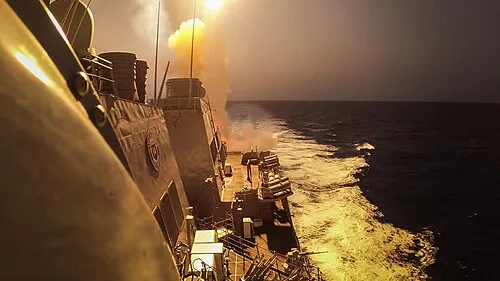
The Saudi-led coalition said early on Wednesday that it intercepted and destroyed four drones launched towards Saudi Arabia, in the Madinah and eastern regions. The Houthis’ military spokesperson said the group had not launched drones towards Madinah, though he said it later fired a ballistic missile at a coalition operations room in Aden, Al Jazeera reported.
Egypt, which is not part of the Makkah alliance, is due to vote in parliament on October 26 on authorising possible military support for Saudi Arabia.
Defence industry talks in Doha
Separately, Pakistan, Turkey, Qatar and Indonesia were due on Wednesday to sign a memorandum on defence industry cooperation in Doha, Turkey’s Defence Industries Secretariat said. It is meant to build on existing projects and move beyond selling equipment to joint production, technology transfer and supply chains. The Tribune noted that the Babur-class corvette project is the leading example of Turkish-Pakistani cooperation, with two of four vessels built at Karachi Shipyard.
Why it matters
The announcement shows how quickly the pact is moving from a signed text to concrete steps. For Pakistan, which has committed to defend Saudi Arabia, Turkish help with air defence could ease pressure on the alliance, but the case also underlines how closely the three countries are now tied to a conflict in Yemen. Read our report on the full text of the Makkah pact.
This article draws on reporting by The Express Tribune, Reuters, Dawn, Geo News and Al Jazeera.
Comments
Comments are reviewed by our editors before they appear. Please keep them civil and on topic. See our terms.
No comments yet. Be the first to share your view.