
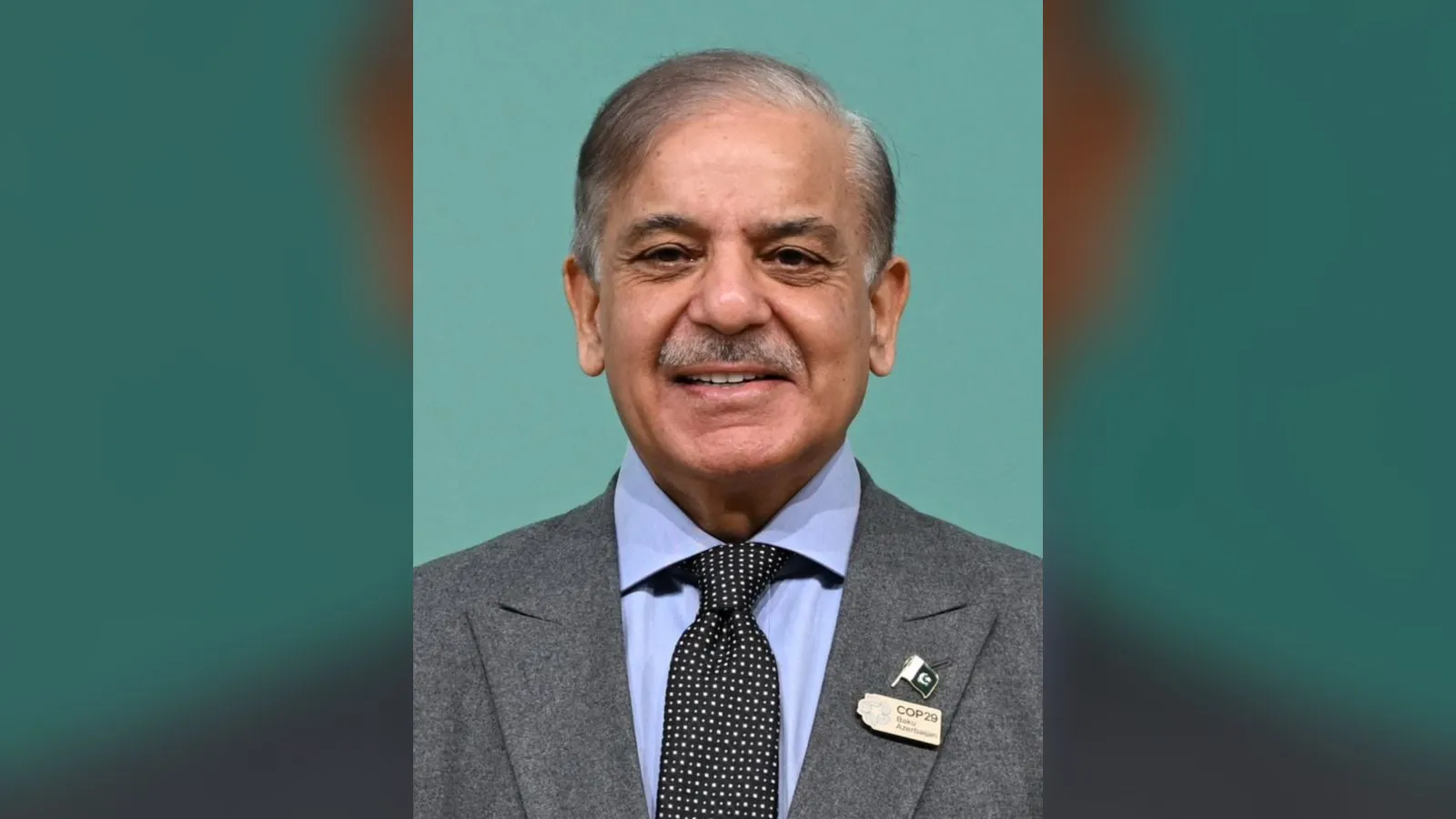
Prime Minister Shehbaz Sharif is in the Turkish resort city of Antalya, where he is representing Pakistan at the leaders’ segment of the COP31 climate conference. He arrived on Tuesday night, and on Wednesday, Pakistan TV reported, he was received at the summit by President Recep Tayyip Erdogan and UN Secretary-General Antonio Guterres and joined other leaders for a group photograph.
What Pakistan plans to say
According to the Prime Minister’s Office and the Foreign Office (FO), Mr Sharif will use his speech to press for stronger global climate action and closer cooperation to cope with climate impacts. The FO said he will also:
- present Pakistan’s push for rapid solarisation and expansion of renewable energy as part of its move to a cleaner economy;
- point to the country’s work to strengthen disaster preparedness and early-warning systems; and
- call for “predictable, adequate and accessible” climate finance for developing countries.
He was due to speak at a high-level dialogue on clean energy and electrification, called “35 by 35: Powering the Future”, scheduled for 3pm local time (5pm in Pakistan). That session is linked to the host Turkiye’s proposal to raise the share of electricity in global energy use to 35 per cent by 2035. He is also to hold bilateral meetings with President Erdogan and other leaders. The PMO said a “Pakistan Pavilion” at the venue will host 54 events on various themes.
Talks with Iran’s president
On the sidelines, Mr Sharif met Iranian President Masoud Pezeshkian. The government said they would discuss bilateral relations and cooperation, and the regional situation and issues of peace and stability. Pakistan is one of the countries that has been trying to help end the war between the United States and Iran, as we reported when Trump said renewed fighting was highly unlikely. No details of what was agreed had been released at the time of the report.
The mood in Antalya
The summit’s third day opened with a stark message. Mr Guterres warned that the climate crisis is “outrunning us” and called the current path one of “mutually assured destruction”, adding that the science calls for fighting harder, not giving up. Roughly three-quarters of humanity, he noted, live in fossil-fuel importing countries exposed to price shocks they did not cause, a nod to the oil spike since the Iran war began.
Negotiators from nearly 200 countries are trying to agree a plan to raise the share of electricity in energy use and to revive stalled efforts to move away from fossil fuels. Critics of the electrification target say it does not require new power to come from clean sources.
Several things are missing from the room. The United States, the largest historical emitter, has skipped the talks for the second year running after President Donald Trump withdrew from climate cooperation. France, Germany, Japan, Italy and Canada did not send their top leaders. Reuters noted that 2026 has brought extreme European heatwaves and a glacier collapse in Nepal whose flood killed more than 1,450 people. We reported on how COP31 opened with a row over climate finance.
Why it matters for Pakistan
The prime minister’s main task is to turn Pakistan’s experience of floods and heat into a case for money. The country contributes little to global emissions yet bears heavy costs. This week brought two reminders: the ADB’s approval of up to $500 million in disaster financing and a UN assessment of heatwave damage to farming in Punjab.
Speeches are the easy part. Whether COP31 produces new adaptation money, which developing countries have demanded, is what will count when the conference ends.
What to watch
- What Mr Sharif says in his speech and whether he announces new commitments on solar and renewables.
- The outcome of his meetings with Mr Erdogan and other leaders.
- Whether the final COP31 deal includes the finance items developing countries wanted on the agenda.
Comments
Comments are reviewed by our editors before they appear. Please keep them civil and on topic. See our terms.
No comments yet. Be the first to share your view.