

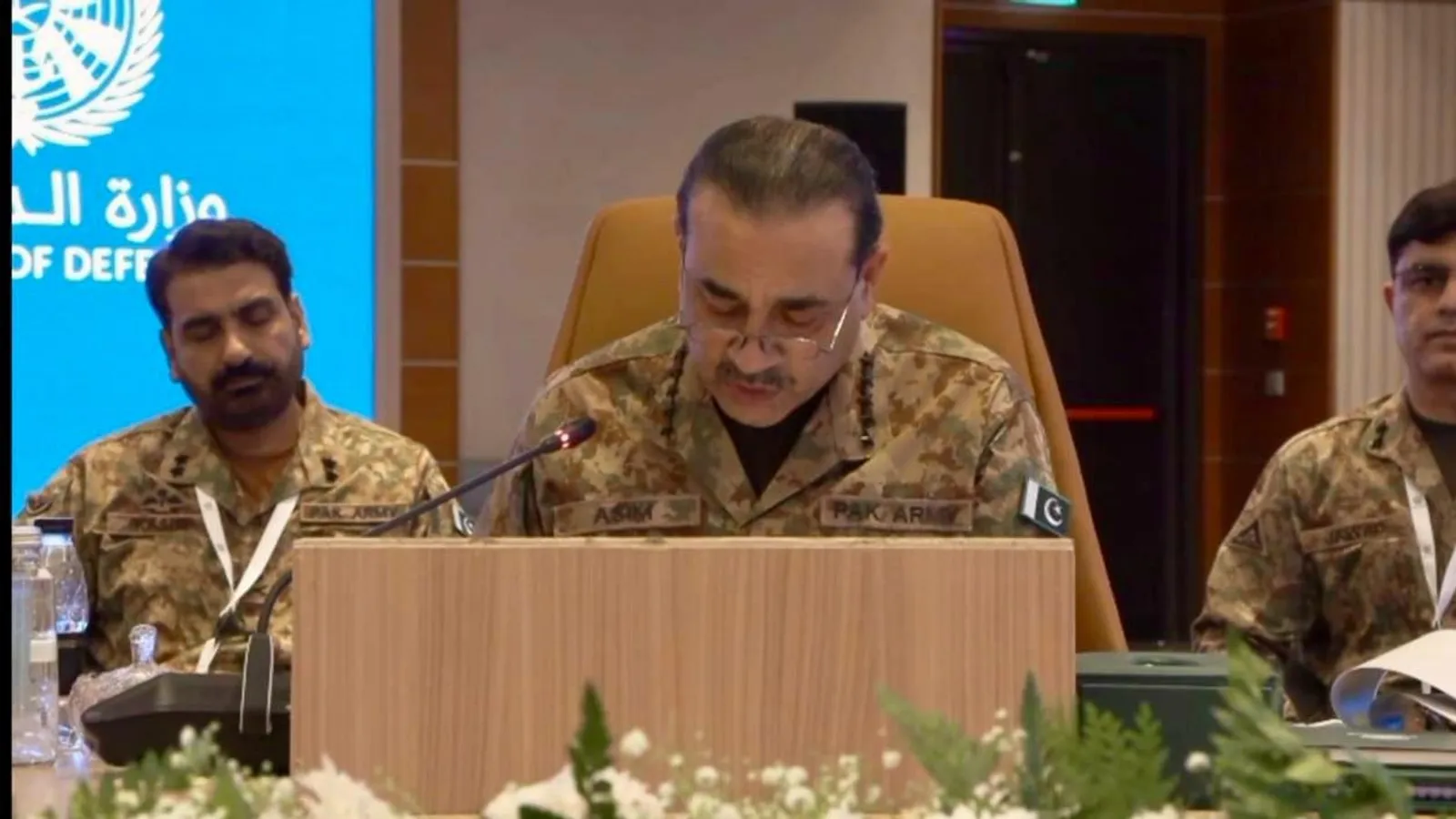
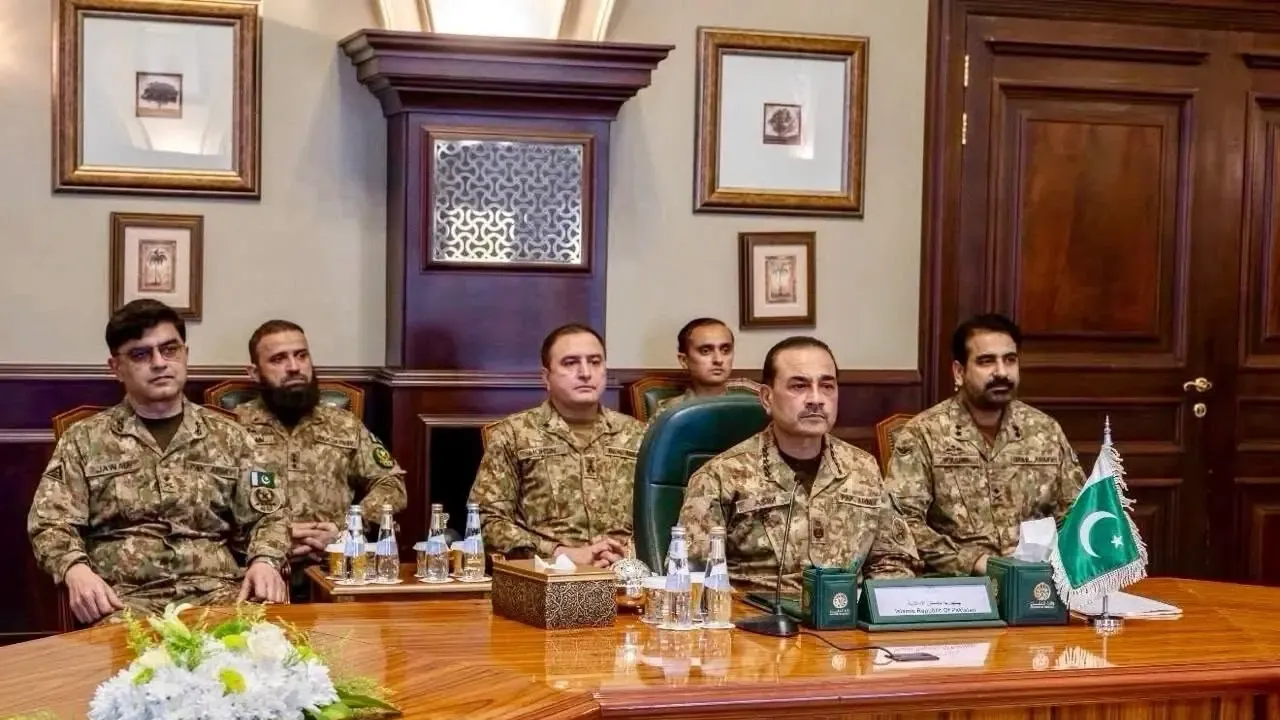
Pakistan, Saudi Arabia and Turkiye have agreed to put their new defence alliance into action, deciding to rapidly deploy agreed military forces and capabilities in the kingdom, and naming a Pakistani general as the alliance’s first secretary general.
The decisions came at an emergency meeting of the Strategic Political and Defence Committee of the Makkah Joint Defence Agreement in Riyadh on Monday, convened to address threats facing Saudi Arabia, the Foreign Office said in a joint statement.
“Rapid deployment” in the kingdom
The committee decided “to move immediately to the practical implementation of the collective defence commitments”, Dawn reported, and to “take the necessary measures to provide the agreed military forces and capabilities and ensure their rapid deployment in the kingdom”.
The deployment will follow approved arrangements and the national laws of the three countries, the statement said, with the aim of improving readiness, military integration and the allies’ joint capacity to counter threats.
The three countries said the security of each member is “an integral part of the collective security of the three countries”, and that turning the pact into practical steps “strengthens the effectiveness of deterrence”.
A Pakistani at the helm
As part of building the alliance’s institutions, the committee appointed Lieutenant General (retd) Nauman Mahmood of Pakistan as its first secretary general, for a three-year term. The parties “expressed their confidence in his contribution to advancing the alliance and achieving its objectives”, the statement said.
Who was in the room
Pakistan was represented by:
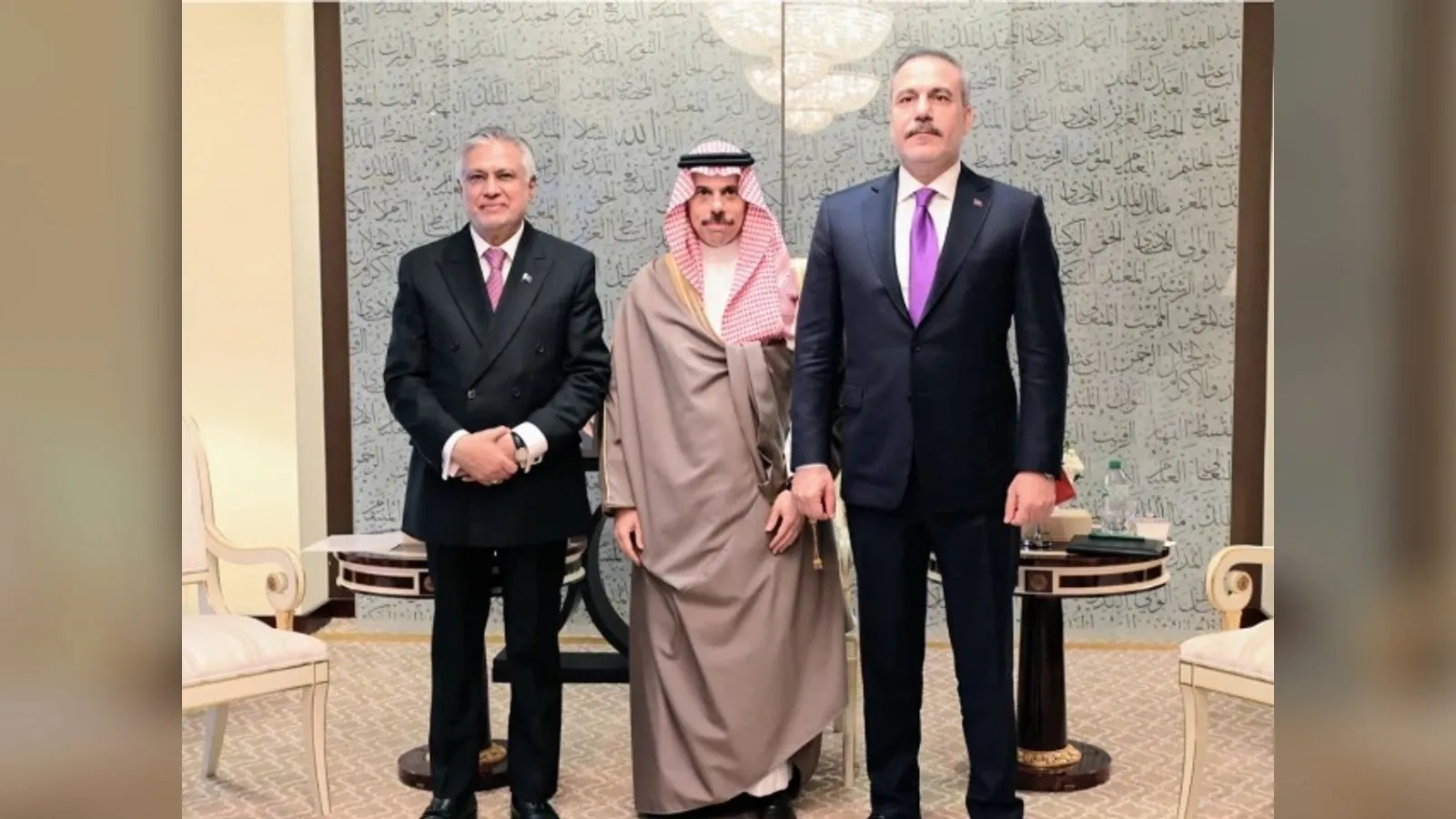
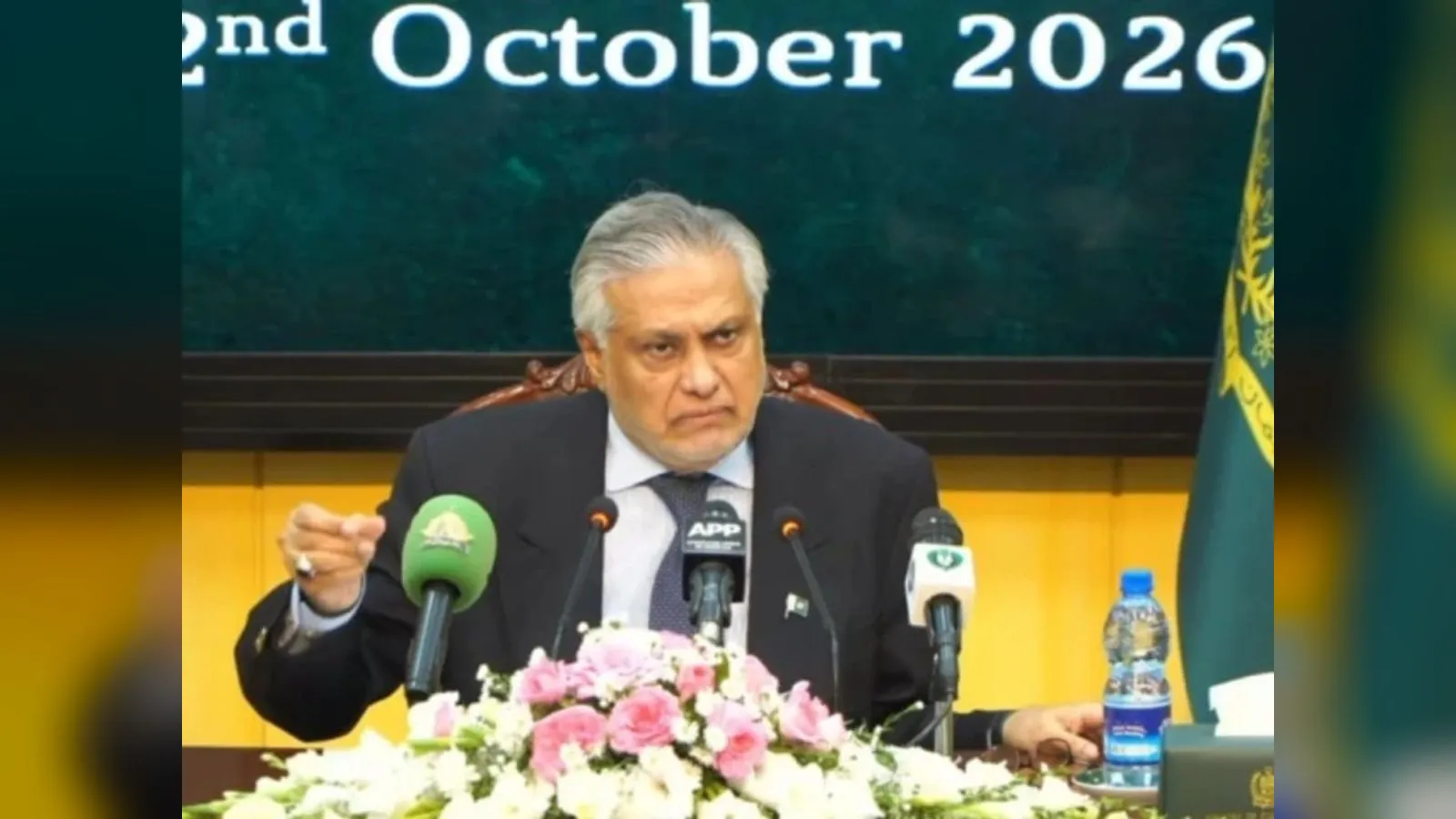
- Ishaq Dar, Deputy Prime Minister and Foreign Minister
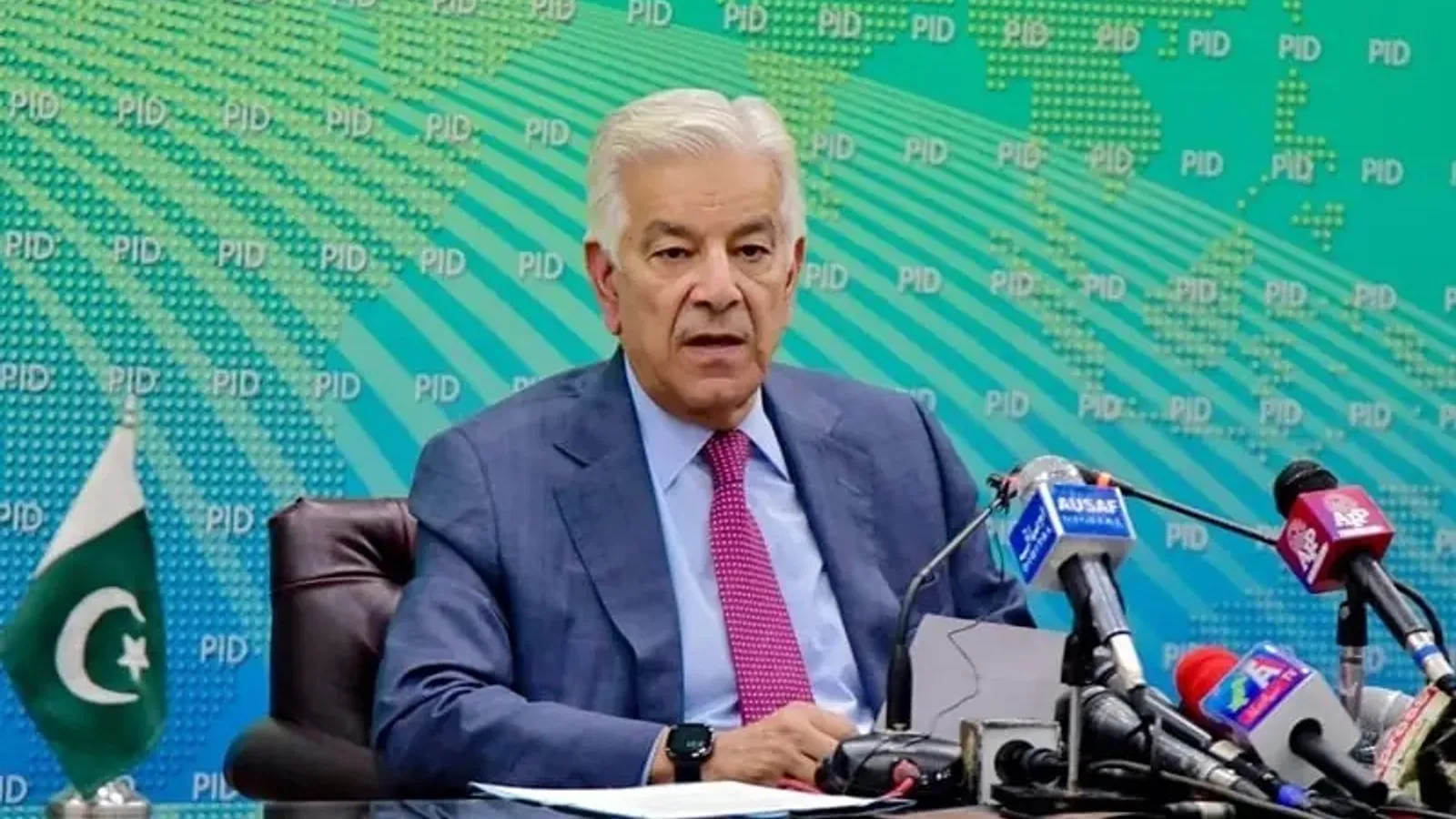
- Khawaja Asif, Defence Minister
- Field Marshal Asim Munir, Chief of Army Staff and Chief of Defence Forces
They were joined by the foreign and defence ministers and chiefs of general staff of Saudi Arabia and Turkiye.
Condemning attacks on the holy cities
The three countries condemned “in the strongest terms” the attempted targeting of Makkah and Madina, and the continuing attacks on Saudi cities and civilian and economic facilities. Pakistan and Turkiye praised the “vigilance and readiness” of the Saudi armed forces.
Last week, the Saudi-led coalition said the Houthis had attacked a power station in Madina that supplies electricity to the Prophet’s (PBUH) Mosque.
Pakistan’s role
Speaking to Geo News, Khawaja Asif said Pakistan and Turkiye already had a “presence in theatre”, but only Saudi troops were in combat. “Whatever assistance they require is being provided. But right now, the Turkish and Pakistani armies are playing a supportive role,” he said, adding that Pakistan was involved in reconnaissance. He said the meeting had formalised the alliance’s organisational structure.
The war on the ground
The meeting came as Yemen’s Saudi-backed government launched a major offensive to retake territory seized by the Houthis, who took Yemen’s Red Sea coast and the Bab el-Mandeb Strait in a lightning advance last month. By Monday night, government forces said they had reached the port city of Mocha.
How the pact grew
- August 7: Pakistan, Saudi Arabia and Turkiye sign the Makkah pact; an attack on one is an attack on all
- September 18: the ISPR chief says Pakistan will go to “any extent” to defend Saudi Arabia, calling its commitment “unconditional”
- September 25: the three military chiefs hold urgent talks in Riyadh after Houthi attacks
- October 5: the allies agree rapid deployment and appoint a secretary general
Why it matters
The decision moves the alliance from commitments on paper to forces in the kingdom. For Pakistan, leading the pact’s secretariat and standing with Saudi Arabia in defence of the two holy mosques reflects both its military weight and its deep bond with the kingdom. Read our reports on the Riyadh meeting and on Yemen’s advance on Mocha.
This article draws on reporting by Dawn, Geo News and a Foreign Office statement.
Comments
Comments are reviewed by our editors before they appear. Please keep them civil and on topic. See our terms.
No comments yet. Be the first to share your view.