

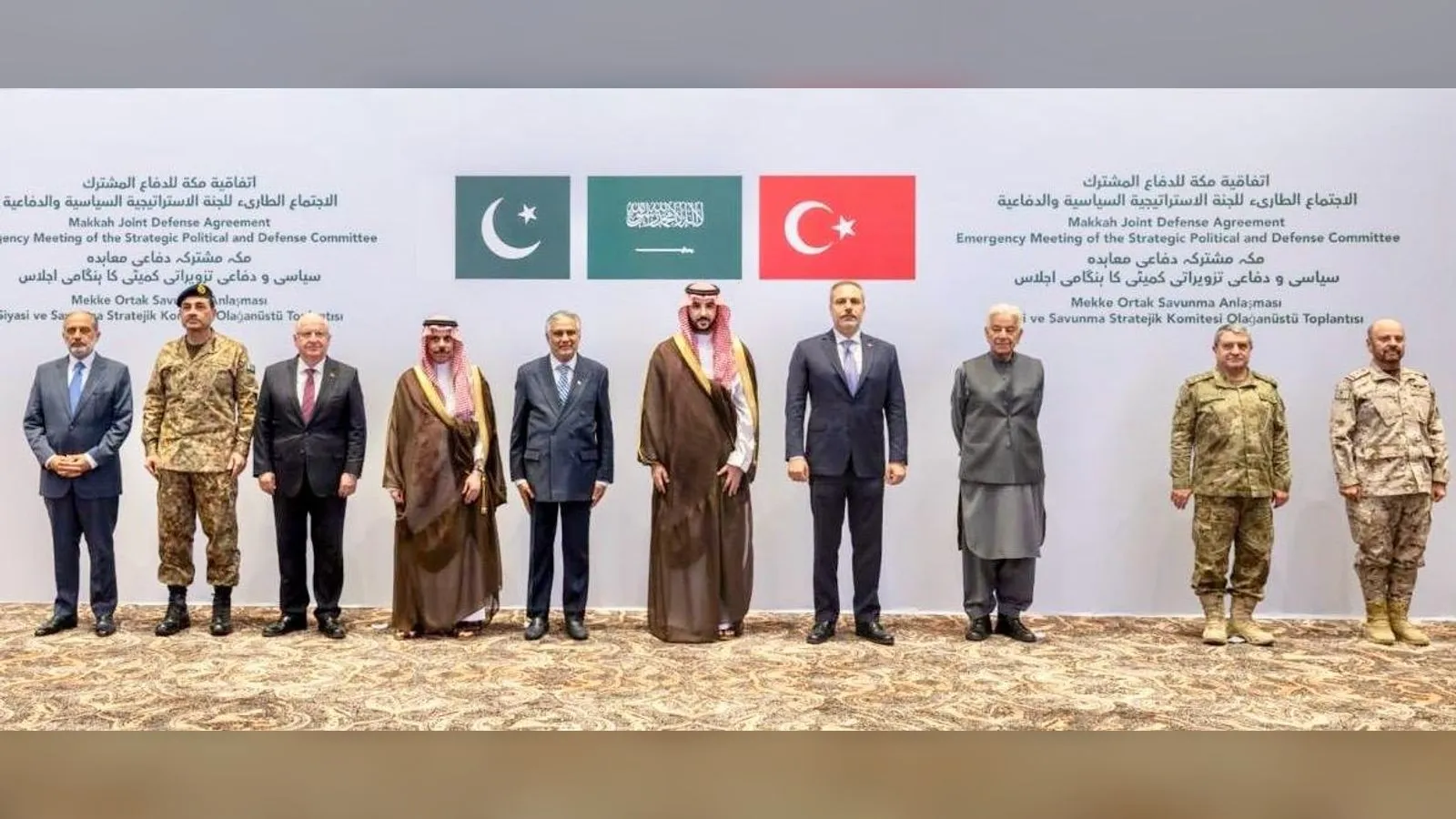
Pakistan’s Ministry of Information and Broadcasting on Tuesday rejected a Reuters report on the Makkah Joint Defence Agreement as “speculative”, saying operational details of how the alliance’s collective deterrence is carried out are confidential.
Pakistan’s position
“Having taken note of speculative reports by Reuters on the Makkah Joint Defence Agreement, it is reiterated that Pakistan has already made Pakistan’s commitment to the security of Haramain Sharifain and KSA abundantly clear, which is non-negotiable,” the ministry said in a fact-check statement, The Express Tribune reported.
The ministry urged people not to rely on “highly speculative reports based on non-attributable and unknown sources”. It said Reuters should refer to official statements from the Foreign Office and other authorities, and that “queries, if any, may be referred to them instead of coming out with invented numbers and details”.
What Reuters claimed
The statement followed a Reuters report on October 2 which claimed, citing an unnamed Pakistani official, that Pakistan had deployed between 30,000 and 40,000 troops to Saudi Arabia to help defend its land borders and intercept drones and missiles. The same report said Islamabad had not decided to send troops into Yemen in a fighting role. Pakistan has not confirmed any figures.
What has been officially said
The official record is set out in statements from the government and the alliance:
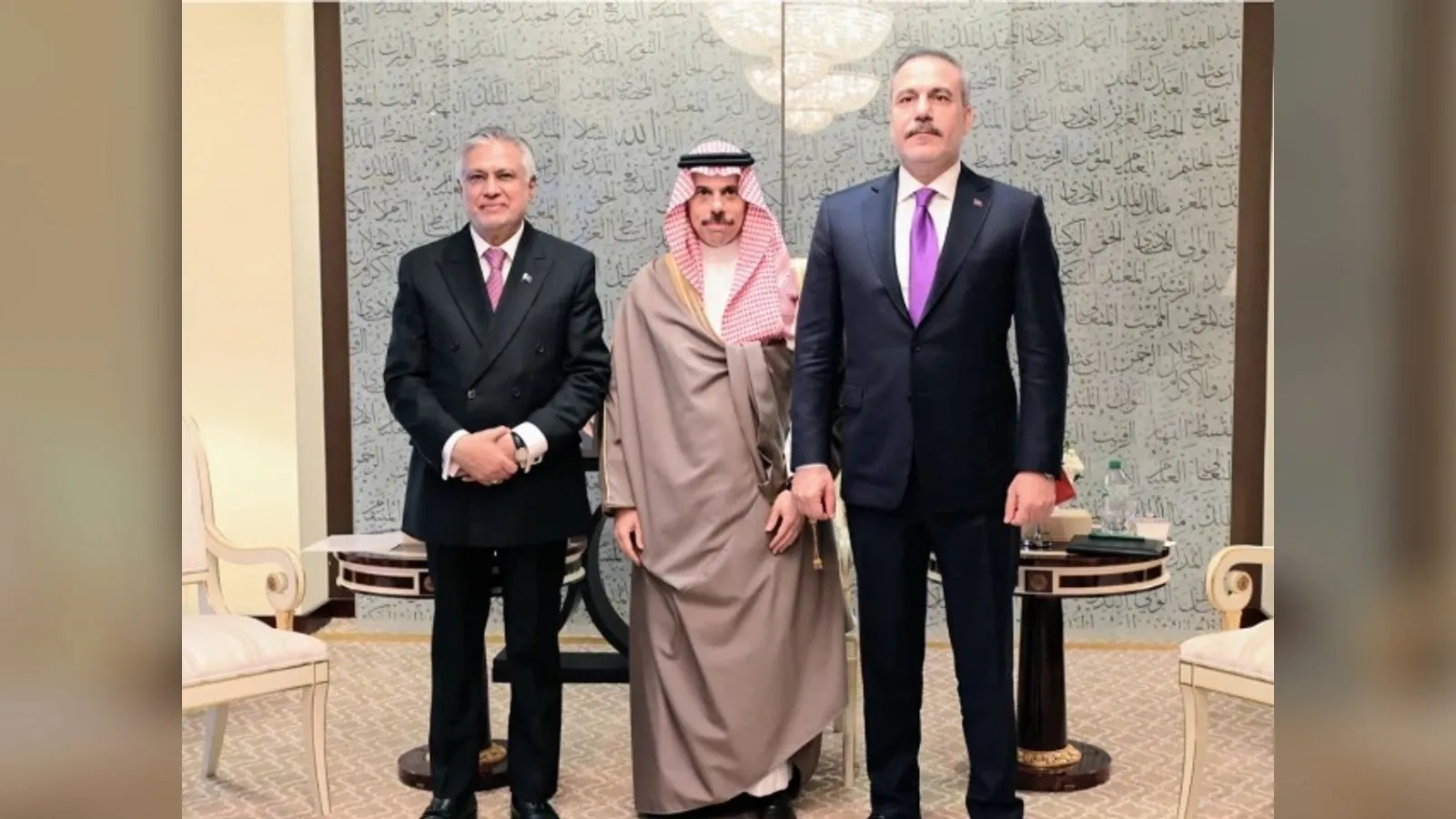
- October 5: at an emergency meeting in Riyadh, Pakistan, Saudi Arabia and Turkiye agreed to move “immediately” to implement their collective defence commitments and ensure the “rapid deployment” of agreed forces and capabilities in the kingdom, in line with approved arrangements and each country’s laws
- The same meeting: Pakistan’s Lieutenant General (retd) Nauman Mahmood was named the alliance’s first secretary general
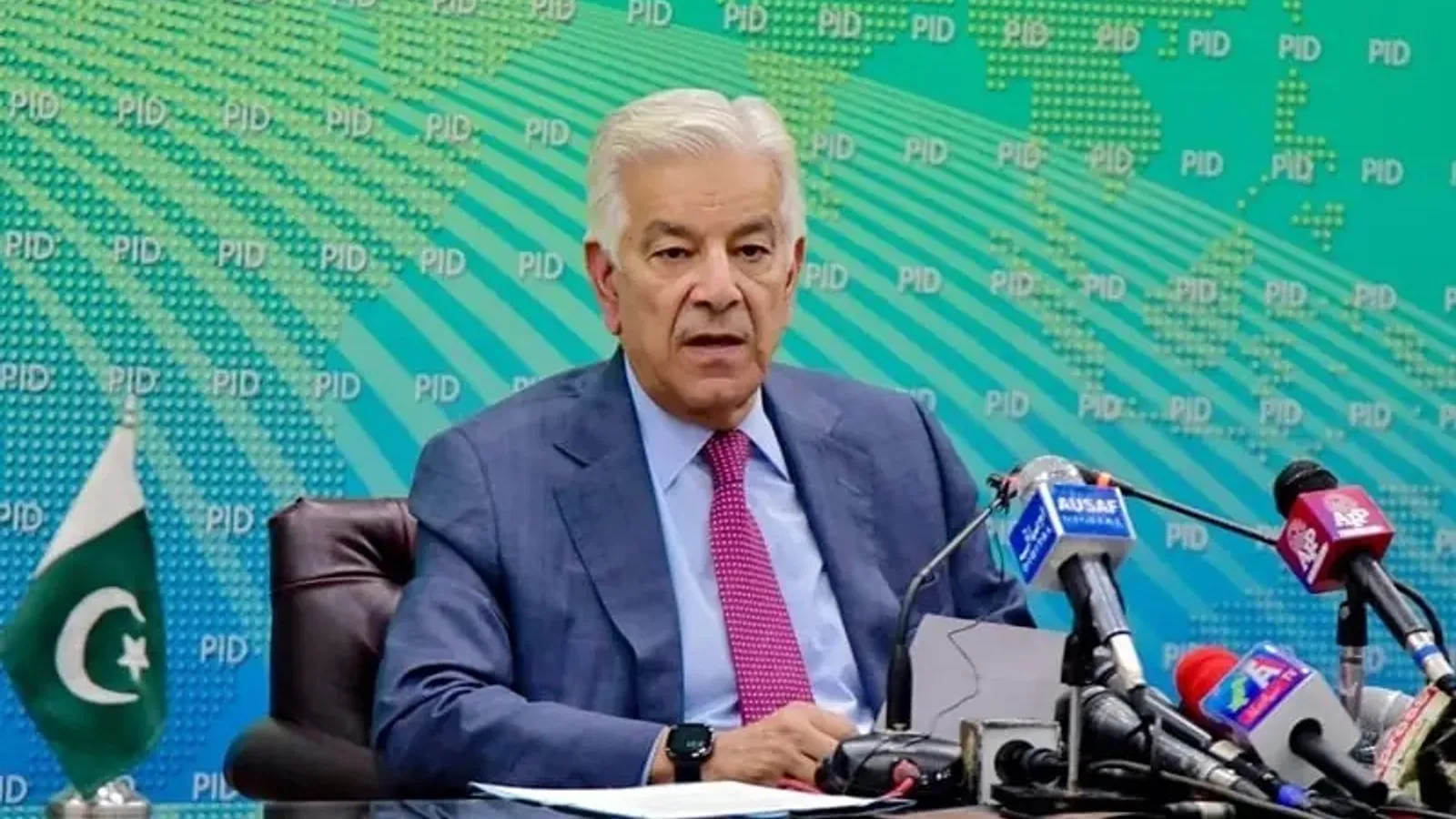
- Khawaja Asif: the defence minister told Geo News that Pakistan and Turkiye have a “presence in theatre” in a supportive role, including reconnaissance, while only Saudi troops are in combat
A commitment rooted in faith
Pakistan’s leaders have repeatedly described the defence of Saudi Arabia and the two holy mosques as a sacred duty:
- September 25: the military leaders of the three countries condemned attacks targeting Makkah and reaffirmed their collective defence commitment
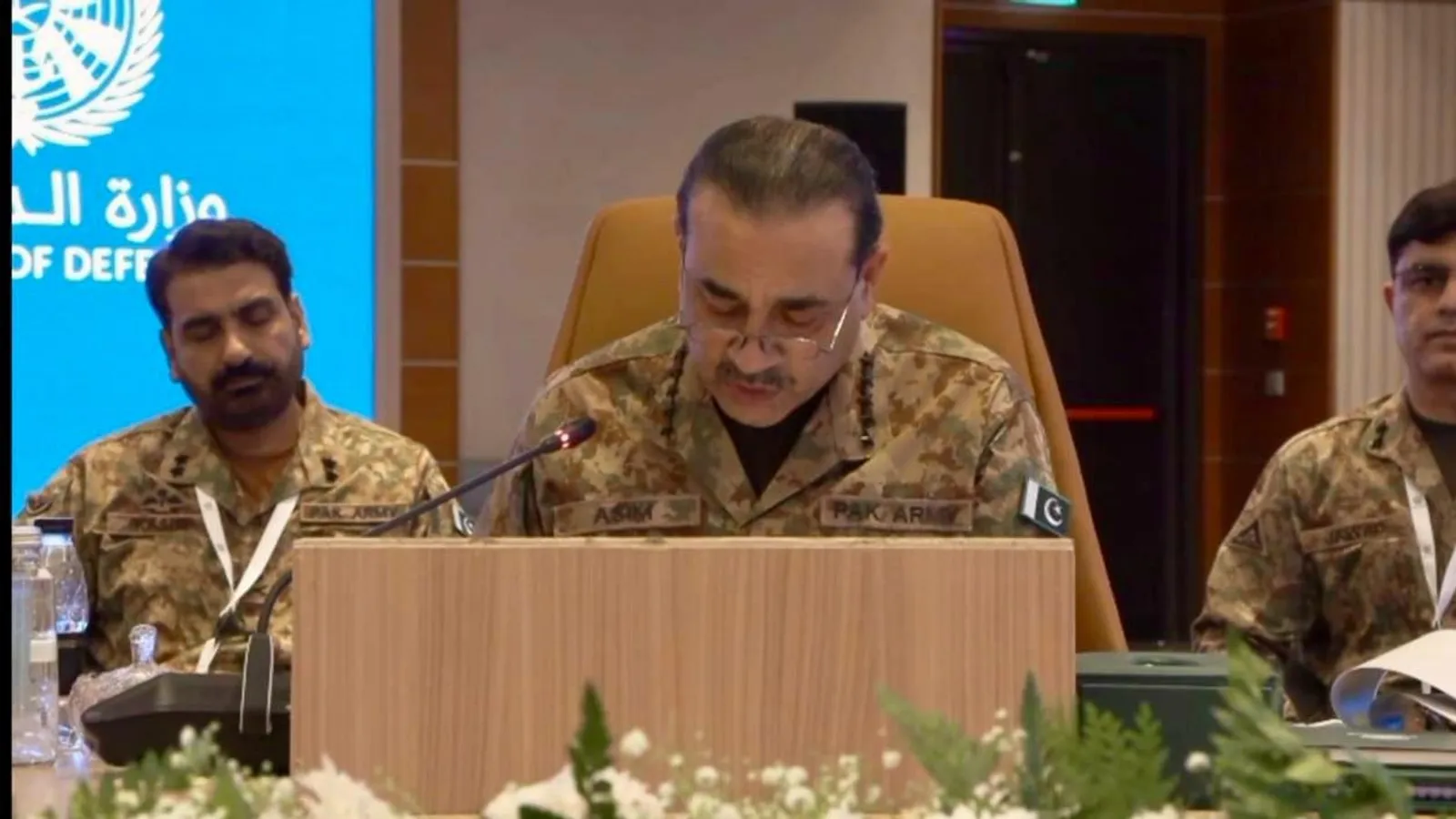
- September 26: Saudi Defence Minister Prince Khalid bin Salman met Field Marshal Asim Munir and reaffirmed joint efforts against attacks on Makkah and civilian targets
- September 27: Khawaja Asif said that even without an agreement, Pakistan was bound by “an eternal agreement” to protect the House of God and Madina
How the alliance was built
The Makkah pact, signed on August 7, treats an armed attack on any of the three countries as an attack on all. For Pakistan and Saudi Arabia, it builds on their Strategic Mutual Defence Agreement of September 2025, which said “any aggression against either country shall be considered an aggression against both”.
The alliance has moved quickly as the Houthis, who have attacked Saudi Arabia repeatedly since the Yemen war escalated in 2015, stepped up missile and drone strikes on Saudi cities and energy sites in recent weeks.
Why it matters
Troop numbers and deployments are sensitive military information, and Islamabad’s message is that only official statements should be treated as fact. At the same time, the government left no doubt that Pakistan’s commitment to the kingdom and the Haramain is firm. Read our report on the alliance’s rapid deployment decision.
This article draws on reporting by The Express Tribune, Dawn and Geo News.

Comments
Comments are reviewed by our editors before they appear. Please keep them civil and on topic. See our terms.
No comments yet. Be the first to share your view.