

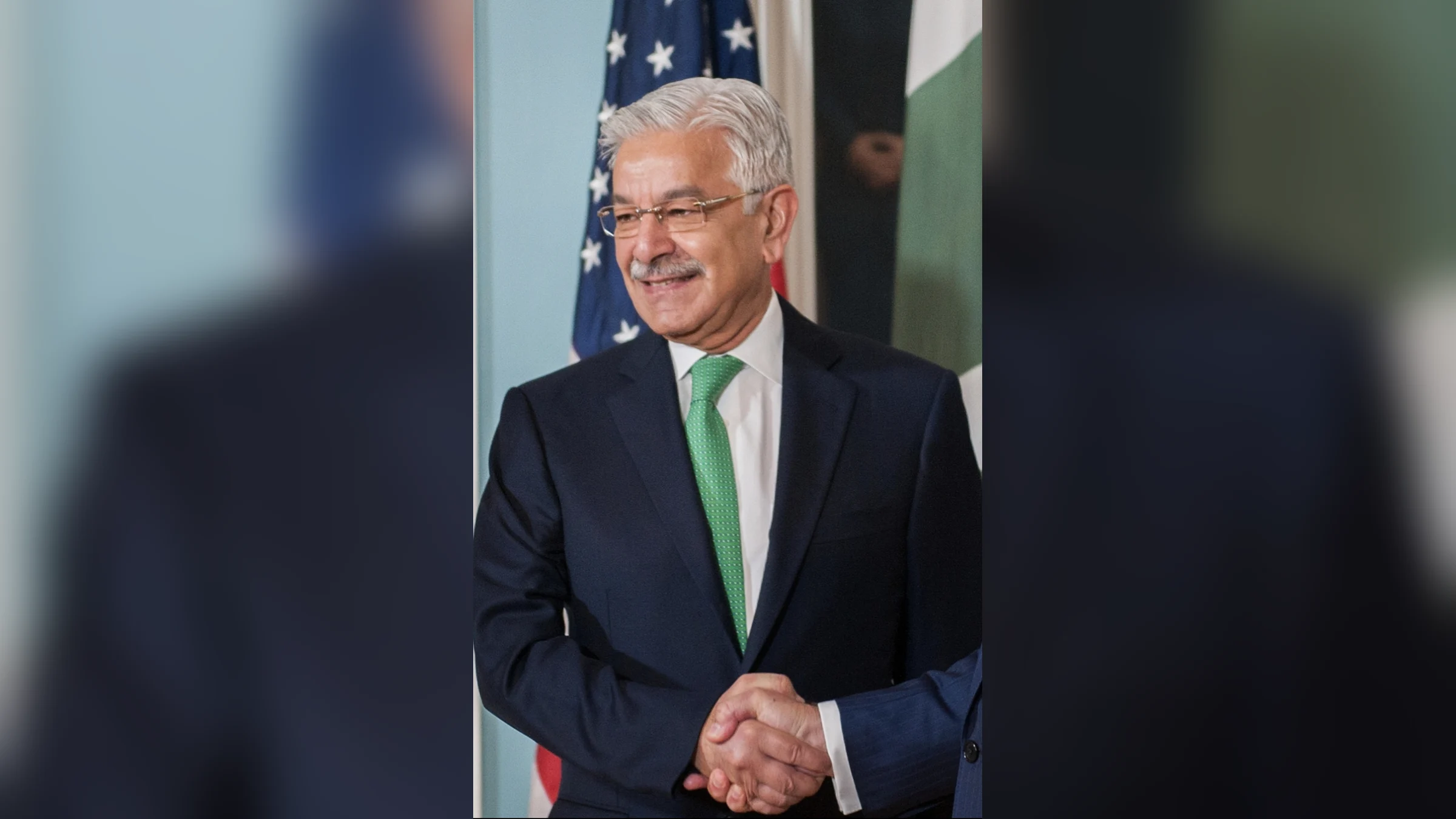
Pakistan, Saudi Arabia and Turkiye held their first high-level talks with Iran since signing the Makkah Joint Defence Agreement, meeting Iran’s leadership in Tehran on Monday, as Defence Minister Khawaja Asif said Pakistan would defend Saudi Arabia “with full force”, Geo News and The Express Tribune reported.
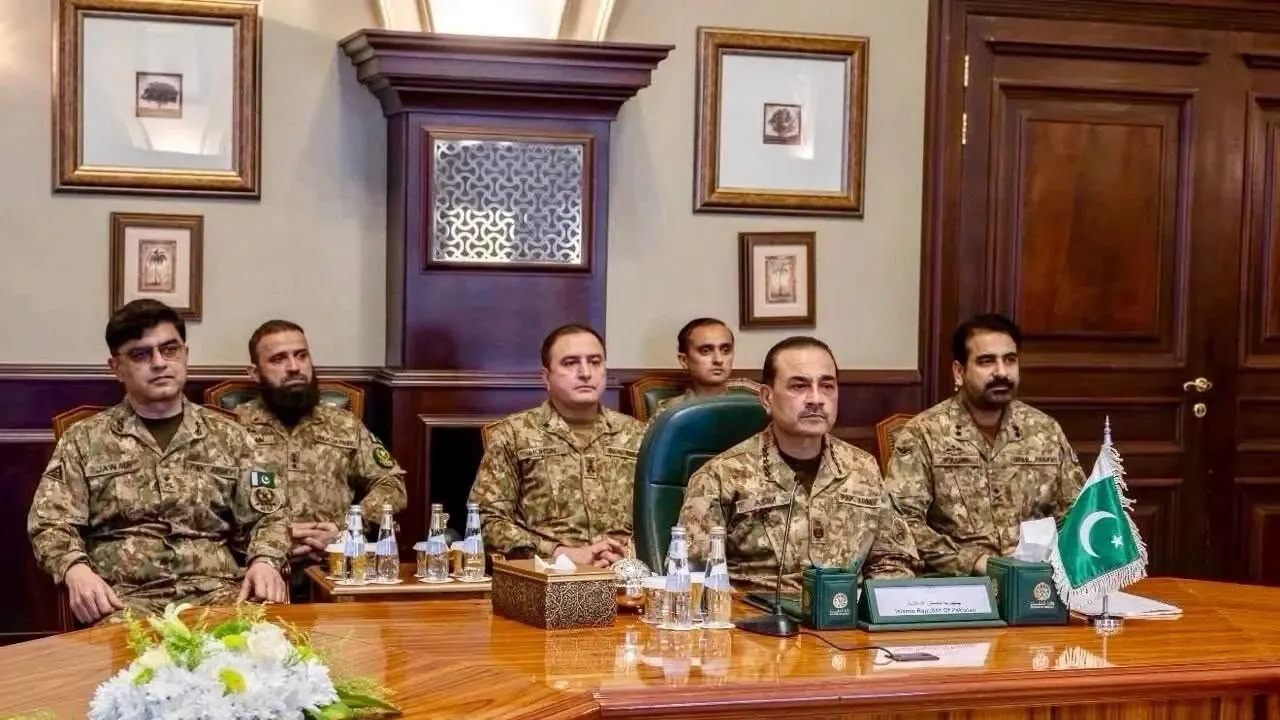
The Tehran meeting brought together Pakistan’s Chief of Defence Forces, Field Marshal Asim Munir, Saudi Defence Minister Prince Khalid bin Salman and Turkish intelligence chief Ibrahim Kalin. They met Iranian President Masoud Pezeshkian and Mohsen Rezaei, secretary of Iran’s Supreme National Security Council.
What came out of Tehran
According to Iranian state media, the four countries agreed to keep talking with a view to strengthening cooperation on peace and security.
“We concluded that West Asia’s security must be based on the countries of the region, and any external interference must be prevented,” Rezaei said after the meeting. He said the talks had created “a new, positive atmosphere” and that cooperation among the four “offers a way out of the crises facing the region”.
Iran’s Foreign Ministry spokesman Esmaeil Baghaei said the meeting could mark the start of a regional security framework rooted in the region.
Riyadh: open channels, avoid escalation
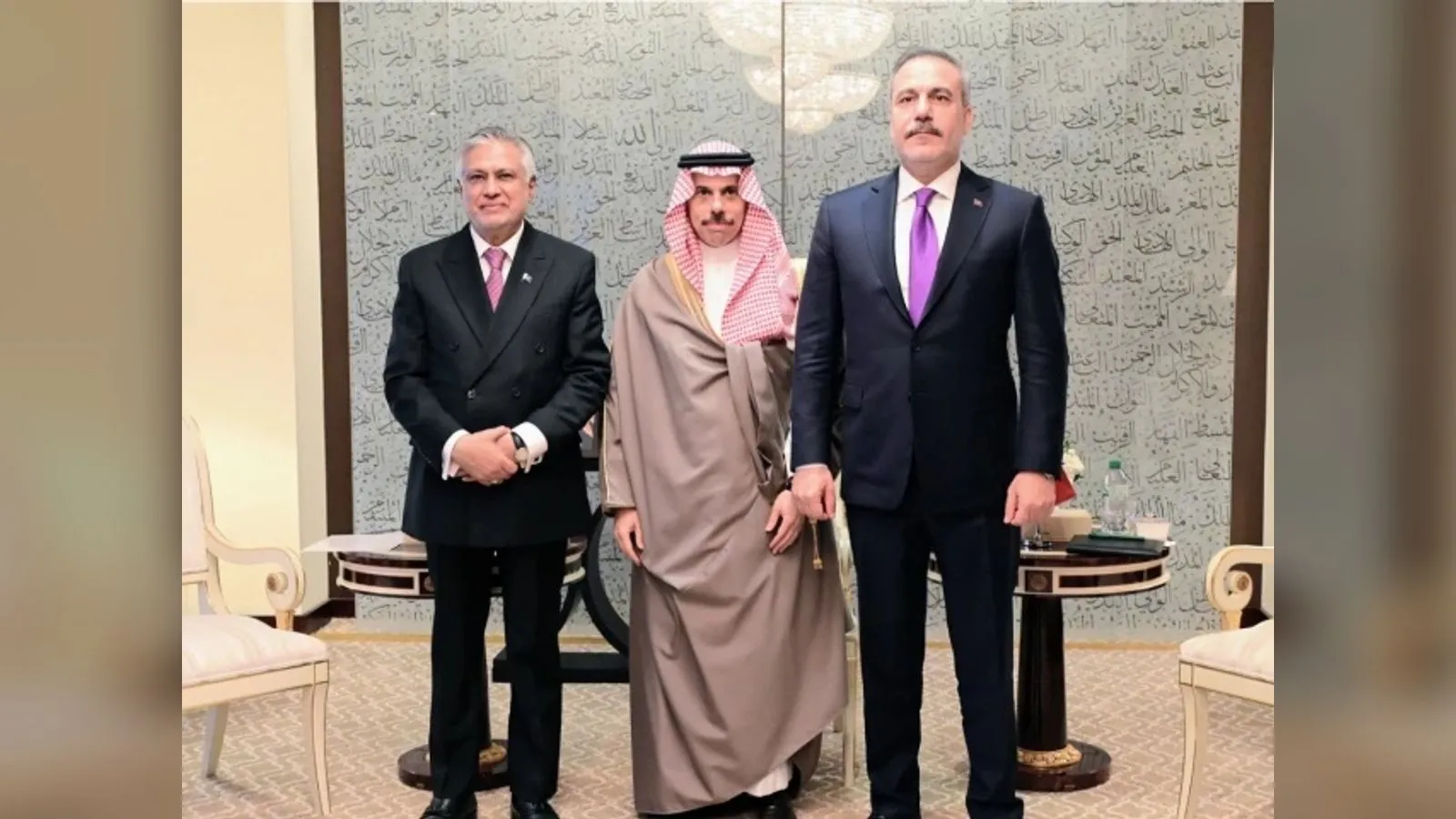
The Saudi Foreign Ministry said Prince Khalid’s visit was part of efforts to ease tensions and to support mediation by Qatar and Pakistan. It stressed the need to open “channels of negotiation to prevent a return to military escalation in the region”.
“The Kingdom looks forward to the positive and practical engagement of the parties to the crisis with the outcomes of this visit,” the ministry said.
Asif: “as important as defending Pakistan”
Speaking on Geo News, Khawaja Asif said the defence of Saudi Arabia mattered to Pakistan as much as its own. “Just as the defence of Pakistan is paramount, the defence of Saudi Arabia is equally paramount for us,” he said.
He said the three pact countries had made a written commitment to respond together to threats covered by the agreement. Asked whether the talks covered possible US action against Iran, he said that had “definitely” been discussed too.
Asif said he believed some progress had been made. “My view is that we have arrived at some sort of conclusion that can fulfil the requirements to stop this war,” he said, though he added that he remained “slightly guarded” until Iran and the other countries issued their statements.
Houthi attacks continue
The talks came as attacks on Saudi Arabia went on. The Saudi-led coalition said early on Tuesday that it had intercepted three ballistic missiles fired by the Houthis towards the Eastern Province, after shooting down three drones over the Riyadh region and southern Saudi Arabia on Monday. It also said it had struck Houthi missile launchers, storage tunnels and a depot in Yemen.
On Monday, the Houthis claimed drone attacks on Saudi Arabia’s East-West oil pipeline pumping stations and on King Khalid International Airport in Riyadh.
Background: the Makkah pact
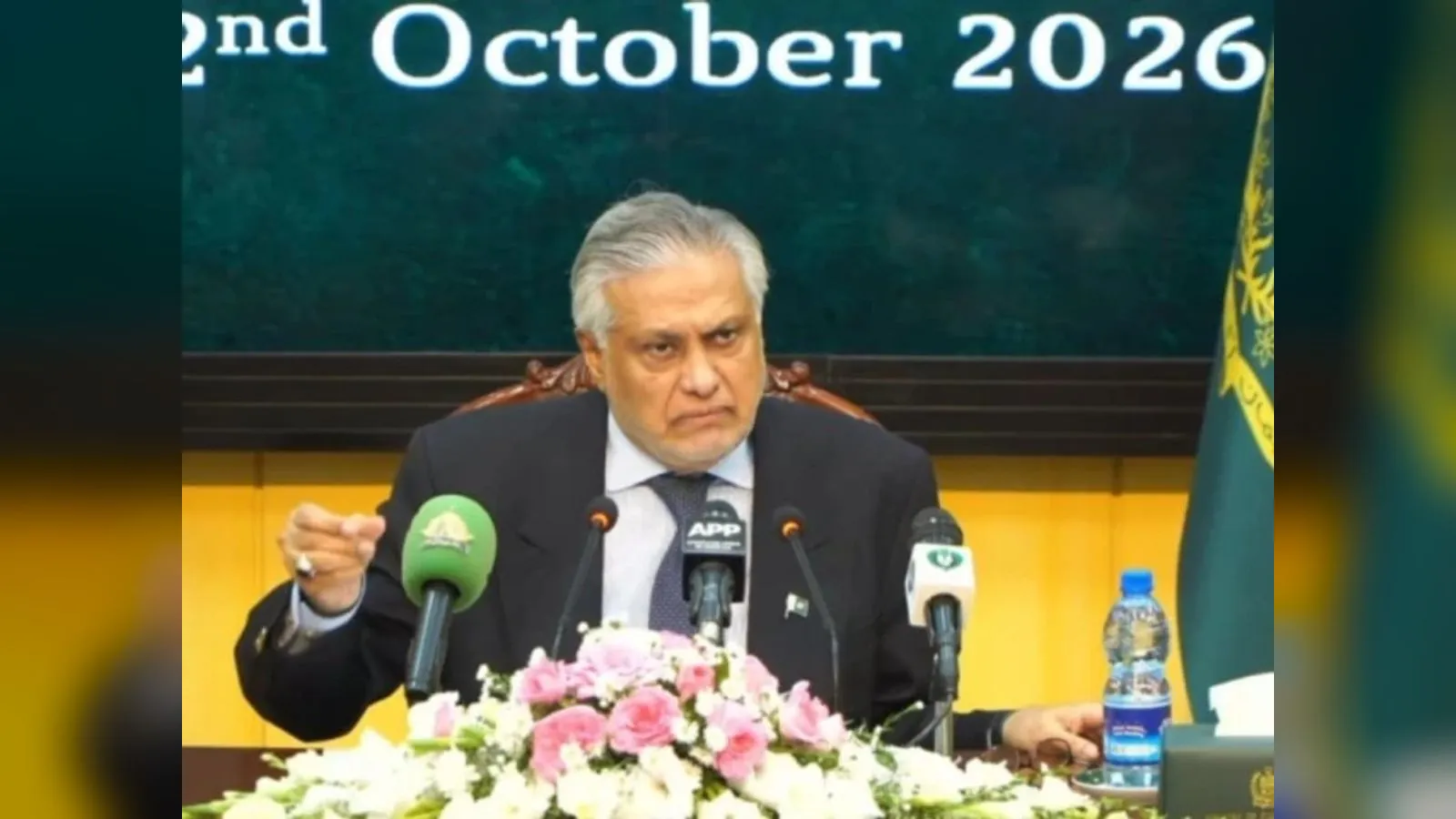
Saudi Arabia, Pakistan and Turkiye signed the Makkah Joint Defence Agreement in August. Its member states have met several times since the Houthi attacks on the kingdom began, including at a meeting in Riyadh attended by Munir, Dar and Asif. Munir was in Tehran earlier this month for talks on Pakistan’s US-Iran mediation. Asif first said Pakistan would defend Saudi Arabia in any conflict on October 1.
Why it matters
For the first time, the three Makkah pact countries sat down together with Iran, whose allies the Houthis are attacking their partner, Saudi Arabia. If the talks hold, they could open a regional route to calm that does not depend on Washington. For Pakistan, the stakes are direct: millions of Pakistanis work in the Gulf, and fuel prices at home rise with every attack on Saudi oil sites.
Oil prices fell about 1pc on Tuesday on hopes for diplomacy, with Brent down $1 at $114.81 a barrel, the Tribune reported.
What to watch: whether Iran’s statement matches Asif’s optimism, and whether Houthi attacks on Saudi Arabia slow down.
This article draws on reporting by Geo News and The Express Tribune.
Comments
Comments are reviewed by our editors before they appear. Please keep them civil and on topic. See our terms.
No comments yet. Be the first to share your view.