

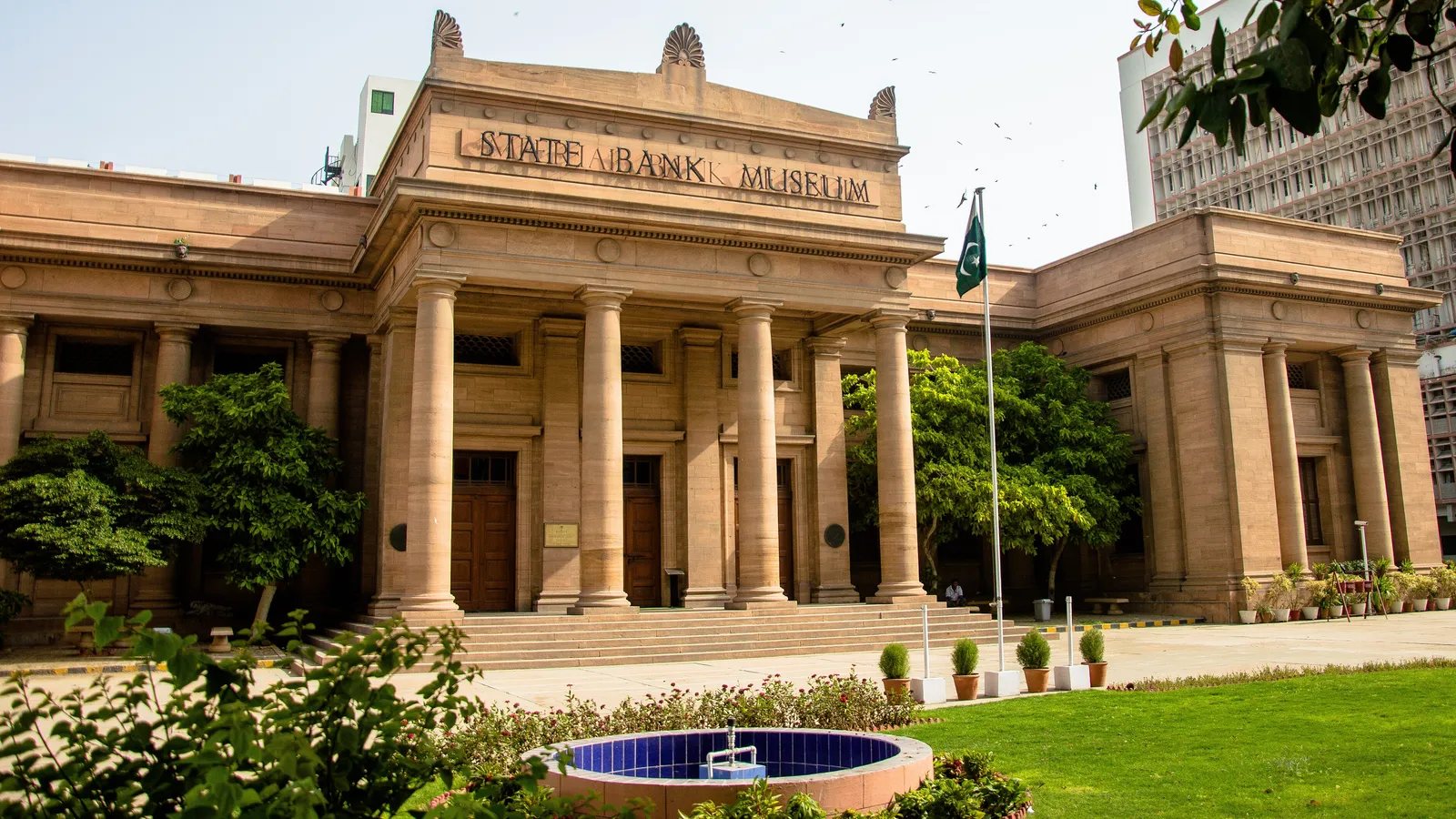
Pakistan’s foreign exchange reserves have reached a record. Total holdings stand at more than $26.8 billion, and the State Bank’s own cushion has grown by about $5 billion since the Gulf war began in February. In a year when oil prices have jumped and weaker economies have wobbled, that is a real achievement, and the people who managed it deserve credit. A country with a comfortable buffer can keep its currency steady and its importers calm.
But a buffer is not the same thing as strength, and the same week’s data should temper the mood.
The first number to look at is the trade gap. In the first four months of this fiscal year exports earned $11.34 billion, up 8.5 per cent. Imports cost $25.96 billion, up 12.6 per cent. The deficit widened to $14.63 billion, almost 16 per cent more than a year ago. Put simply, export earnings paid for about 44 cents of every dollar spent on imports. The rest came from remittances, loans and other inflows. Reserves that rise while the trade gap grows are being built on money that arrives from outside, and money from outside can slow down.
The second number is debt. The World Bank says Pakistan’s external debt has almost doubled in a decade, from $68.7 billion to $135.1 billion. That is not a story of reckless spending in one year; it is an average increase of about 7 per cent a year, every year. The terms matter too. Official lenders give Pakistan 16 years to repay at an average of 3.6 per cent. Private lenders charge 8.6 per cent and want the money back in three. Every Eurobond or Panda bond the government issues to refill the cushion is, in its own way, a step towards the more expensive end of that table. The finance minister is right that new bonds replace costlier loans, and right that markets have been willing to lend. I would simply ask that we keep watching the price.
None of this means the reserves are fake or the policy is wrong. It means the reserves are a bridge, and a bridge has to lead somewhere. The place it must lead is exports.
Consider the government’s own target. The planning ministry has set $100 billion in exports by 2035, after an earlier goal of $60 billion by 2030 stayed on paper. Last year Pakistan exported $30.13 billion, down about 6 per cent. By my calculation, reaching $100 billion by 2035 would need exports to grow around 14 per cent every year for nine years. This year’s 8.5 per cent, and an October figure of just 2.8 per cent, are far below that pace. A target is only useful if the plan matches it.
What would a plan look like? I see three parts.
Energy that exporters can afford. Factory owners keep saying the cost of doing business is too high because energy is expensive, and the weekly price data shows why: electricity is up more than 50 per cent on a year ago and LPG has more than doubled. A textile mill or a food processor cannot compete abroad if its fuel bill is higher than its rival’s. Making energy cheaper for exporters should come before any slogan about markets.
Markets that stay open. Exports to Afghanistan, a market worth more than $1.5 billion, have been shut since last October. Shipping through the Strait of Hormuz has become costly and uncertain. Growth in the Middle East and Europe has slowed since the war began. Diplomacy is an economic tool here: reopening trade routes and keeping sea lanes safe is worth more to exporters than most subsidies. That is one reason I welcome Pakistan’s push at the United Nations for diplomacy during wars.
An honest conversation about the rupee. Some currency experts argue the rupee is overvalued, which makes imports cheap and exports dear. Others say a steady currency is what gives businesses confidence. I do not claim to settle that argument in a column. But when the import bill grows faster than exports month after month, it is a question worth asking in public rather than avoiding.
There are also things the government has done well. It has kept the exchange rate stable in a turbulent year, rebuilt the cushion, and returned to international capital markets. Those are the foundations on which growth can be built, and I do not want to understate them.
The danger is complacency. When reserves hit a record, it is tempting to treat the problem as solved. The better reading is the opposite: the pressure is off for now, which gives the country a window to fix what makes it dependent on borrowing in the first place. How long that window stays open depends on oil prices, on the war, and on whether the cushion keeps rising. It will not stay open for ever.
So when the next reserves figure is announced, do not stop at the headline. Look at what exporters earned that month, what the country spent on imports, and what it paid to borrow. If the first number rises and the other two do not improve, then the record is only a good week. If exports start to grow faster than imports, that is when Pakistan can say the economy is stronger, not just better protected.
Comments
Comments are reviewed by our editors before they appear. Please keep them civil and on topic. See our terms.
No comments yet. Be the first to share your view.