

Two things happened in the past few days that, put side by side, describe where the China-Pakistan Economic Corridor stands today.
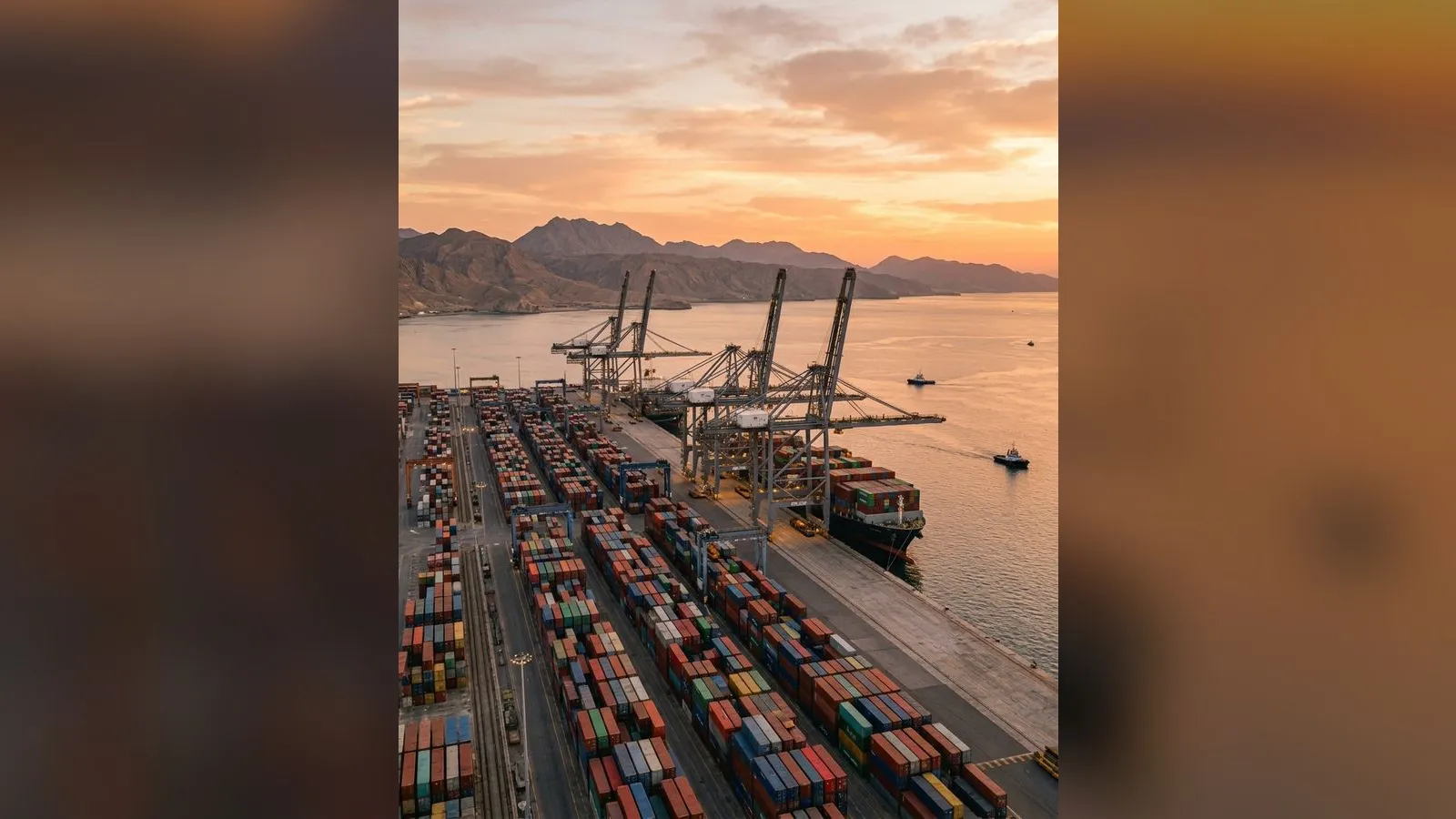
In Beijing, a Pakistani delegation of Balochistan officials and the foreign affairs expert Muhammad Mehdi met Chinese officials and talked about Gwadar, trade and the future of CPEC. Mr Mehdi told them the security situation in Balochistan is improving, and added that Pakistan and China need a coordinated joint strategy for the security challenges CPEC faces. At the same meeting, the director of the Gwadar Port Authority thanked China for its social welfare work in the city and raised the idea of a hospital there.
A few weeks earlier, in Shanghai, Sindh’s chief minister, Murad Ali Shah, told Chinese investors that a dedicated security unit within the Sindh police has been set up to protect Chinese nationals and Chinese projects, and that more than two dozen agreements would be signed. “Signing is just the beginning of the work and not the end,” he said.
Put those two together and you have the whole subject: security, and a visible benefit for the people who live next to the project. Both need coordination, and I think coordination is what CPEC’s next phase lacks most.
Security cannot be left to one level of government. Chinese engineers and investors work in Balochistan, Sindh, Khyber Pakhtunkhwa and Punjab. The state has shown, repeatedly, that it will protect them. In October, the army’s media wing said that 10 terrorists were killed in Gwadar when attempted attacks were foiled, and a civilian died. That is a reminder of the risk, and of the response. But a network of separate arrangements, with a unit here and an escort there, is not the same as a plan. I would like to see one agreed protocol, written down, that sets out who protects what, who shares intelligence with whom, and how an incident on a road in one province is handled by the authorities in the next. Mr Mehdi called for a “coordinated joint strategy”, and he is right. It has to include the provinces, the federal government, the security forces and the Chinese companies, and it has to be reviewed at fixed intervals, not only after an attack.
A project needs a dividend that local people can see. The hospital idea in Gwadar is small compared with a port, but it may matter more. When a person in Gwadar sees a clinic, a school or a job, CPEC stops being a line on a map and becomes something that belongs to them. The same goes for fishermen, traders and young graduates who wonder what the port means for them. It is not charity. A project whose neighbours benefit has more friends and fewer enemies, and that is a security measure in its own right. I would ask the planners to set targets for local hiring, training and health and education spending around each major project, and to report on them.
Tell the public what is happening. CPEC’s critics, at home and abroad, fill gaps in information with suspicion. The answer is a single, regular, public progress report: which projects are under way, which are late and why, what has been spent, and what local benefits have been delivered. The Sindh chief minister’s promise that each agreement will have a named focal person is a good start. Let the other provinces make the same promise, and let the information be public.
Keep politics out of it. Earlier this month a senior Chinese Communist Party official, Liu Haixing, visited Islamabad, met the prime minister and the army chief, and spoke about stronger links between the parties of the two countries. I welcome that, but the lesson for Pakistan’s own parties is to be steady too. A corridor that depends on one government’s goodwill is fragile. Its security, its contracts and its timelines should be matters on which the government and the opposition agree, so that a change in Islamabad does not mean a change in direction.
None of these steps is dramatic, and none needs a new treaty. They need coordination, which is often harder than money. The relationship between our two countries has also gone well beyond roads and ports, as China’s announcement that a Pakistani astronaut will fly to its space station shows. A partnership that can put a Pakistani in orbit can surely agree who protects a road in Balochistan.
If Pakistan can show, by next year, a joint security protocol that works, a public progress report and a few schools and clinics that people in Gwadar can point to, then CPEC’s next phase will have earned its name. If we only sign more agreements and hope for the best, we will be back at the same discussion, with the same worries, a year from now. China has done its part to show its commitment. Now it is for us to show we can deliver.
Comments
Comments are reviewed by our editors before they appear. Please keep them civil and on topic. See our terms.
No comments yet. Be the first to share your view.