

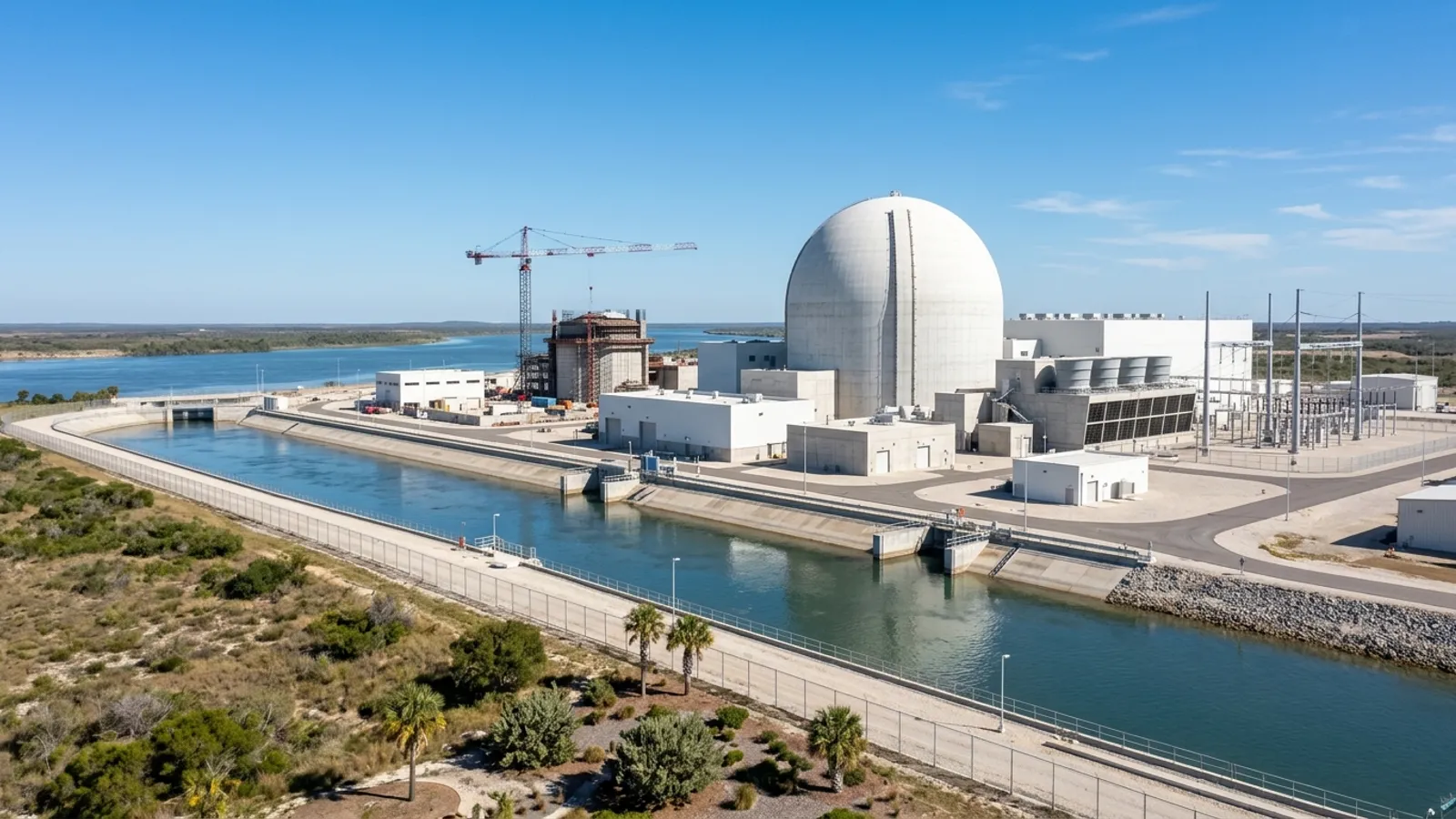
On Tuesday a dome was lowered into place on top of a nuclear reactor building near Mianwali, and a good deal of the Pakistani leadership turned up to watch. Prime Minister Shehbaz Sharif was there, with Field Marshal Asim Munir, the Pakistan Atomic Energy Commission and Chinese engineers. It was the Chashma-5 plant, a 1,200 megawatt unit that Pakistan expects to start generating in September 2030. The prime minister said the dome was in place ahead of schedule, less than three and a half years after the groundbreaking in July 2023.
I want to take that claim seriously, because it deserves to be taken seriously. Then I want to ask what has to happen next, because the speeches will not switch on a single light.
A dome is not a finished plant. Placing it marks the end of civil works and the start of installing equipment inside the building. That is a real milestone, and the engineers on both sides have earned their credit. But it is the middle of the story, not the end.
Why this model works. Pakistan and China have built nuclear power together for years, and Chashma-5 is described as the seventh nuclear plant that China has helped Pakistan to build. The prime minister said Pakistani and Chinese engineers worked “shoulder-to-shoulder” through summer heat and winter cold. I think that is the secret, and it is not a mystery. The work is technical and long, the teams are mixed, and both governments have a strong reason to see it finished. When a project has a clear owner, a clear technology and a clear date, it tends to keep to them.
Why it matters to ordinary people. The commission’s chairman, Dr Raja Ali Raza Anwar, gave a number I find striking. Nuclear plants in Pakistan produce 3,530 megawatts, which is about 8.6 per cent of installed capacity, yet they supply about 16.6 per cent of the country’s electricity, and 26 per cent in winter. That is what steady, round-the-clock power looks like. It does not depend on the price of imported fuel, or on the weather, as the prime minister himself said. In a year when oil prices have jumped and fuel has been the main political issue, it is easy to see why that matters.
None of this means Pakistan should stop pursuing the other half of its energy story. At COP31 in Antalya on Wednesday the prime minister said that Pakistan had added nearly 22 gigawatts of rooftop solar in two years, “a quiet revolution by ordinary citizens”. He also said that Pakistan alone needs about $138 billion by 2035 for low-carbon power. Those two facts belong together. Nuclear gives the base, solar gives the volume, and both need a grid and a bank to match.
So here is what I would ask of the government, and of our Chinese partners, over the next four years.
Publish the timetable and the cost. The reports of the ceremony that I have seen gave the capacity and a start date. They did not give the cost, or the loan terms, or the milestones between now and September 2030. If the project really is ahead of schedule, the public should be able to check, by seeing the schedule. Openness helps the project, because it turns a good claim into a fact that no one can argue with. I would like to see the Atomic Energy Commission put the schedule and the financing on its website and update it twice a year.
Make the grid ready before the plant is. A reactor that is ready in 2030 is of no use if the lines to carry its power are not. The test of coordination is not what is said in Mianwali, but whether the transmission planners, the power regulator and the distribution companies are working to the same calendar as the engineers.
Spend the benefit on exporters and households. In a column last week I argued that exporters cannot compete when energy costs more than it does for their rivals. A cheap, stable source of power is the best answer to that. The question is whether the price of Chashma-5’s electricity will reach the factory floor, or be lost in the layers of the system between the plant and the meter.
Train our own. The prime minister praised Pakistani and Chinese workers equally, and I hope that is true on the pay slip as well. Each Chinese-built plant should leave Pakistan with more of its own engineers, welders and technicians, not fewer. That is how a partnership turns into a capability.
I do not write this to dampen a good day. China has been a steady partner when others were not, and the prime minister is right to thank it. But gratitude is not a plan. The speeches describe a friendship “stronger than steel”; the dome is made of steel and concrete, and it is the steel of the grid, the finance and the schedule that now need to hold.
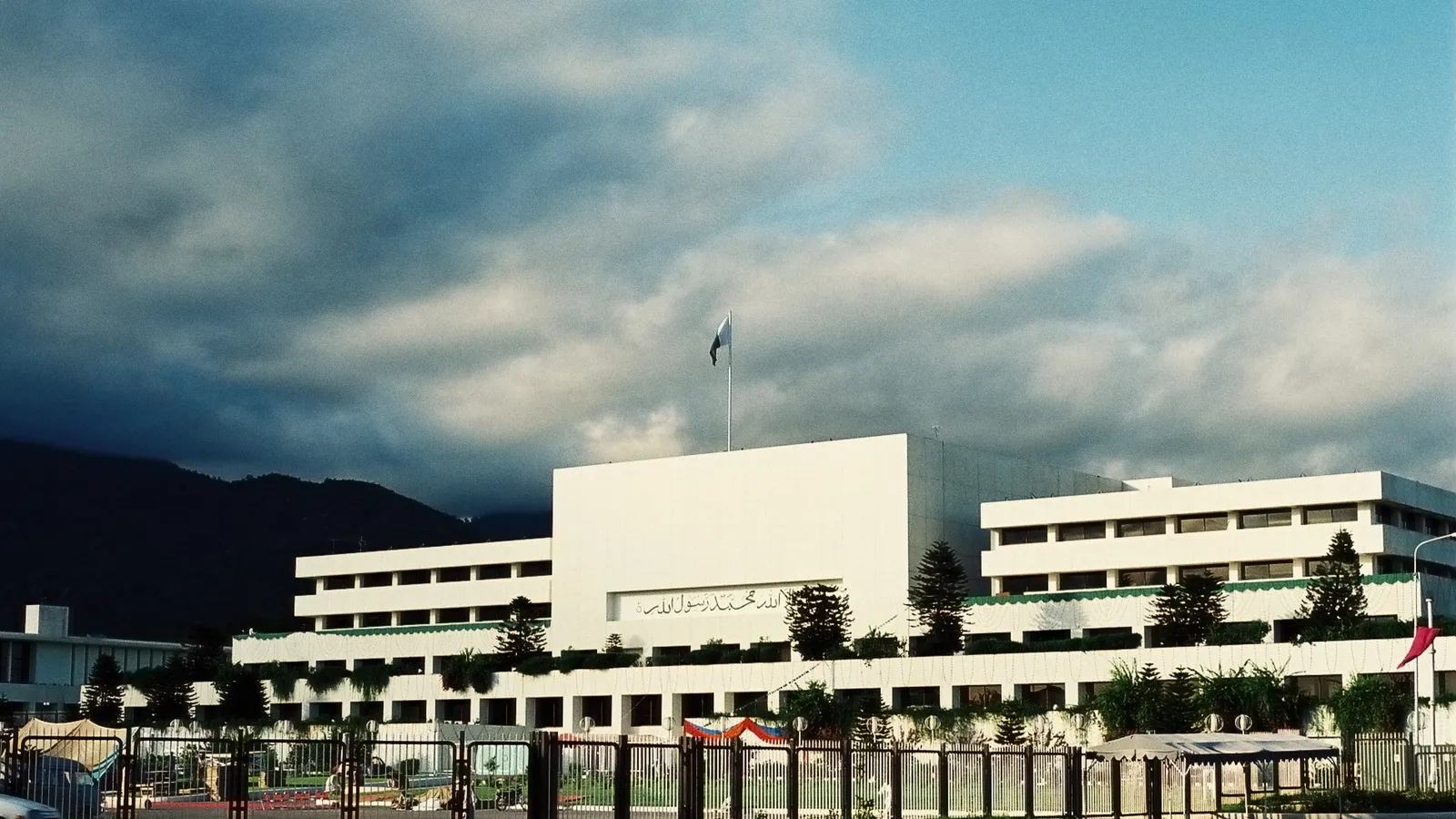
If those are ready by September 2030, Chashma-5 will be remembered as the project that kept its promise. If they are not, it will be one more power plant waiting for a wire. The difference will be decided in Islamabad, not in Beijing.
Comments
Comments are reviewed by our editors before they appear. Please keep them civil and on topic. See our terms.
No comments yet. Be the first to share your view.