

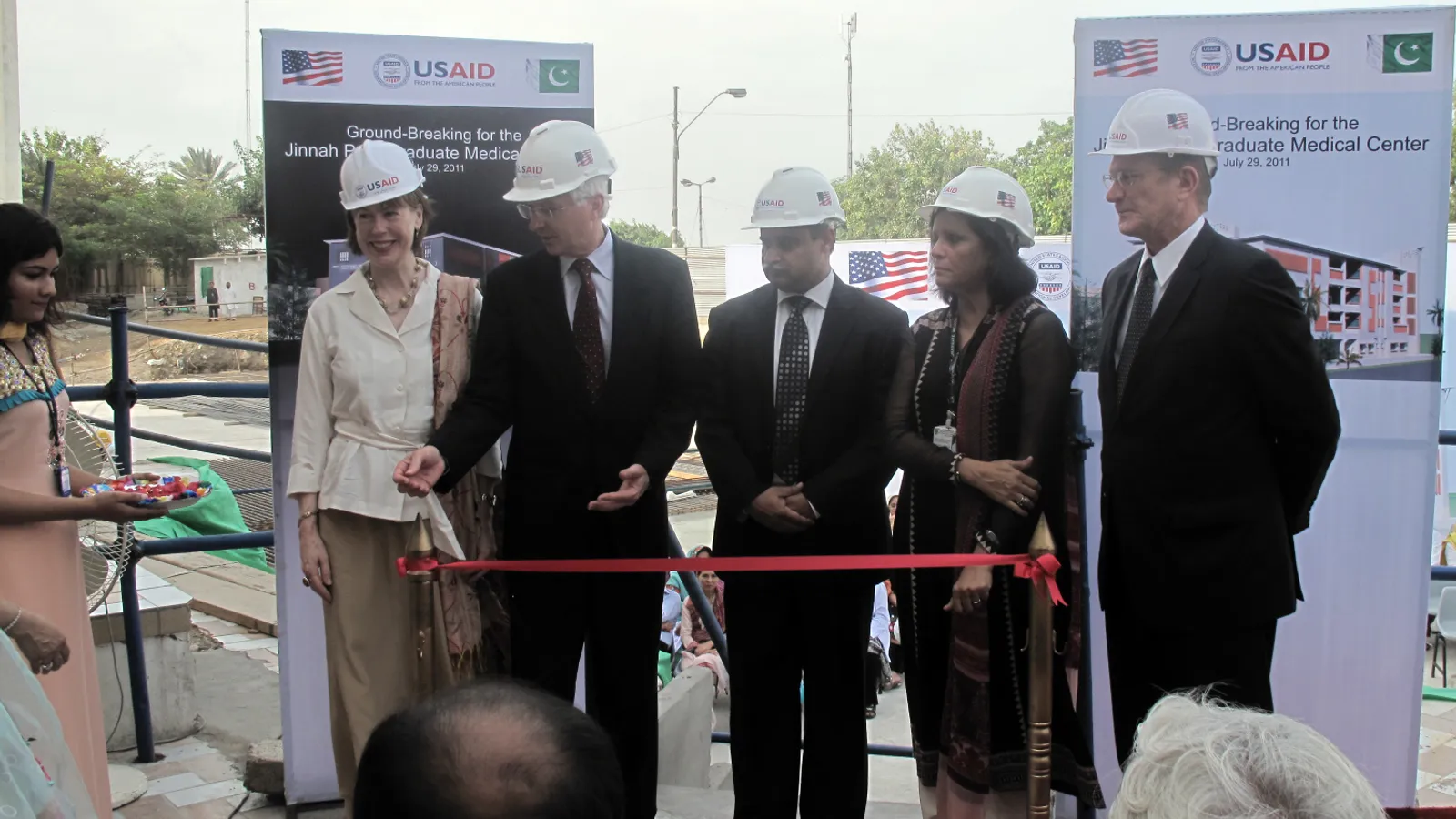
About a quarter of cancer patients at Karachi’s Jinnah Postgraduate Medical Centre (JPMC) are unable to finish their treatment, mainly because newer medicines are too expensive and charity support is patchy, doctors said at a conference on Sunday.
The province’s largest public-sector tertiary hospital offers surgery and radiotherapy free of charge, but the high cost of newer immunotherapies and targeted therapies forces many patients to stop, speakers said on the closing day of a two-day conference, Dawn reported.
Rs3 million to Rs4 million
The head of JPMC’s oncology department, Dr Ghulam Haider, called for permanent government help so patients can complete treatment.
- Full cost: complete cancer care, including surgery, radiotherapy, medicines and injections, costs Rs3 million to Rs4 million, and treating complications from chemotherapy adds more
- Funding gaps: care at JPMC is supported by philanthropists, charities and Zakat funds, “but this assistance is not consistently available”, he said
- The result: “Some patients return home after exhausting their resources and come back months later with larger tumours”
“Gaps in medicine supplies and funding can interrupt treatment and affect its outcomes,” Dr Haider said, adding that charitable donations alone were not enough.
Breast cancer: delays and fear
Dr Saima Zahoor, an assistant professor of medical oncology at JPMC, said more than 60 percent of breast cancer patients faced delays in diagnosis or treatment.
“Social pressure, fear, misconceptions and treatment costs contribute to these delays. Others fear [that a] biopsy will spread cancer and turn to alternative treatments, losing months before reaching a hospital,” she said.
She said HER2-positive breast cancer, an aggressive form in which tumours grow faster, may need expensive targeted medicines, and that waiting for help from Baitul Mal or charities could delay care further. “Women should consult a qualified doctor about unusual breast changes. Early diagnosis and timely treatment improve the chances of recovery,” she said.
JPMC surgeon Dr Syeda Zareen Raza said some patients could have breast-conserving or oncoplastic surgery, but fears about appearance, hair loss and social attitudes kept some women from seeking treatment.
What doctors want
- A national registry: Dr Sana Zeeshan of Aga Khan University Hospital called for a breast cancer registry combining public, private and charity hospital records on stages, treatment, recurrence and survival
- Screening and cheaper medicines: Dr Najeeb Naimatullah of Shaukat Khanum Hospital called for organised screening, quality local and generic medicines, and treatment plans that consider patients’ finances
- Research funding: Dr Tariq Rafi, chairman of the Sindh Higher Education Commission, offered the commission’s support for cancer research
Why it matters
Cancer can often be treated, but only if patients can afford to finish the course. When a quarter of patients at a major public hospital give up halfway, many return sicker and harder to save. Stable public funding for medicines, earlier diagnosis and better data could save lives that are now being lost to cost. The warning adds to pressure on Karachi’s main public hospital, where young doctors recently protested over months of unpaid salaries. Read our report on the JPMC doctors’ protest.
This article draws on reporting by Dawn.

Comments
Comments are reviewed by our editors before they appear. Please keep them civil and on topic. See our terms.
No comments yet. Be the first to share your view.