

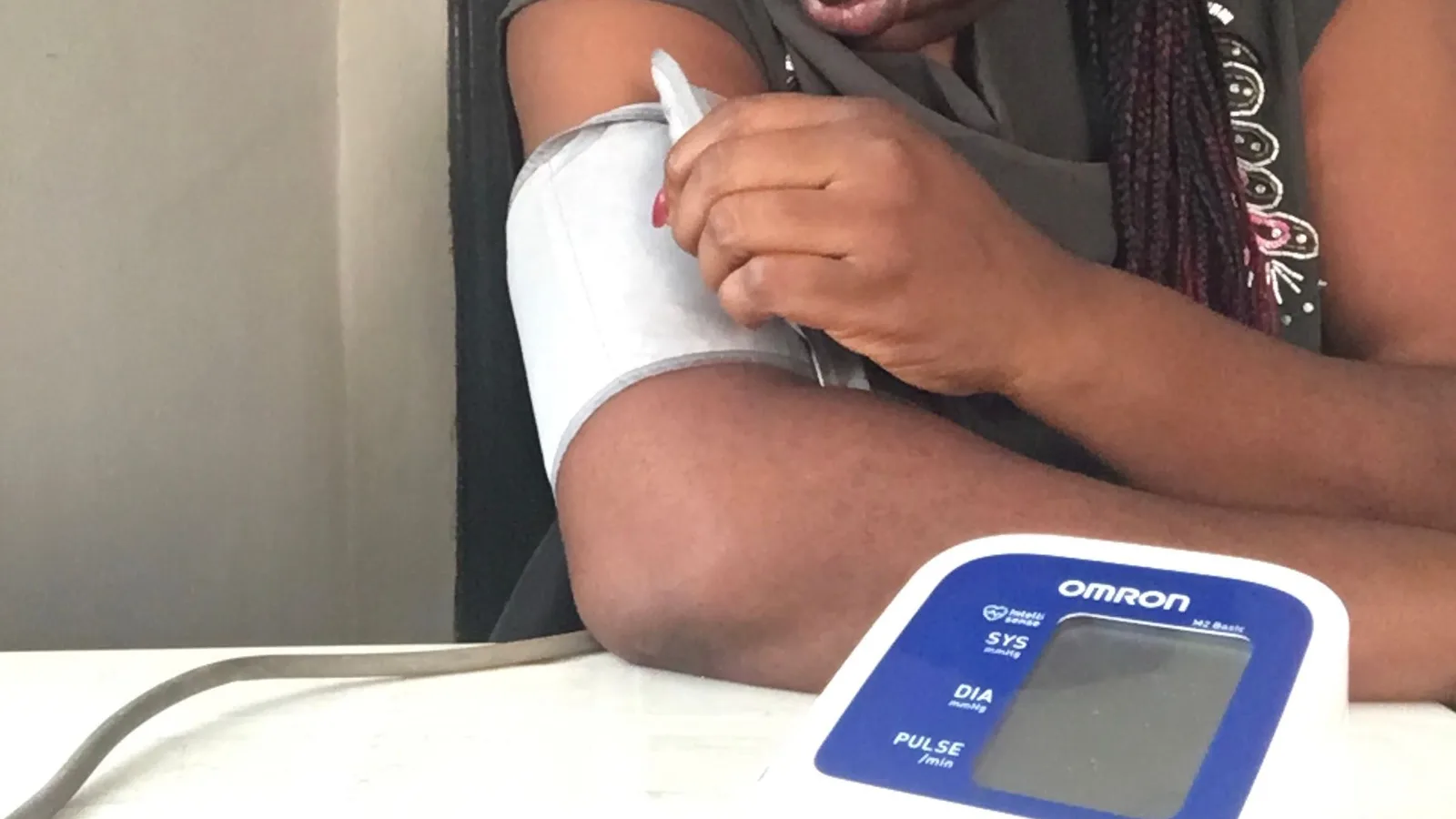
Women in Pakistan die from heart disease at a higher rate than women anywhere else in South Asia, according to a new study, prompting doctors to call on World Heart Day for heart care to become a routine part of women’s health from pregnancy to old age.
The study, published in the journal JACC: Asia this year, compared Pakistan, India, Bangladesh, Nepal and Bhutan using Global Burden of Disease estimates for 2021. It found that Pakistan had the highest age-standardised death rate from ischaemic heart disease among women of all five countries, Dawn reported.
Deadlier for women than for men
Pakistan also stood out in the study as the only one of the five countries where the ratio of deaths to cases was higher for women than for men:
| Group | Deaths as a share of cases |
|---|---|
| Women in Pakistan | 4.4% |
| Men in Pakistan | 3.1% |
In other words, once women in Pakistan develop ischaemic heart disease, which is caused by narrowed arteries that cut blood supply to the heart, they are more likely to die from it than men with the same condition.
What is driving it
The study identified a familiar list of risk factors, led by high blood pressure. The others were:
- Diets low in vegetables and fibre
- Diabetes
- Obesity
- Physical inactivity
- Stress
What doctors are saying
The findings were discussed at the launch of “Her Heart Matters”, an awareness initiative started by the pharmaceutical company PharmEvo with several professional medical bodies on the eve of World Heart Day, which is marked on 29 September.
Prof Dr Tazeen Abbas, secretary general of the Society of Obstetricians and Gynaecologists of Pakistan, said women needed attention to their heart health “before and during pregnancy, after childbirth and after menopause”, the stages of life when the risks change.
Prof Dr Shabnam Naveed, head of medicine at the Jinnah Postgraduate Medical Centre in Karachi, said that among women attending the hospital’s diabetes clinic, more than 90 per cent “had one or more cardiovascular risk factors”.
Prof Dr Fawad Farooq, general secretary of the Pakistan Cardiac Society, pointed to a wider problem in the health system, saying Pakistan “lacked an effective primary and secondary cardiovascular care network”. Primary care is the first contact patients have with doctors, where risks such as high blood pressure can be picked up early, while secondary care covers treatment in hospitals.
Where the risks can be caught
Most of the risk factors on the study’s list can be measured in a simple check-up: blood pressure, blood sugar and weight. Prof Abbas’s call for attention before and during pregnancy, after childbirth and after menopause points to specific stages of life at which such checks could become part of women’s routine care. Prof Farooq’s warning about the lack of a primary and secondary care network shows why that does not happen consistently today.
Why it matters
The new figures show that in Pakistan, heart disease is a serious threat to women: they are dying at the highest rate in the region, and are more likely than men to die once the disease takes hold. With high blood pressure as the leading driver, the message from Pakistan’s doctors on World Heart Day is that protecting women’s hearts starts with checking their blood pressure.
In other health news this week, 28.2 million children were vaccinated against polio in a nationwide campaign.
This article draws on reporting by Dawn.



Comments
Comments are reviewed by our editors before they appear. Please keep them civil and on topic. See our terms.
No comments yet. Be the first to share your view.