
Pakistan’s largest oil and gas company, OGDCL, plans to raise its crude oil production by about two-thirds over the next five years, as the government also looks abroad for new crude supplies and exploration help while the Middle East war disrupts energy markets.
The company plans to lift crude output from 36,013 barrels a day in 2025-26 to 60,384 barrels a day by 2030-31, ARY News reported, citing official documents quoted by the Associated Press of Pakistan. Natural gas sales are projected to rise from 797 to 1,167 million cubic feet a day over the same period.
The roadmap
Crude output is planned to climb year by year:
- 2026-27: 41,076 barrels a day
- 2027-28: 51,239 barrels a day
- 2028-29: 57,028 barrels a day
- 2029-30: 59,747 barrels a day
- 2030-31: 60,384 barrels a day
The plan includes 19 brownfield revitalisation projects, 10 greenfield and old-discovery developments, 12 pressure-maintenance and enhanced oil recovery projects, and the expansion of seven production plants. Upcoming milestones include Uch compression in November 2026, KPD-TAY compression in December 2026, which is linked to 50 million cubic feet of gas a day, and Sinjhoro Development Phase-II in March 2028.
Two projects are already running: Jhal Magsi, commissioned in August 2025 and producing 14 million cubic feet of gas a day, and Dakhni front-end compression, commissioned in February 2026.
OGDCL produces about 55 percent of Pakistan’s crude oil, 28 percent of its natural gas and 35 percent of its LPG, and holds 58 percent of the country’s oil reserves, the documents show.
Rs2.7 trillion in profits
State-owned oil and gas companies earned about Rs2.7 trillion in profits over the past decade, ARY News reported, citing official documents:
- OGDCL: more than Rs1.25 trillion, including a record Rs224.6 billion in 2022-23
- Pakistan Petroleum Limited: Rs620.3 billion
- Government Holdings: more than Rs377 billion
- Pakistan State Oil: Rs218.7 billion
Looking abroad
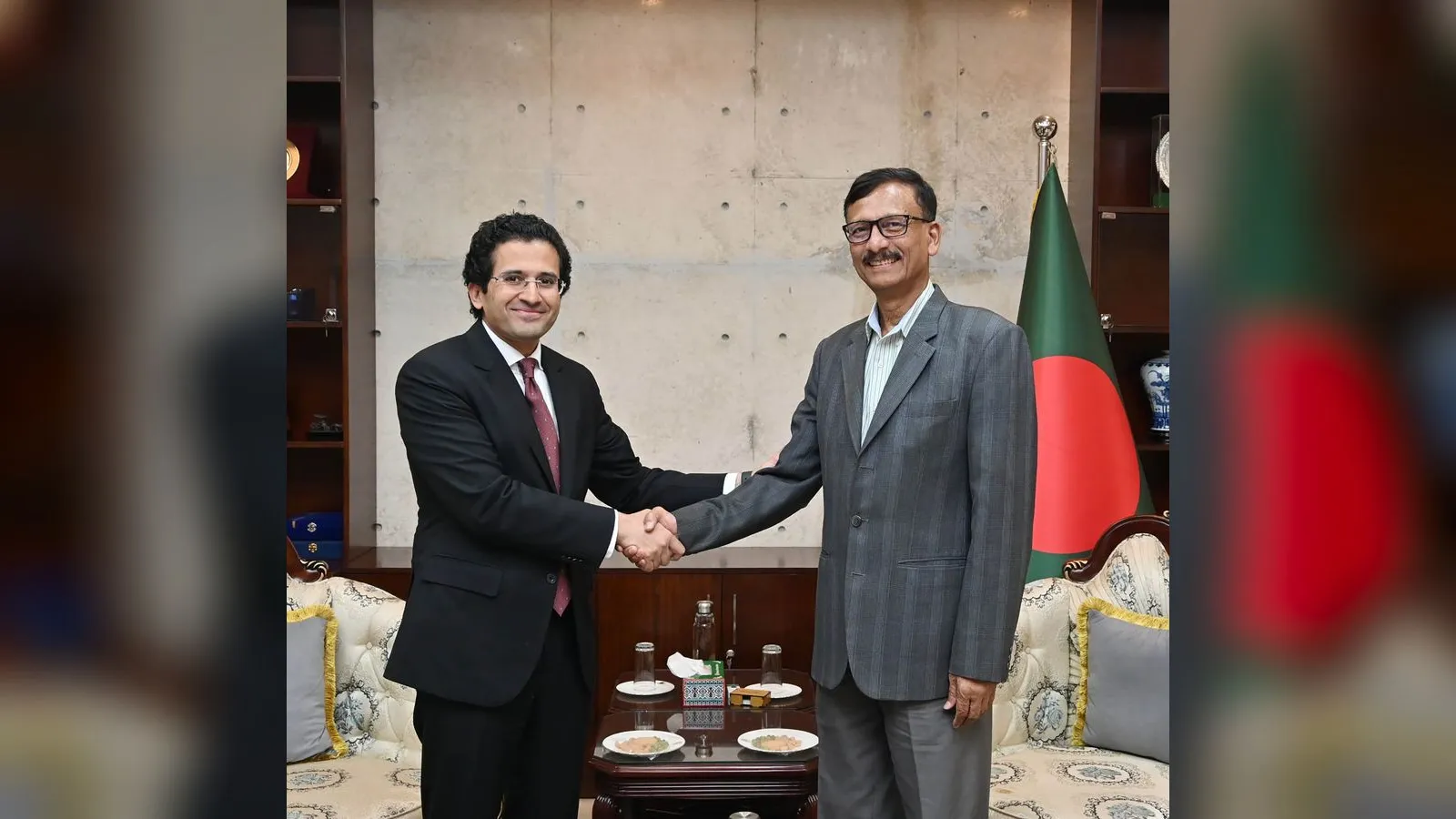
Petroleum Minister Ali Pervaiz Malik met Libya’s oil minister, Dr Khalifa Rajab Abdulsadek, in Riyadh, where Libya agreed to help Pakistani companies secure crude oil supplies. The two sides also discussed sharing expertise to upgrade refineries. Malik also discussed LNG with Qatar’s energy minister, Saad Sherida Al-Kaabi, while Turkiye’s energy minister, Alparslan Bayraktar, said a Turkish Petroleum seismic survey vessel was expected in Pakistan next month to support exploration.
Why it matters now
The war has hit supplies at home. The Lahore Electric Supply Company says evening and night loadshedding of about two hours is being carried out because power plants running on imported RLNG have been idle after LNG cargoes were delayed, Dawn reported. More oil and gas from Pakistan’s own fields would cut the import bill and make the country less exposed to such shocks.
The IMF has meanwhile urged the government to phase out a fuel relief scheme for motorcyclists, rickshaw drivers and small-car owners, citing its cost. Read our report on this month’s fuel prices.
This article draws on reporting by ARY News, the Associated Press of Pakistan and Dawn.

Comments
Comments are reviewed by our editors before they appear. Please keep them civil and on topic. See our terms.
No comments yet. Be the first to share your view.