

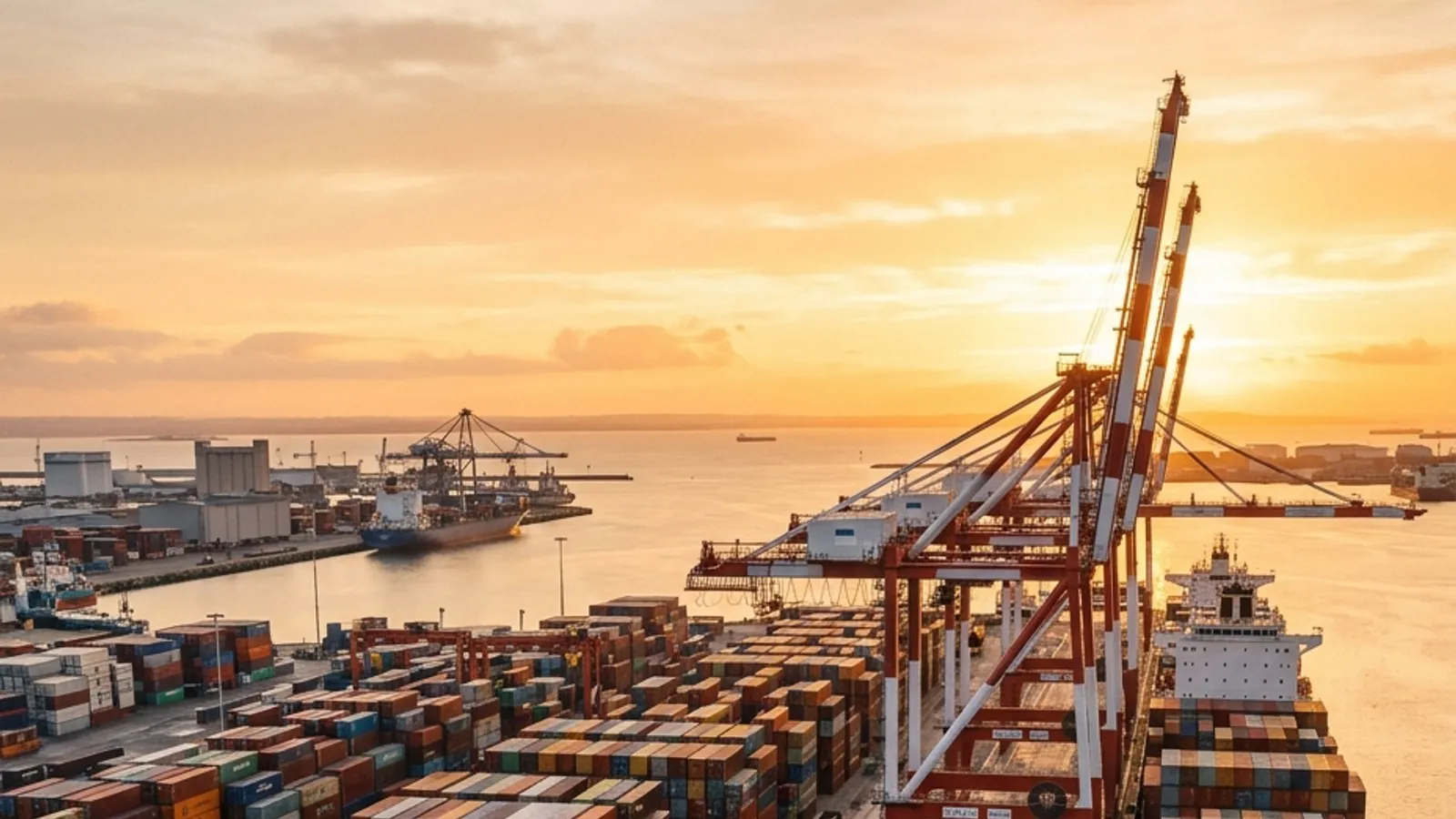
Pakistan’s exports grew in single digits over the first four months of the current fiscal year, while imports rose faster, so the trade gap widened again. The Pakistan Bureau of Statistics (PBS) said on Friday that merchandise exports reached $11.34 billion in July to October 2026, up 8.52 per cent from $10.45 billion in the same period last year.
The numbers
| Measure | July-Oct FY27 | Same period last year | Change |
|---|---|---|---|
| Exports | $11.34bn | $10.45bn | +8.52% |
| Imports | $25.96bn | $23.06bn | +12.59% |
| Trade deficit | $14.63bn | $12.62bn | +15.97% |
October alone looked weaker. Exports were $2.93 billion, up just 2.84 per cent from $2.85 billion a year ago, and 0.21 per cent higher than September. Imports in October rose 11.81 per cent to $6.81 billion, up 5.72 per cent on the month. The October trade deficit was $3.87 billion, 19.70 per cent more than the $3.24 billion of October last year.
Why exports are not keeping up
Export growth has slowed mainly in Middle Eastern and European markets since the war in the Middle East began, Dawn reported. Disruption in the Strait of Hormuz has raised shipping costs for exporters and disrupted supply chains. Exports to Afghanistan, a market worth more than $1.5 billion, have also been closed since October 2025. Exporters say the cost of doing business is too high because of elevated energy prices, and finance ministry officials are working on measures to support exports, especially from small and medium enterprises.
The bigger picture
Last year’s figures show the trend. In FY26 exports fell 5.97 per cent to $30.13 billion from $32.04 billion, missing the annual target by $4.87 billion. Imports grew 7.89 per cent to $69.59 billion, and the trade deficit widened 21.57 per cent to $39.47 billion, against $32.46 billion a year earlier.
On targets, the planning ministry had projected that exports would reach $60 billion by 2030, a goal that Dawn says has stayed mostly on paper. It has since set a new target of $100 billion by 2035.
What the gap means
A back-of-the-envelope calculation from these figures: in four months Pakistan earned $11.34 billion from exports and spent $25.96 billion on imports, so export earnings covered only about 44 cents of every dollar of imports. The gap is covered by remittances, borrowing and other inflows. That is why the record reserves we reported on, and the debt numbers beside them, are two sides of the same story; see our report on reserves and external debt. Dawn reported that currency experts believe the rupee is overvalued, which makes imports cheaper and exports less competitive, though that is a view, not an official finding.
Why it matters
Exports are how a country earns the dollars it needs without borrowing. If imports keep growing faster than exports, Pakistan has to rely on remittances and loans, such as the Saudi rollover we covered earlier. Higher energy costs hurt exporters twice, since they raise factory costs and push up inflation at home. What to watch is whether the finance ministry’s support measures for small exporters arrive, whether shipping costs through Hormuz ease if the diplomacy holds, and whether the Afghan market reopens.



Comments
Comments are reviewed by our editors before they appear. Please keep them civil and on topic. See our terms.
No comments yet. Be the first to share your view.