

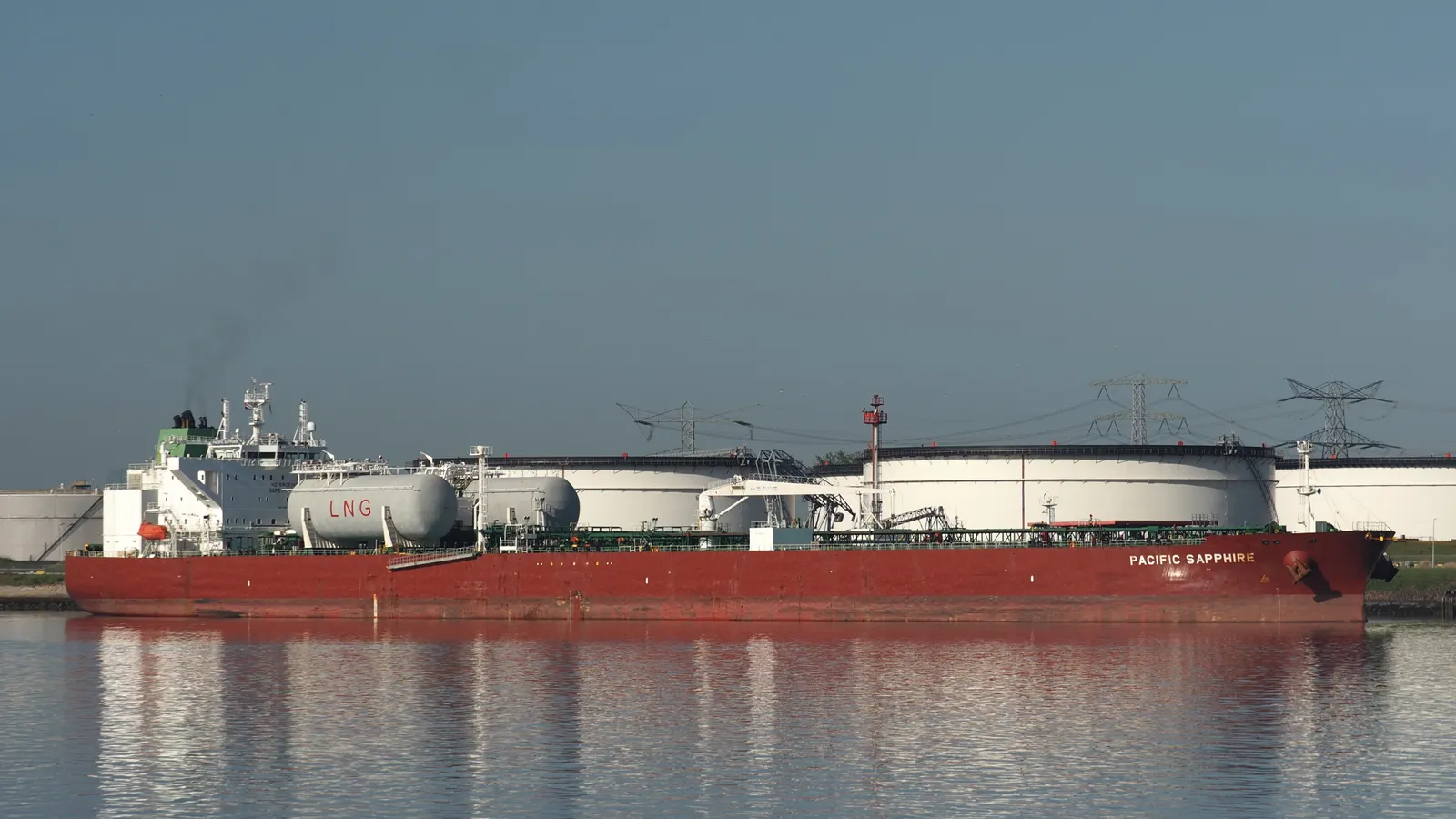
Oil prices edged lower on Monday as more crude flowed from the Middle East and a release of emergency stocks by the Group of Seven (G7) nations added to supply, easing worries about further damage to Gulf oil facilities during the US-Israeli war on Iran.
Brent crude fell 66 cents, or 0.65 percent, to $101.59 a barrel by 7:40am Pakistan time, while US West Texas Intermediate (WTI) dropped 95 cents, or 1.03 percent, to $90.12, The Express Tribune reported, citing Reuters.
Why prices are falling
- G7 reserves: on Friday, the G7 agreed to release 100 million barrels of diesel and crude from emergency stocks, and pledged not to restrict energy exports, after pressure from US President Donald Trump
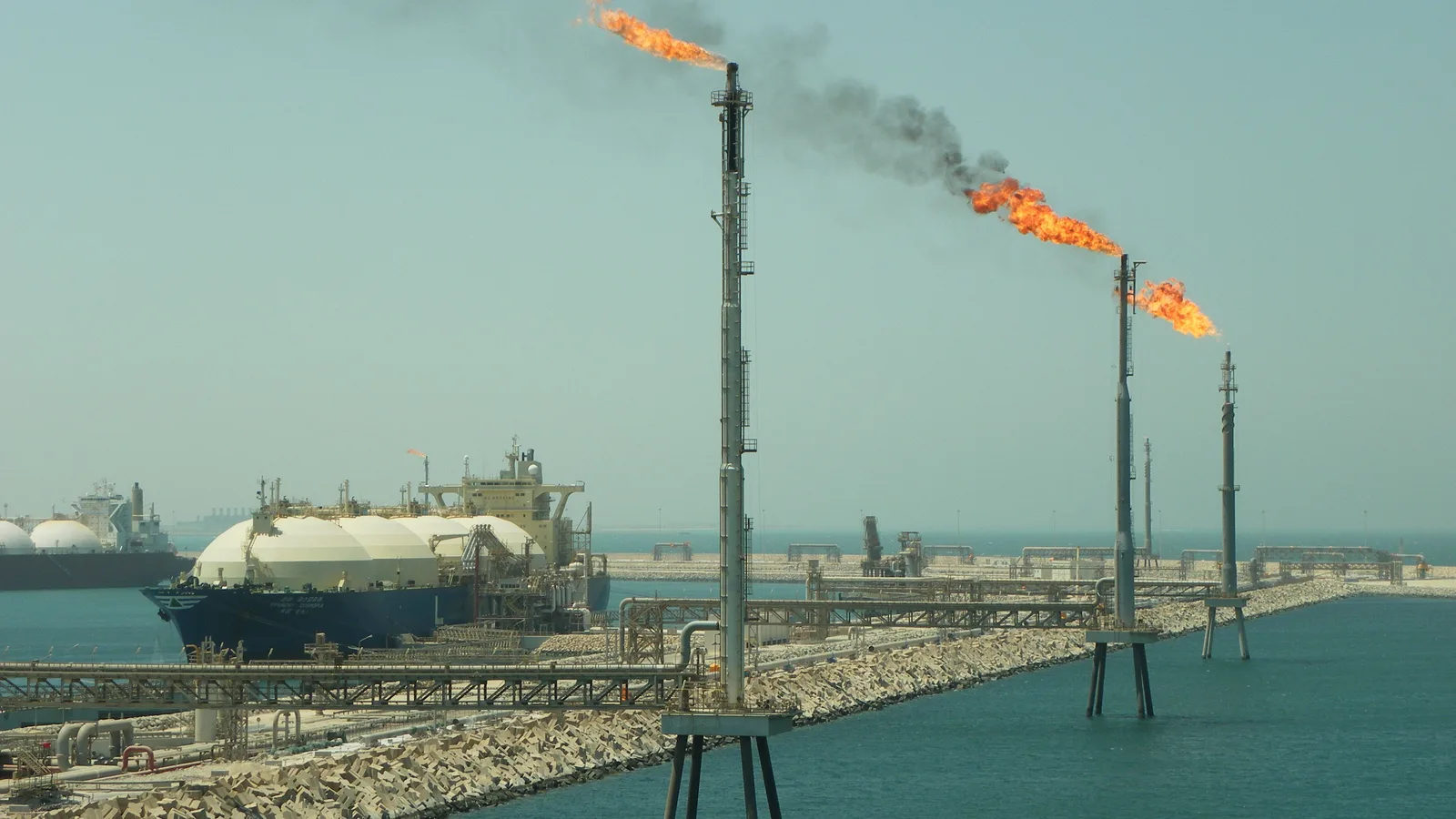
- Gulf exports: Middle East crude exports rose above pre-war levels on four of the last seven days of September, shipping data showed, despite attacks on vessels near the Strait of Hormuz
- Saudi supply: there is a growing view that Saudi export volumes are returning towards pre-war levels
- Cheaper for Asia: Aramco unexpectedly cut its November crude prices for Asia to six-year lows
“The G7 decision to tap strategic reserves is taking some of the immediate supply anxiety out of the price,” said Tim Waterer, chief analyst at KCM Trade, though he noted that barrels are still moving “at higher cost and via less efficient routes”. “That combination is enough to subdue prices for now even though the risks of further damage to energy infrastructure around the Gulf region haven’t gone away,” he said.
Brent gave up most of last week’s gains after the G7 announcement, while WTI ended the week 1.6 percent lower.
The risks remain
Brent remains above $100 a barrel because of persistent tensions and more attacks on ships in the Gulf, ING analysts said.
- Houthi attacks: the Houthis claimed missile and drone strikes on Aramco sites in Riyadh and Khurais, which Saudi Arabia has not confirmed
- War in Yemen: Yemen’s Saudi-backed government has launched a major offensive against the Houthis
- OPEC+: the group delayed a review of 2027 output quotas because the war has disrupted plans to expand production across the Middle East
- Russia: Ukraine says it will step up attacks on Russian oil refineries
What it means for Pakistan
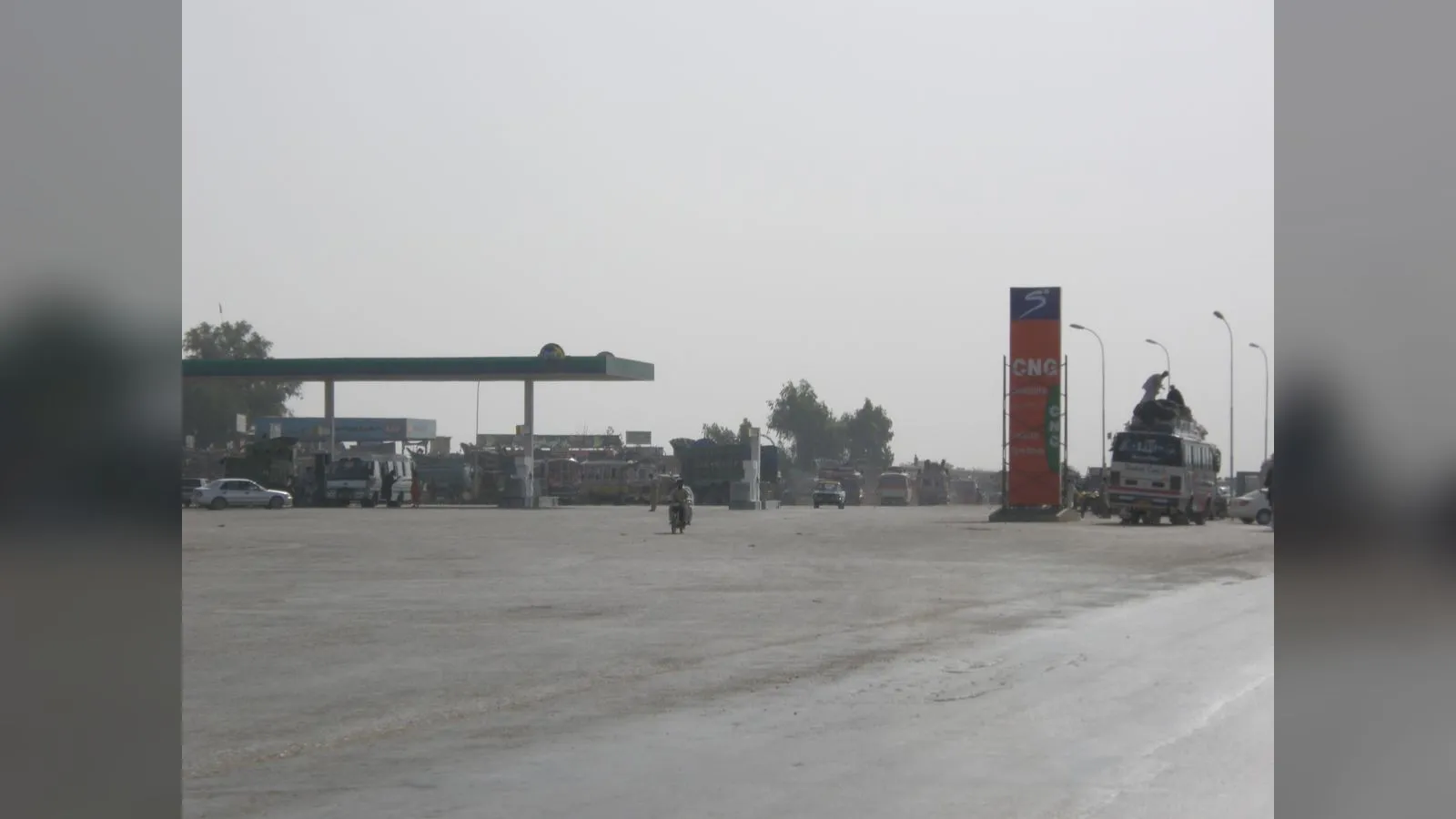
Pakistan imports most of its oil, so global prices feed directly into what people pay at the pump and on their electricity bills. The government has been revising petrol and diesel prices frequently, and has offered a fuel subsidy for motorcycles, rickshaws and small cars. A sustained fall in Brent would ease pressure on inflation and the import bill, but with prices still above $100, relief is likely to be limited.
Why it matters
Oil above $100 is one of the clearest costs of the Iran war for ordinary people far from the fighting. The G7 release and recovering Gulf exports offer some breathing space, but one major attack on Gulf facilities could quickly send prices back up. Read our report on Pakistan’s solar boom, which is partly a response to high energy costs.
This article draws on reporting by The Express Tribune and Reuters.

Comments
Comments are reviewed by our editors before they appear. Please keep them civil and on topic. See our terms.
No comments yet. Be the first to share your view.