

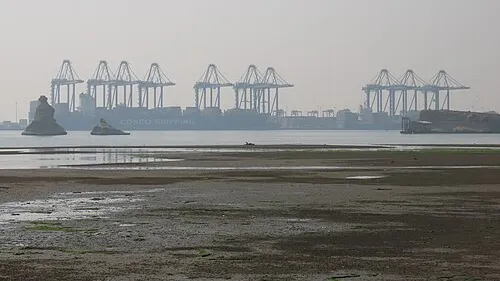
The World Trade Organization (WTO) on Thursday sharply raised its forecast for global trade growth this year, and named Pakistan among the countries benefiting in some ways from shipping disruptions caused by the Middle East conflict.
In its Global Trade Outlook Update 2026, the Geneva-based body said its economists now expect world merchandise trade volume to grow by 3.9 per cent in 2026 and 4.1pc in 2027, up from 1.9pc and 2.6pc forecast in March, at the start of the US-Iran conflict, Dawn reported.
How Pakistan is gaining
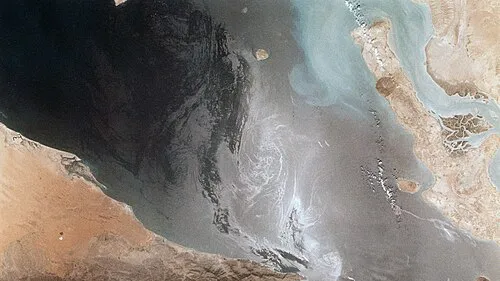
The WTO said that while the closure of the Strait of Hormuz disrupted fuel transport for many countries, the redistribution of shipping traffic was creating openings elsewhere.
“For example, Pakistan’s exports of sea freight transport services rose by 73pc year-on-year in the first half of 2026, as its transport operators benefited from increased traffic,” it said.
Other points the WTO made about Pakistan:
- vessel calls at major container terminals in Karachi were still 14pc higher year-on-year in July
- Pakistan’s computer services exports rose by 23pc in the second quarter, compared with 34pc for Malaysia and 13pc for Brazil
The costs of rerouting
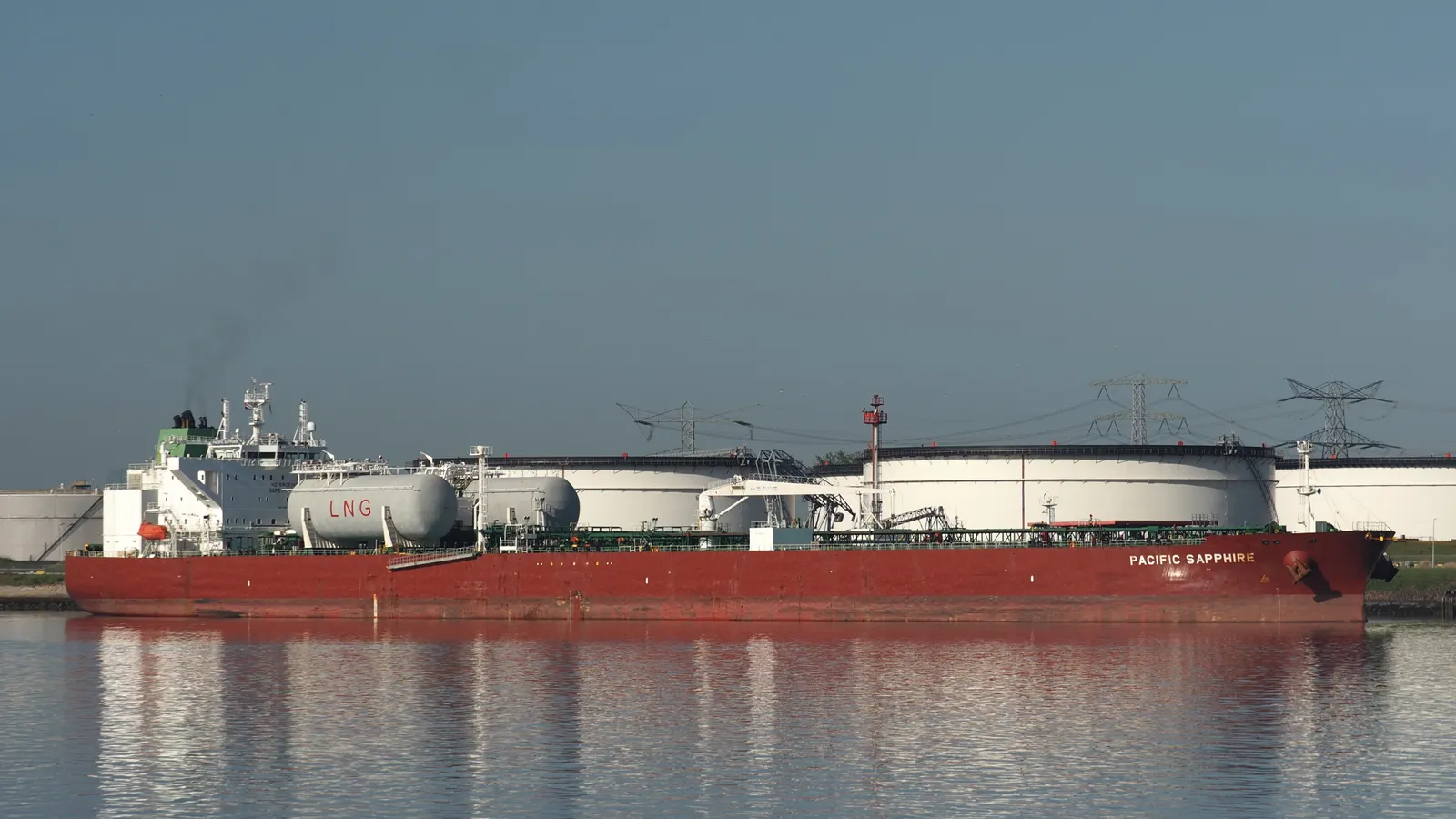
The WTO also noted that the rerouting of ships and containers to alternative ports and transshipment hubs had put pressure on capacity in South Asia, pushing up charges. In July, the Mediterranean Shipping Company introduced a congestion surcharge of $500 per container on shipments from Northern Europe to India, Pakistan, Sri Lanka and Bangladesh.
“Longer waiting and transit times are increasing costs for carriers and traders, some of which may ultimately be passed on to consumers,” it said.
AI drives the upgrade
The WTO said the global economy had proved resilient, thanks to a stronger-than-expected surge in AI-related investment and more supplies of fuel and fertiliser from outside the Middle East.
AI-enabling goods made up 47pc of global merchandise trade growth in value terms in the first half of 2026. Reduced shipments of oil, gas and fertiliser have weighed on trade, but so far the AI boom has outweighed them.
Services are a different story. The WTO cut its 2026 forecast for commercial services trade volume growth to 3.3pc from 4.8pc, as the conflict has hit travel and tourism in the region and raised fuel costs worldwide. It expects services growth to recover to 6.4pc in 2027, but only if the conflict is resolved in time.
Overall, goods and services trade volume is forecast to grow by about 3.7pc in 2026 and 4.7pc in 2027.
Prices outpace volumes
The dollar value of world merchandise trade rose 15pc year-on-year in the first half of 2026, against 3.5pc growth in volume. The WTO called this one of the largest gaps between value and volume in recent years, reflecting higher prices for fuel and for electronic components for data centres.
Risks ahead
The WTO warned that the gap between crude and refined oil prices was eroding households’ purchasing power, and that a slowdown in AI investment could hit trade hard because of its high import content. It also said US-China decoupling had accelerated since 2025, although wider fragmentation into trade blocs had not intensified.
Why it matters
For Pakistan, the report points to a rare upside from the regional crisis: busier ports and growing shipping and IT services exports. But higher freight surcharges on South Asian routes show that the same disruption is also raising costs for traders.
This article draws on reporting by Dawn.
Comments
Comments are reviewed by our editors before they appear. Please keep them civil and on topic. See our terms.
No comments yet. Be the first to share your view.