


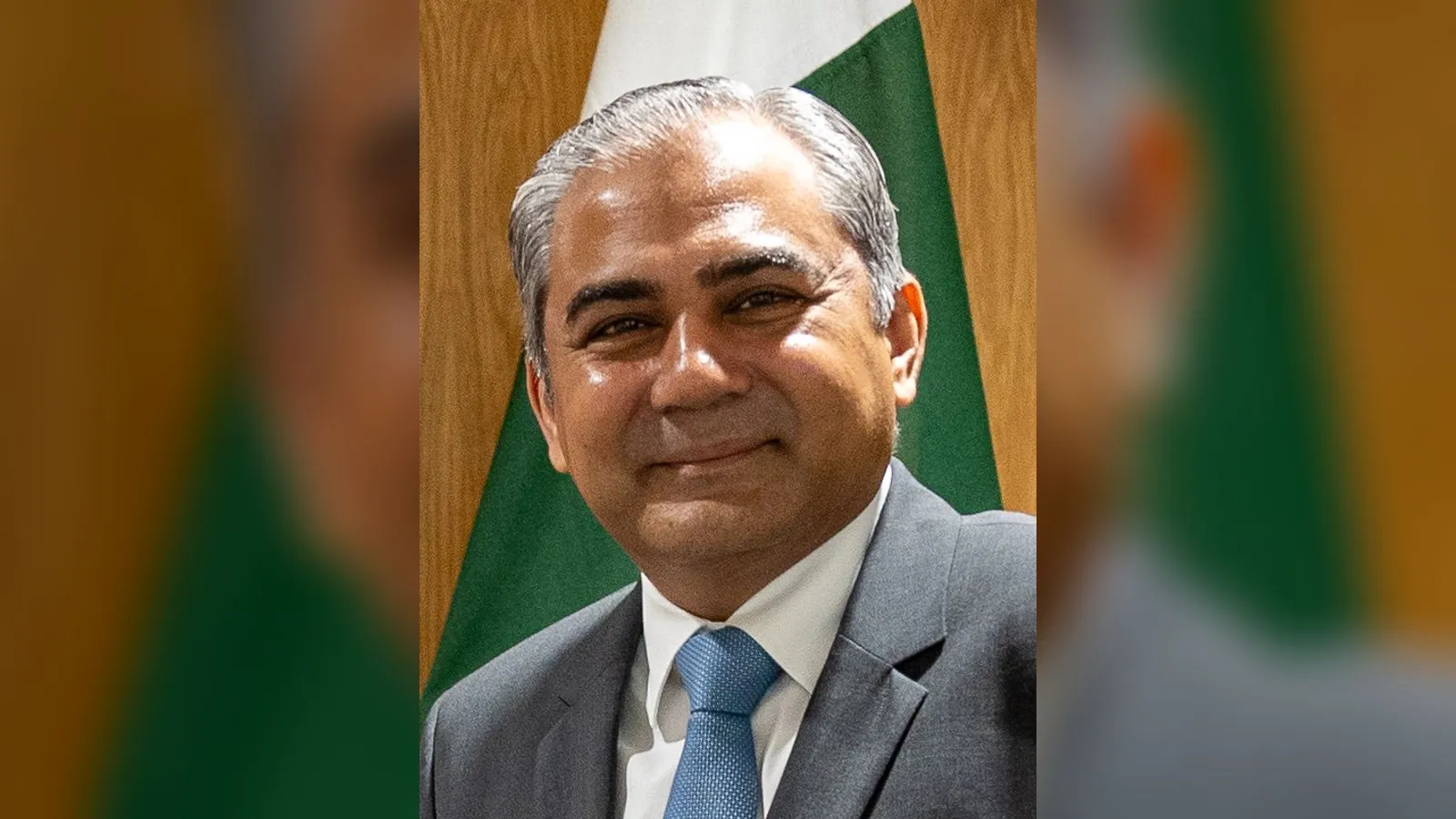
Sindh Chief Minister Murad Ali Shah has invited Chinese company HBSZ to lay a water pipeline of more than 100 kilometres to improve Karachi’s water supply, during a visit to the firm’s facility in Wuhan, where he also reviewed new gates being built for the Sukkur Barrage.
“A 100-kilometre-long pipeline will be laid to improve water supply in Karachi,” the chief minister said, adding that the Sindh government wanted the project finished early and would begin laying the pipeline as soon as possible, ARY News reported. The company expressed its willingness to take on the project.
Irrigation Minister Jam Khan Shoro accompanied the chief minister at the HBSZ facility.
New gates for Sukkur Barrage
Shah inspected the gates being manufactured in China for the restoration and modernisation of the Sukkur Barrage, which he called the “economic jugular vein” of Sindh. He said the barrage was among the major barrages in the world in terms of its command area.
He was briefed on the progress of the project:
- Gates replaced: 44 of the 54 gates and their opening systems have been replaced and activated, and civil repairs on the 44 river gates are complete
- The rest: the remaining 10 gates have been fabricated and will soon be shipped to Sukkur
- Size: each gate weighs more than 50 tonnes
- Canal gates: 100 canal gates are also being prepared
- Timeline: the project began on February 24, 2023, with a target completion date of June 30, 2027, and is now in its fourth year
The contract for modernising and rehabilitating the barrage was awarded jointly to CRBC and HBSZ, as part of wider efforts to rehabilitate both the Sukkur and Guddu barrages. It is funded by the World Bank, the federal government and the Sindh government.
Lessons from the Three Gorges Dam
On Monday, Shah visited the Three Gorges Dam on the Yangtze River, the world’s largest hydroelectric power station, Dawn reported. Officials told him the dam, completed in 2012, has an installed capacity of 22,500 megawatts and produces more than 100 terawatt-hours of electricity a year, while also controlling floods and aiding navigation.
Shah said Sindh faced growing challenges from climate change, including devastating monsoon floods and water shortages in dry periods, making effective water management a strategic priority. He noted that the province received large seasonal flows through the Indus but had limited capacity to store surplus water.
“We must explore innovative solutions for water storage, flood mitigation and irrigation management to ensure sustainable development and water security for future generations,” he said.
He also stressed the need to protect the Indus Delta and stop seawater intrusion in coastal areas. “Any strategy for water conservation must safeguard the ecological requirements of the Indus Delta while enhancing agricultural productivity and protecting vulnerable communities from floods and droughts,” he said. He directed officials to study Chinese practices in hydrological monitoring, reservoir operations and river basin management.
The visits are part of the chief minister’s week-long tour of China aimed at strengthening cooperation in infrastructure, investment, technology, education and sustainable development.
Why it matters
The pipeline is meant to improve Karachi’s water supply, and the Sukkur Barrage is, in Shah’s words, the economic jugular vein of Sindh. Finishing both on time, with Chinese help, would matter to city residents and farmers alike. Read our report on the 25 percent water shortage expected for the Rabi season.
This article draws on reporting by ARY News and Dawn.

Comments
Comments are reviewed by our editors before they appear. Please keep them civil and on topic. See our terms.
No comments yet. Be the first to share your view.