

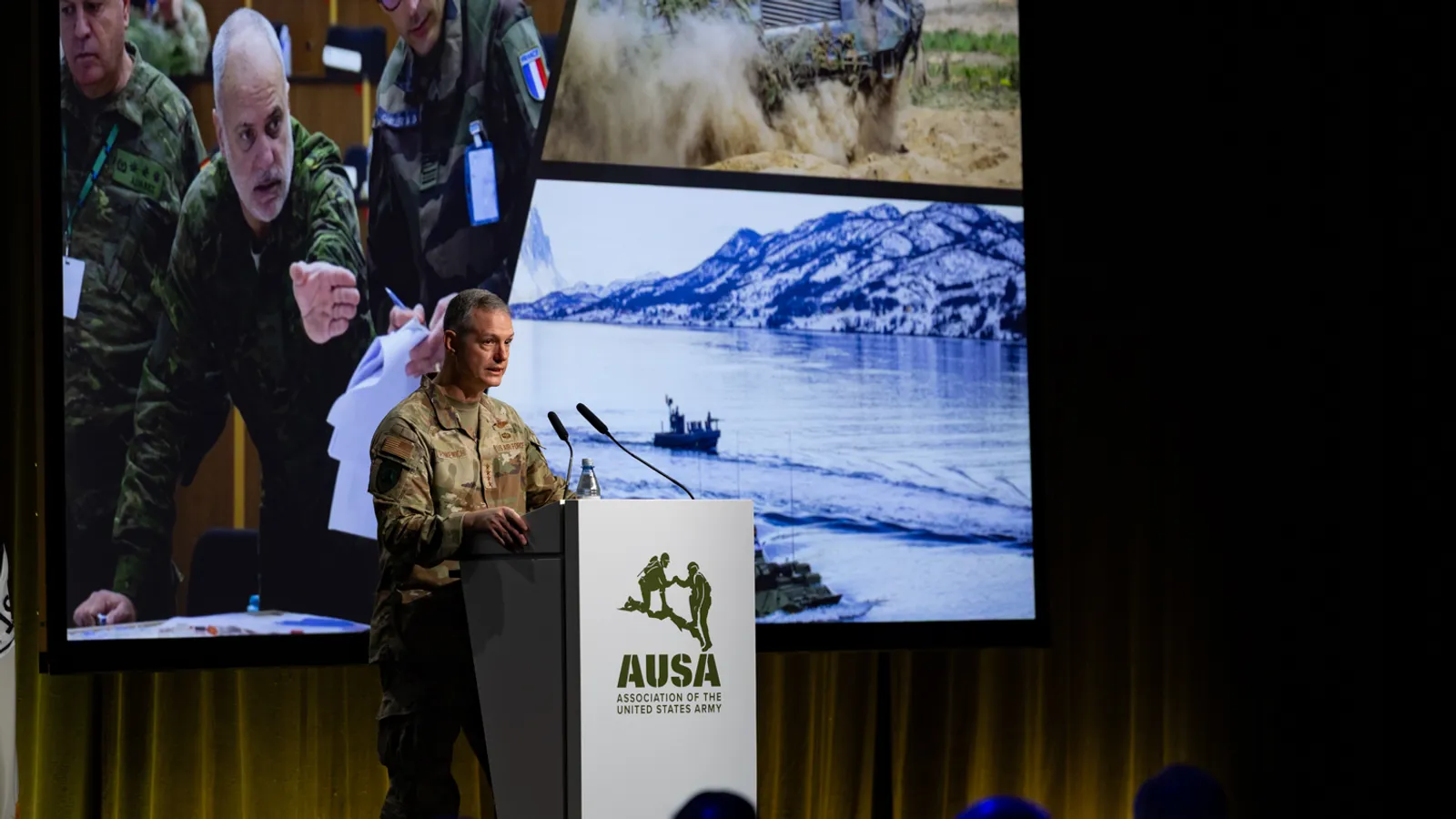
NATO’s top military commander warned Russia on Monday that the alliance would destroy “anything and everything” involved in any attack if Moscow was “foolish enough” to strike alliance territory.
Speaking at the Warsaw Security Forum, US Air Force General Alexus Grynkewich, NATO’s Supreme Allied Commander Europe, stressed that NATO was a defensive alliance, Dawn reported. But he set out a three-part approach of blocking, blunting and breaking enemy forces to make any attack “utterly futile”.
“We will fight”
“If someone is foolish enough to attack us, we will fight,” Grynkewich said. “We will, in short, ensure any attack, against any ally, proves utterly futile.”
He said the response would not be limited to the forces involved in a first attack. “Should the adversary choose to press the attack or commit his reserves, we will break the warfighting system engaged against us,” he said. “This includes not just the attacking force itself, but anything and everything that supports, sustains, and controls that force.”
Grynkewich did not name Russia, but much of his message was clearly aimed at Moscow. NATO’s 2022 Strategic Concept describes Russia as the alliance’s most significant security threat.
Why he spoke out
Grynkewich said he had decided to speak publicly about NATO’s plans because recent acts of sabotage and arson had made people across the alliance nervous.
“What I want to do is assure the one billion citizens of our alliance that we’ve got this. We know what we need to do. We know how we would do it,” he said. He said he also wanted to send a message to anyone thinking of harming NATO members.
Tensions with Moscow
The warning comes amid rising tension between Europe and Russia:
- Hybrid attacks: European governments accuse Moscow of stepping up a campaign of sabotage, drone incursions and cyberattacks, which Russia denies
- Nuclear warning: Russia warned last month it could use nuclear weapons if NATO tried to cut off its Kaliningrad exclave
- Moscow’s position: President Vladimir Putin said this month that Russia had no plans to attack any European country and wanted to coexist peacefully, but European leaders remain unconvinced because Russia made similar statements before its 2022 invasion of Ukraine
Questions over Washington
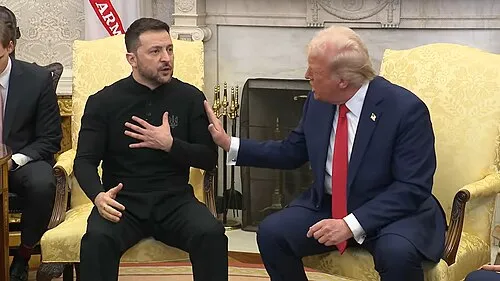
European allies also have lingering concerns about President Donald Trump’s commitment to NATO’s mutual defence pact. In recent days, Trump has announced a deal allowing Russia to supply diesel to global markets and renewed his criticism of Ukrainian President Volodymyr Zelensky.
Grynkewich sought to play down those concerns, recalling that Trump spoke of “love” at a NATO summit in Ankara in July. “I was in the room and I felt the love,” he said.
Trump’s envoys Steve Witkoff and Jared Kushner told Ukrainian officials in Miami on Friday that the diesel deal was part of an effort to draw Russia back to negotiations, three people familiar with the meeting told Reuters, as reported by The Express Tribune. They said Putin was not ready to negotiate an end to the war and that the deal could help restart three-way talks. One person said the US told the Ukrainians the deal could help “soften” Moscow’s position because it “sends a signal that Trump is open to do things” with Russia.
Why it matters
Europe is caught between fears of Russian pressure on its eastern flank and doubts about American commitment. NATO’s commander has chosen public reassurance as his answer, while Washington pursues its own deal-making with Moscow. Read our reports on Russia’s nuclear warning over Kaliningrad and on Trump’s call for a new Ukrainian president.
This article draws on reporting by Dawn, The Express Tribune and Reuters.
Comments
Comments are reviewed by our editors before they appear. Please keep them civil and on topic. See our terms.
No comments yet. Be the first to share your view.