


Prime Minister Shehbaz Sharif has ordered Pakistan’s foreign ministry to find every possible way to send more humanitarian help to Gaza, after storms flooded tens of thousands of tents sheltering displaced Palestinians. In a post on X on Monday he said photos from the territory were “heart rending”, with children trapped in flooded tents and nowhere to go.
What the prime minister said
Mr Sharif wrote that he had directed the Ministry of Foreign Affairs “to pursue all possible means to escalate humanitarian assistance urgently”. He added that he was deeply concerned about continued Israeli actions that deny basic aid to the Palestinian people, and that he “strongly” condemned what he described as violations of the ceasefire and of international law.
The post did not say what form the help would take, how much would be sent, or by which route. Those details have not been announced.
The scale of the flooding
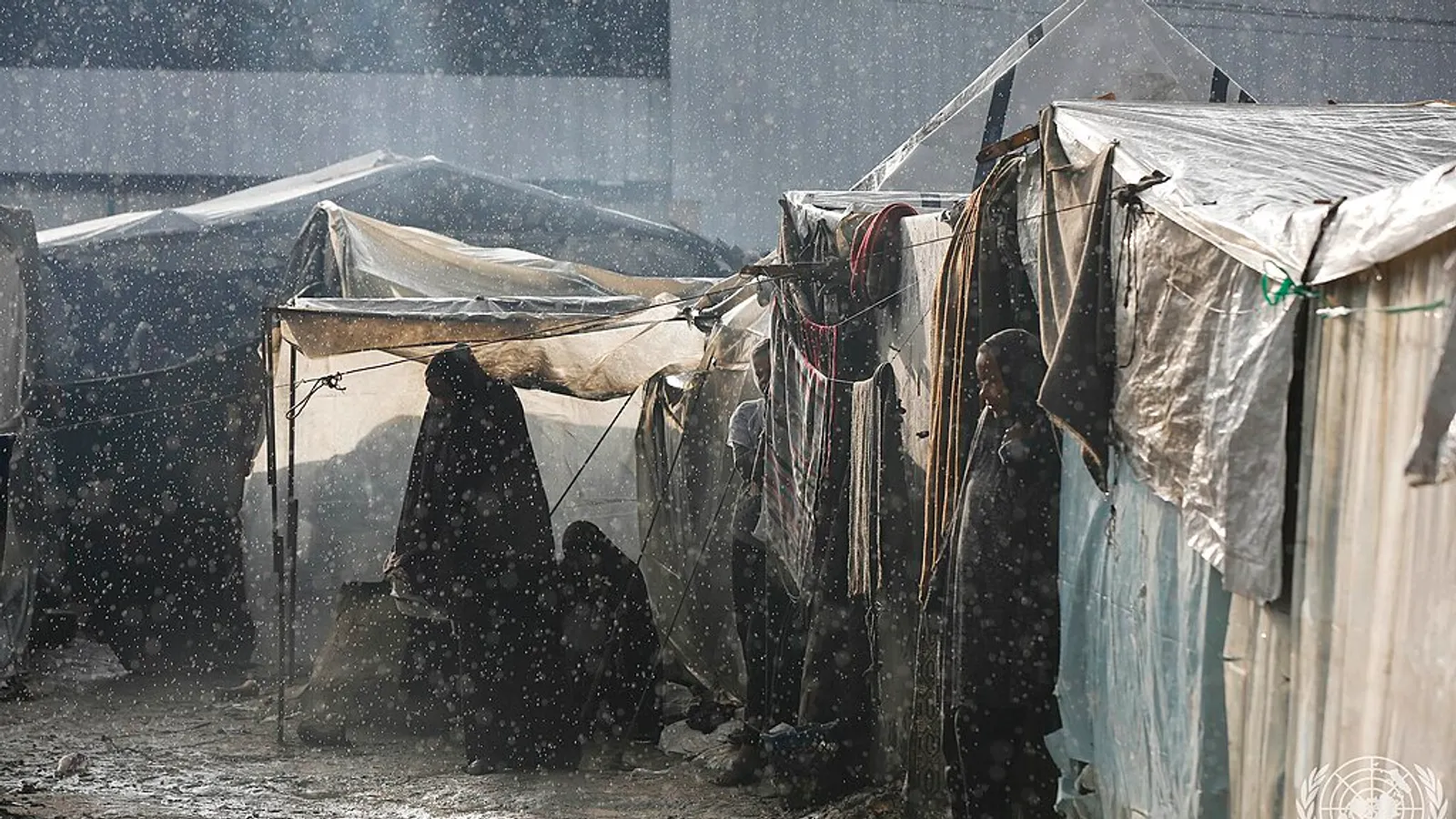
The Gaza government media office, run by the Hamas-led authorities, said at least 70,000 tents were flooded within 12 hours on Sunday, affecting tens of thousands of displaced people and causing injuries but no reported deaths. Some shelters were washed away. We reported the flooding and its causes on Sunday.
Gaza’s civil defence service said it had received 1,500 distress calls. Municipal and civil defence officials said they could not cope with the storm. They blamed fuel shortages and damage to equipment, saying Israel had destroyed hundreds of vehicles, among them bulldozers and the pumps used to clear water, during its assault on the territory. Those are the officials’ claims, and we have not been able to verify the vehicle losses independently.
Voices from the camps
At a tent camp in Gaza City on Sunday, families tried to prop up their shelters, banked sand against the water, and carried children out of flooded tents. Olfat Magdoub, who lives in a tent there, said it was only the first day of rain and already everything was flooded: “What will happen if it rains again the next day?” She said that two weeks ago, in an earlier storm, she slept for four days on blankets on the floor because the bedding was soaked.
Another resident, Rafiq Ghattas, standing barefoot in a large pool of water, said they had no resources, tarpaulins or tents, and that no one was checking on them.
Behind the emergency
| Fact | Detail |
|---|---|
| People killed in Gaza, according to Palestinian authorities | More than 74,000 since the Israeli assault began |
| Territory held by Israeli forces | More than 60% |
| Population living in temporary shelters | More than two million Palestinians, mostly |
| Aid dependence | A majority of Gazans rely on aid |
Last year’s US-brokered ceasefire called for Gaza’s eventual reconstruction, but little progress has been made. Israel continues almost daily air strikes, according to the reports, and aid agencies say supplies remain inadequate. After three years of Israeli bombardment, repeated displacement and tight limits on aid deliveries, many families have no walls to protect them from winter weather.
Why it matters
A prime minister’s order to a ministry is only a first step, but it reflects a long-held Pakistani position that the ceasefire must hold and that aid must reach Gaza without obstruction. For people in the camps, the practical question is what can be delivered before the next storm: tarpaulins, tents, bedding, fuel for pumps and winter clothes are all urgent, and most of what enters Gaza depends on crossings that Israel controls.
The first weeks of winter will test every aid group on the ground, and families have said they were already short of tarpaulins and tents before the rain began.
What to watch
- Whether the foreign ministry announces specific shipments, funds or a donation drive, and how they will reach Gaza.
- Whether Pakistani relief goods, if sent, are coordinated with the agencies already operating inside Gaza.
- Whether more rain is forecast, and whether crossings carry more shelter material in the coming days.
- Whether the governments that brokered the ceasefire press for fewer restrictions on aid deliveries.


Comments
Comments are reviewed by our editors before they appear. Please keep them civil and on topic. See our terms.
No comments yet. Be the first to share your view.