

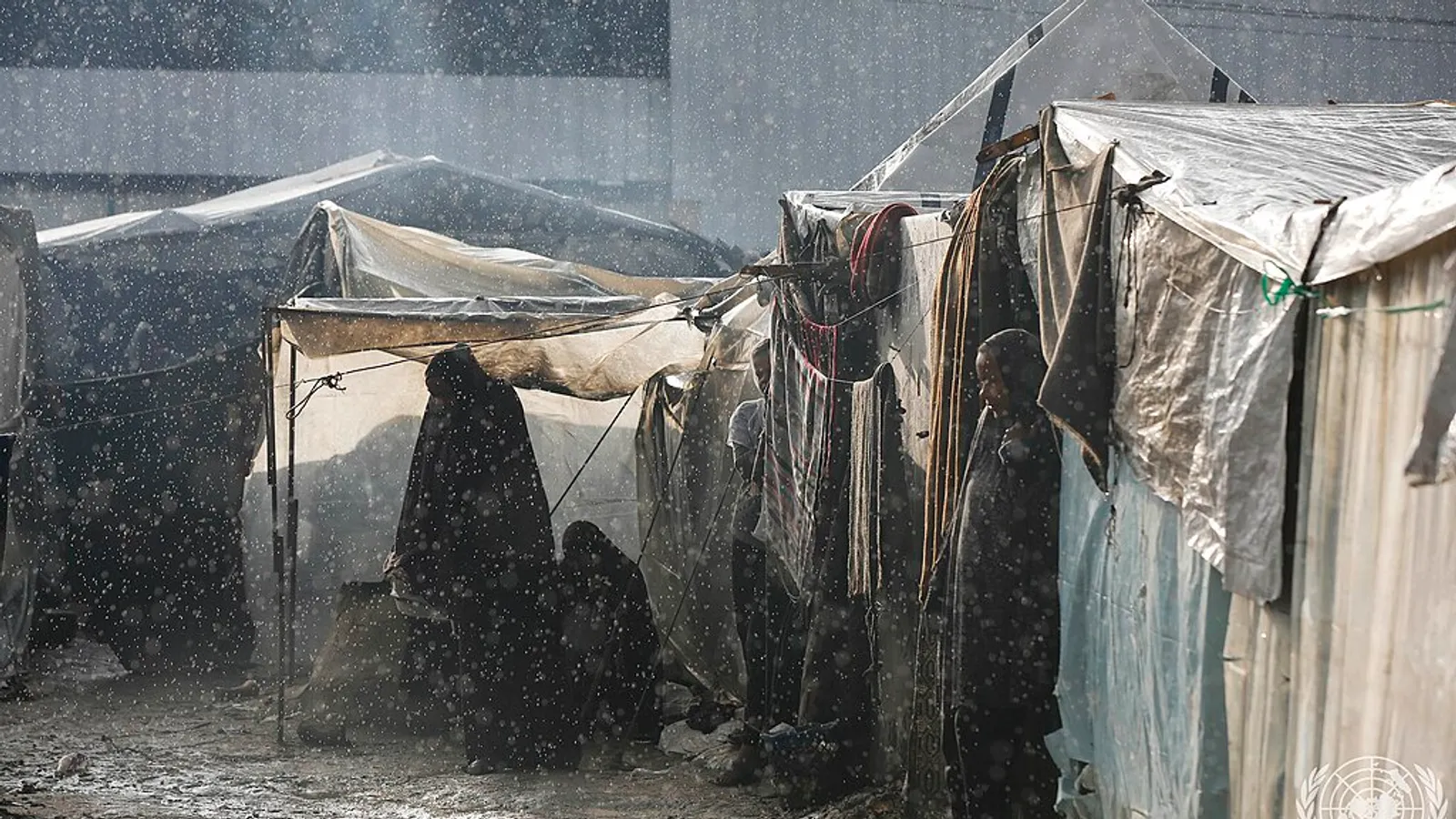
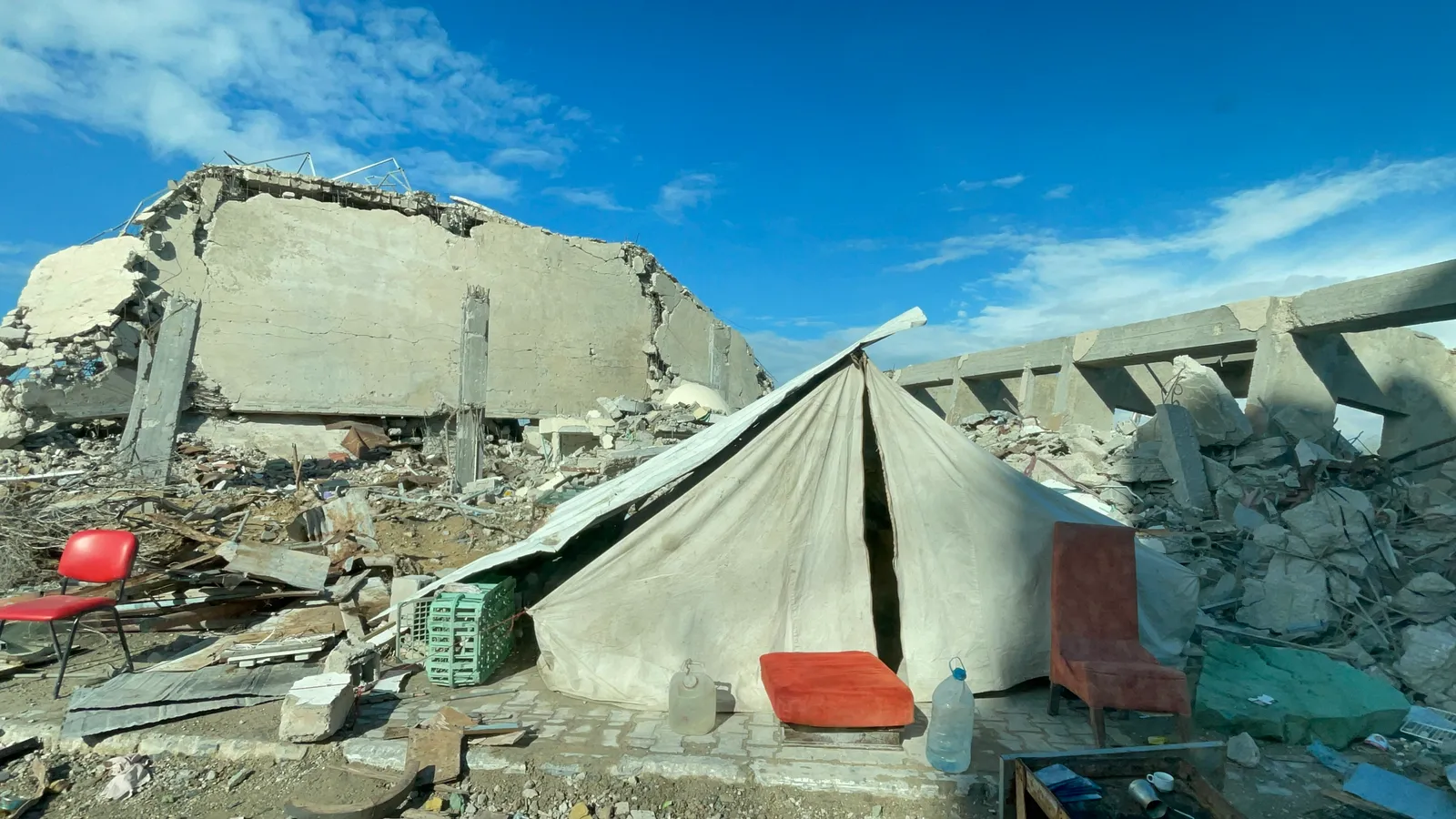
A senior UN official has warned that the situation in Gaza and the occupied West Bank is dangerously fragile, as families face another winter in worn-out tents and commercial goods have stopped entering the territory amid a dispute over payments.
Ramiz Alakbarov, the UN’s acting special coordinator for the Middle East peace process, told the Security Council on Thursday that Israeli military operations had continued since the ceasefire, “causing some 1,500 fatalities, including more than 320 children”, The Express Tribune reported.
“Desperation is palpable”
“Today, I feel obliged to sound the alarm. In Gaza, desperation is palpable,” Alakbarov said, warning that the risk of a return to war was extremely high and “must be avoided at all costs”.
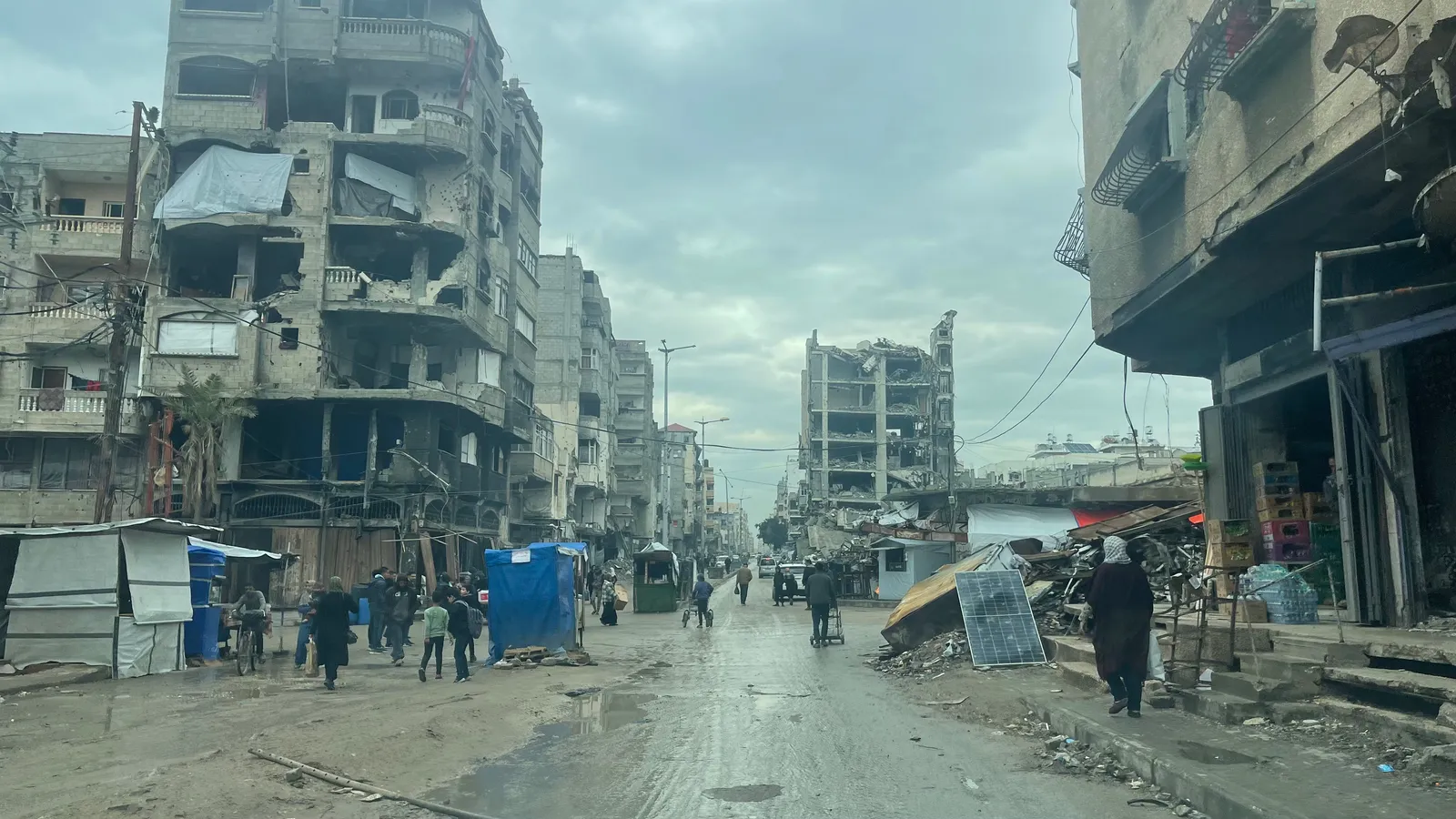
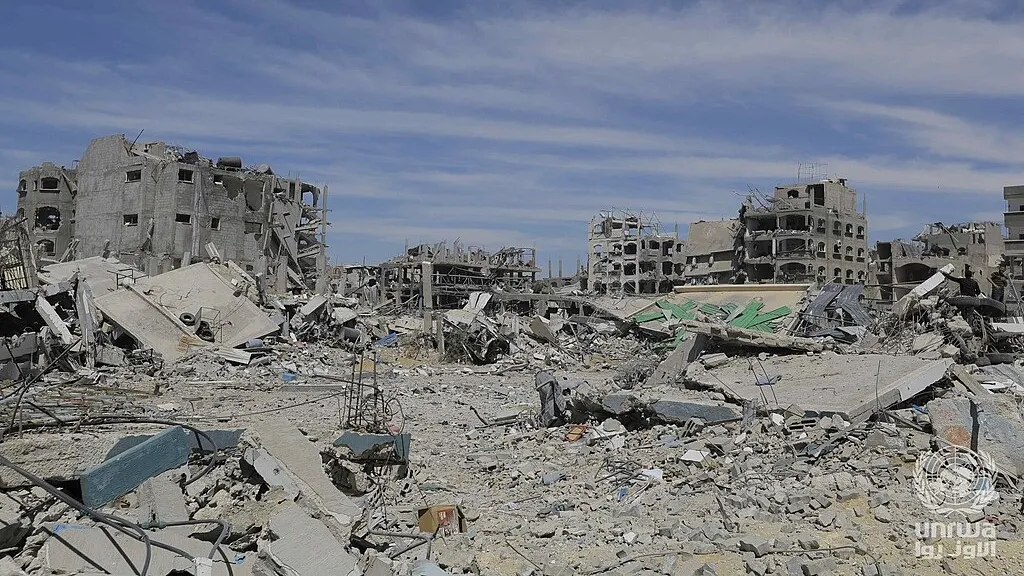
He described families living in worn-out tents, overcrowded displacement sites and badly damaged buildings, with water and sanitation systems devastated. “Most of Gaza still lives in darkness,” he said. “People in Gaza must not be forced to endure another winter without safe shelter and basic services.”
In the occupied West Bank, including East Jerusalem, he said the situation continued to deteriorate amid Israeli military operations, movement restrictions and displacement, with settler violence at “extremely high levels” and daily attacks on Palestinians.
“Palestinians and Israelis deserve more than short-term fixes. They deserve a credible path to peace and finally an end to this conflict,” he said.
Commercial goods halted
Israel said on Thursday that commercial goods usually brought into Gaza by private merchants had not entered for days, blaming Hamas threats and a tax scheme, an accusation Hamas rejected, Dawn reported, citing AFP.
- Israel’s claim: COGAT, the Israeli agency that controls civilian affairs in the Palestinian territories, said merchants had suspended coordination “until further notice”, alleging Hamas demanded about 10,000 shekels ($3,200) per truck and that traders sell about 30 percent of goods in cash
- Hamas’s response: in a letter to mediators Egypt, Qatar and Turkiye, Hamas “categorically” denied imposing taxes or fees on commercial trucks, saying the payment was a “voluntary community initiative” by businesspeople for a relief fund
- The stakes: COGAT said private traders account for roughly half of all trucks entering Gaza each week
Nickolay Mladenov, the Gaza representative of the US-backed Board of Peace, condemned reported “threats and coercion” against merchants. The International Organisation for Migration last week called on Israel to ease the “constraints” on critical supplies entering Gaza.
A territory still under blockade
Gaza has been under blockade since before October 2023 and remains in a severe humanitarian crisis despite a ceasefire in place since October 2025. Any further cut in supplies would hit families who already depend on what little gets through.
Why it matters
A year after the ceasefire, Palestinians in Gaza are still being killed, still living in tents and now facing fewer goods on the shelves as winter arrives. The UN’s warning is that the world cannot treat a fragile pause as peace. Read our reports on Pakistan’s statement at the UN Security Council and on hunger in Gaza and Sudan.
This article draws on reporting by The Express Tribune, Dawn and AFP.
Comments
Comments are reviewed by our editors before they appear. Please keep them civil and on topic. See our terms.
No comments yet. Be the first to share your view.