

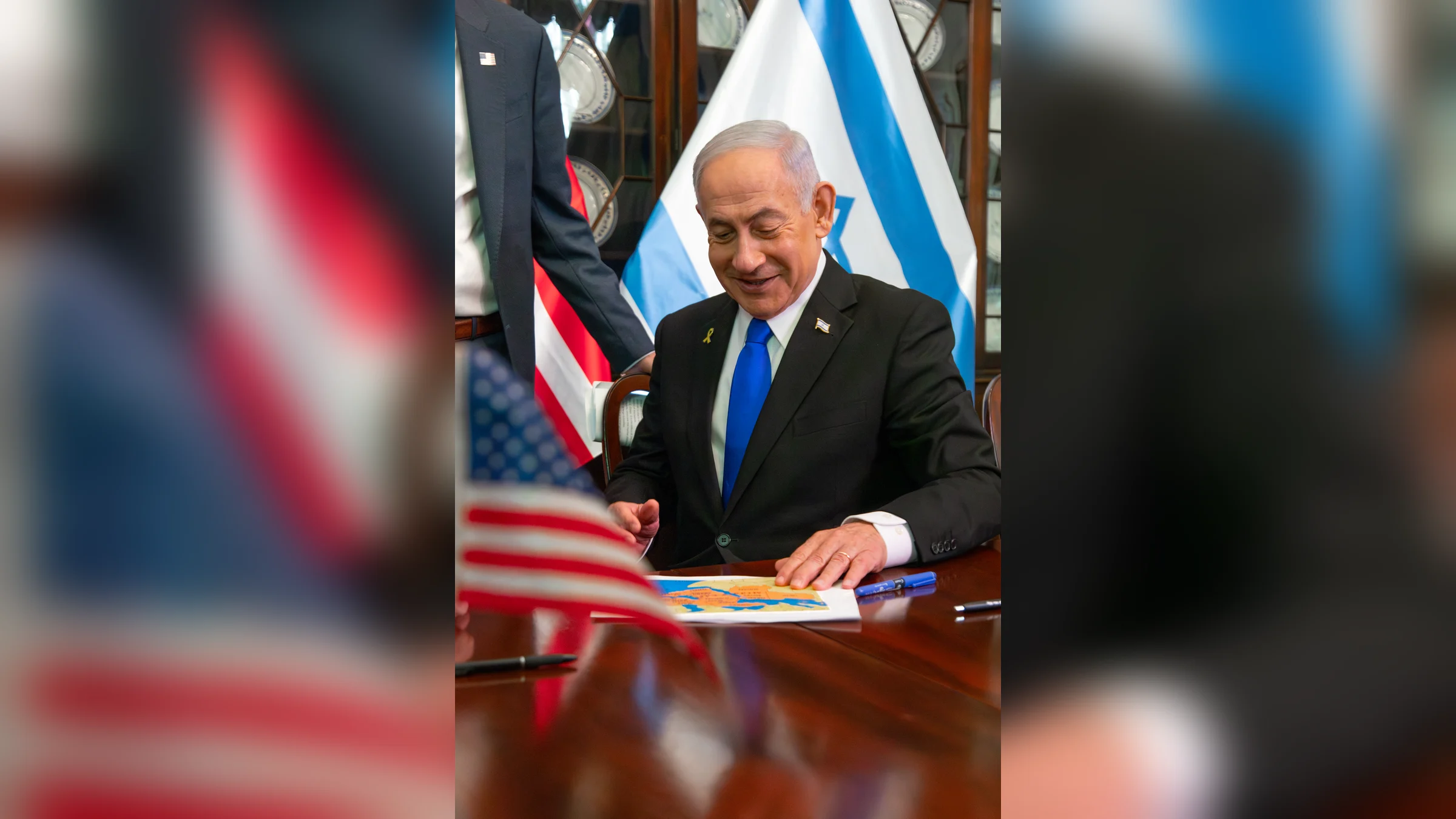
Israelis vote on Tuesday in the country’s first election since the October 7, 2023 attack, in a contest widely seen as a verdict on Prime Minister Benjamin Netanyahu and the wars that followed, Dawn and Geo News reported.
The last published polls showed Netanyahu, Israel’s longest-serving prime minister, running neck and neck with his main rival, Gadi Eisenkot, a former military chief of staff who leads the Yashar party.
The numbers
- Voters: about 7.3 million people are eligible, including more than half a million first-time voters.
- Majority: 61 seats are needed in the 120-member Knesset, and no single party is expected to come close.
- Timing: final results could take days, and forming a coalition could take weeks or months, with a fresh election possible if talks fail.
Tens of thousands of Israelis are estimated to have flown home from abroad to vote, Dawn reported, citing AFP.
Netanyahu leans on Trump
Netanyahu, 77, has campaigned on his security record and his relationship with US President Donald Trump, who endorsed him again on Sunday. “Vote for Bibi Netanyahu for Prime Minister, we have to finish the job that we started!” Trump wrote.
Netanyahu said Trump was ready to take action that would “finally, finally, remove the Iranian threat”, but only if he stayed in power. He said he had instructed the Mossad and the army “to bring down this regime”.
The White House played that down. “The United States will not be attacking Iran at any time prior to the midterm elections,” Deputy Press Secretary Anna Kelly said, referring to the November 3 US vote.
Eisenkot: “fear-mongering”
Eisenkot accused Netanyahu of “relying on a campaign of fear-mongering, lies and threats”, after the prime minister posted an AI-generated image of a mushroom cloud over Tel Aviv. Eisenkot has pledged an independent state inquiry into the failures of October 7, which Netanyahu’s government has resisted.
Eisenkot is no dove. Like nearly all Jewish-led parties, he opposes a Palestinian state and supports settlements, though he has promised to crack down on violent settlers. He has ruled out partnering with Arab parties, which represent about 21pc of Israel’s population and could still become kingmakers in a close result.
Background: two years of war
Since October 7, Israel has reduced much of Gaza to rubble, occupied southern Lebanon and, with the US, attacked Iran. Gaza health authorities say Israeli attacks have killed 74,000 people. Netanyahu also faces a long-running corruption trial, and charges he denies.
Violence in the occupied West Bank has also surged. This month Israel launched a military operation in Hebron, which the UN has said raises concerns of ethnic cleansing.
Why it matters
For Palestinians, neither main candidate offers a path to statehood, so the real question is how hard the next government pushes in Gaza and the West Bank. A Netanyahu win with far-right partners Itamar Ben-Gvir and Bezalel Smotrich would likely mean more of the same. For the wider region, including Pakistan’s Gulf partners, the result could decide whether war with Iran resumes.
What to watch: exit polls on Tuesday night, the Arab parties’ turnout, and whether Netanyahu can again stitch together a coalition. If no one can, he would stay on as caretaker until another election next year.
This article draws on reporting by Dawn and Geo News.



Comments
Comments are reviewed by our editors before they appear. Please keep them civil and on topic. See our terms.
No comments yet. Be the first to share your view.