
Sindh’s urban-rural quota system, introduced about four decades ago to close the gap between the province’s cities and countryside, is facing fresh scrutiny, with a growing number of educated Sindhi voices now joining long-standing calls from Urdu-speaking circles to scrap it.
The debate has been revived by the latest Medical and Dental College Admission Test (MDCAT) results, in which students from some of Sindh’s poorest districts, including Tharparkar, outperformed candidates from Karachi, Hyderabad and Sukkur, The Express Tribune reported.
A question of purpose
For critics, the results raise a basic question: does a policy designed to make up for rural deprivation still serve its purpose?
What was once framed largely as an urban-rural or Sindhi-Urdu dispute is changing. Some educated Sindhi-speaking professionals and academics now argue that better schools and hospitals in rural Sindh have narrowed the gap, and that the quota system now deepens divisions between communities rather than healing them.
Who wants change
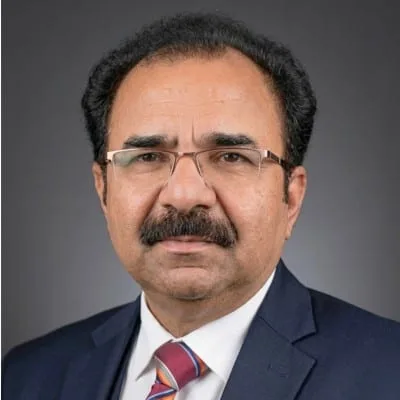
- Abdul Aleem Lashari, a retired bureaucrat who served in many posts in Sindh, wrote on social media that “this is the right time to abolish the quota system”, and told the Tribune the province no longer needed it
- Nadeem Memon, a serving bureaucrat, said many young people in Karachi now prefer private-sector and multinational jobs, and that ending the quota could bring urban youth back to the competitive civil service examinations
- Naseer Memon, a prominent Sindhi scholar based in Islamabad, said the gap between urban and rural areas had narrowed, though facilities were still not equal, and called for the quota to be replaced with equal, merit-based opportunities
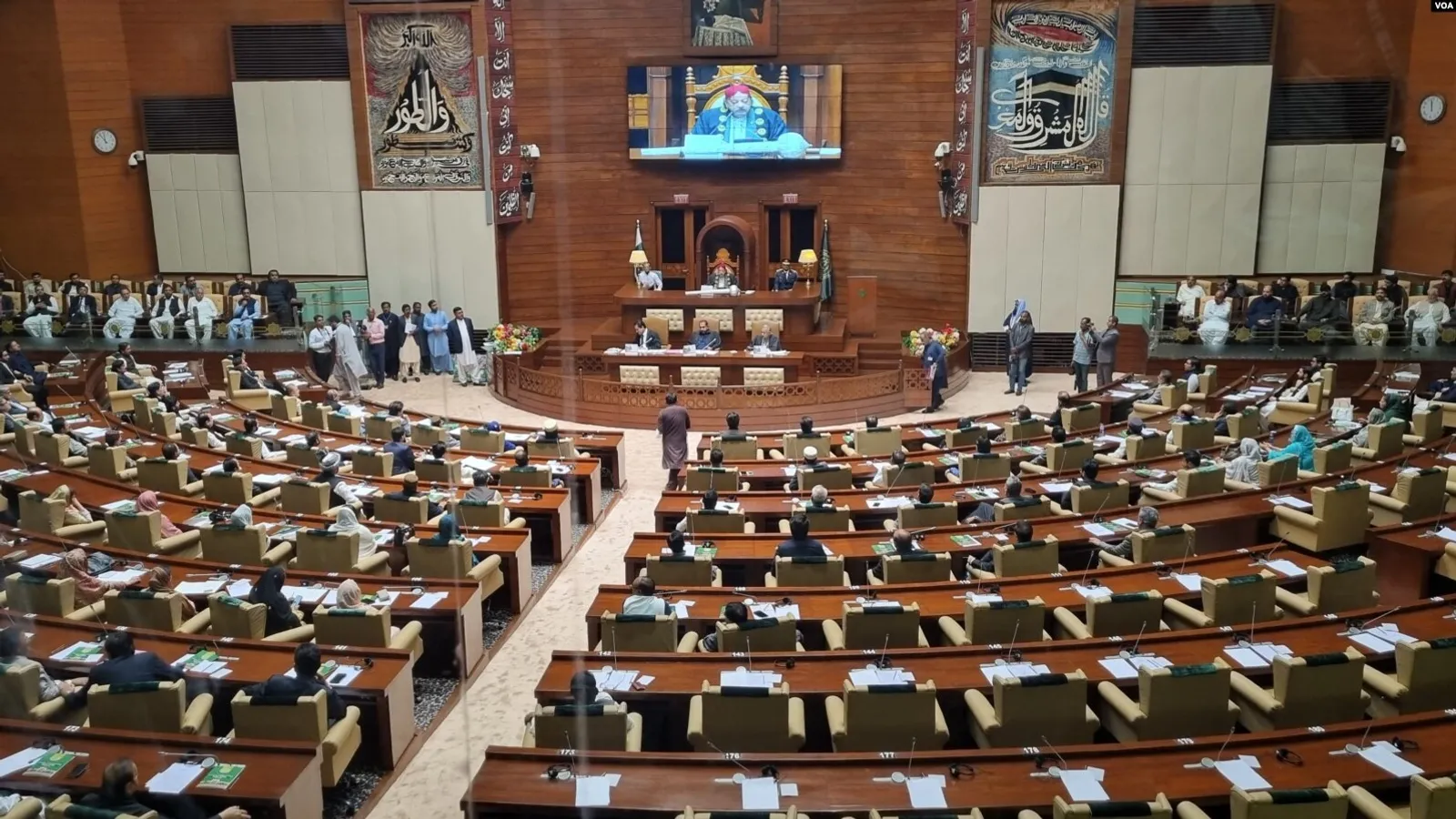
- Taha Ahmed Khan, MQM-Pakistan’s deputy parliamentary leader in the Sindh Assembly, called the quota discriminatory from the start and accused the PPP of using it to institutionalise a divide between Sindh’s urban and rural people
“It is time to abolish this discriminatory system and provide equal opportunities to everyone,” Khan said.
The case for the quota
Supporters of the quota have long argued that rural Sindh, with weaker schools and fewer opportunities, needs a reserved share of government jobs and university places to compete fairly with Karachi and Hyderabad. Even some critics, such as Naseer Memon, accept that facilities in the two areas are still not equal.
Tharparkar’s surprise
The MDCAT results have become a symbol in the debate. Tharparkar, a desert district long associated with poverty, drought and hunger, is not where many would expect to find the province’s top medical candidates. Their success suggests that rural students, given better schools, can compete on merit, which critics say weakens the case for the quota, and supporters say shows what investment in rural education can achieve.
Why it matters
Few issues in Sindh are as sensitive as the quota, which touches jobs, education and identity in a province divided along urban and rural, Sindhi and Urdu-speaking lines. When voices from both sides begin to question it, the debate may finally move from slogans to a serious review of whether the system still works.
This article draws on reporting by The Express Tribune.

Comments
Comments are reviewed by our editors before they appear. Please keep them civil and on topic. See our terms.
No comments yet. Be the first to share your view.