

Pakistan recorded the highest score in South Asia on the 2026 Global Hunger Index released on Wednesday, reflecting a worsening food security crisis driven by economic instability, climate shocks and global conflicts.
The report, published jointly by Welthungerhilfe, the Institute for International Law of Peace and Armed Conflict at Ruhr University Bochum, and the Swiss organisation Helvetas under the theme “No Security Without Food Security”, found that progress in South Asia has largely stalled, with conditions in Pakistan and Afghanistan worsening since 2018, Dawn reported.
Pakistan’s picture
- Purchasing power: economic instability and sharp food price inflation have eroded what households can afford
- Undernourishment: has climbed from low in 2018 to medium
- Child wasting: has risen towards the high threshold
- Child stunting: remains very high, though Pakistan’s rate continues to fall
- Child mortality: has declined from very high levels in 2000 to medium today
Afghanistan’s stunting rate, by contrast, has edged up since 2018. Pakistan and Afghanistan have moved from the “alarming” to the “serious” category since 2000.
South Asia stalls
The region’s score stands at 23.5, in the serious category. It has fallen sharply from an alarming 37.5 in 2000, but most of that progress came before 2018.
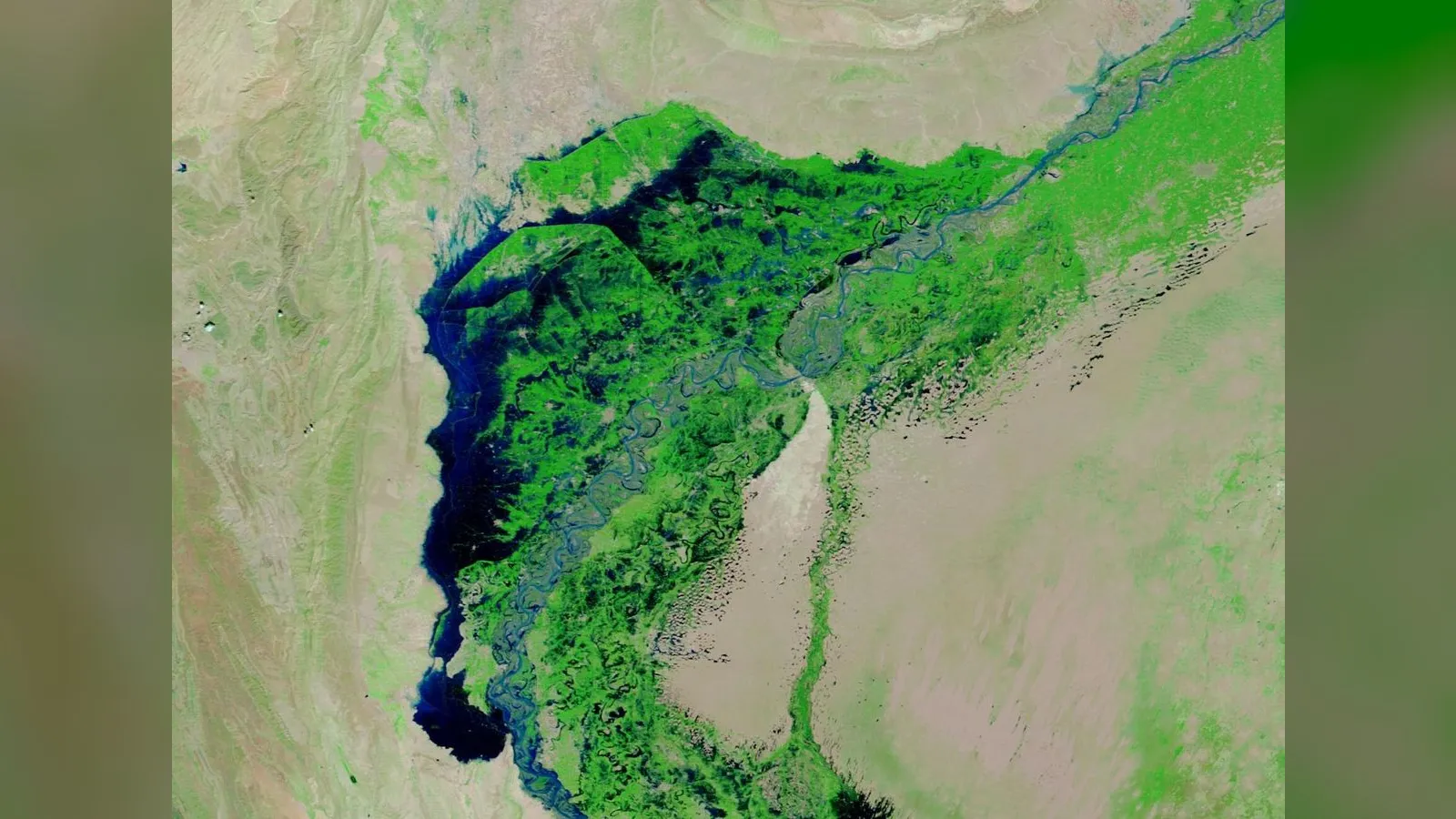
The report warned that high levels of acute food insecurity will persist. Heavy rains and floods caused crop losses in parts of Pakistan and Bangladesh, while low rainfall and high temperatures hurt Afghanistan’s 2026 cereal season.
According to Food and Agriculture Organisation estimates, 218 million people in South Asia, including Iran, were undernourished between 2023 and 2025, about a third of the global total.
Hunger rising worldwide
- Global score: 18.1 in 2026, worse than 17.6 in 2018, as hunger rises again after nearly two decades of progress
- Countries: hunger has increased in 32 countries since 2018, and 57 are on track to miss even low hunger levels by 2030
- Indicators: three of four, undernourishment, child stunting and child wasting, have worsened; only child mortality is still falling slightly
State-based armed conflicts, now at their highest level since World War II, and frequent extreme weather are major drivers, the report said.
The war’s toll on food
The war on Iran and shipping disruptions in the Strait of Hormuz and the Bab al-Mandab are driving up fuel, transport and fertiliser costs, while Russia’s war in Ukraine and Black Sea export restrictions threaten higher wheat prices, making basic supplies unaffordable across the Global South.
International spending on food security has fallen to 2016-17 levels, forcing cuts to aid programmes and emergency rations. The report urged governments to reverse cuts to humanitarian funding and data collection.
Why it matters
Behind Pakistan’s score are families who can no longer afford enough food and children whose growth is at risk. With wheat prices and fuel costs both under pressure, the findings are a warning that food security must be at the centre of economic policy. Read our reports on the wheat price debate and on hunger in Gaza and Sudan.
This article draws on reporting by Dawn.

Comments
Comments are reviewed by our editors before they appear. Please keep them civil and on topic. See our terms.
No comments yet. Be the first to share your view.