
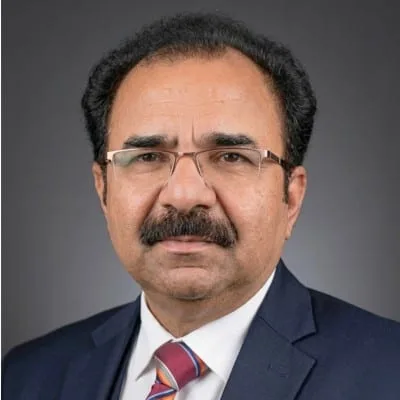
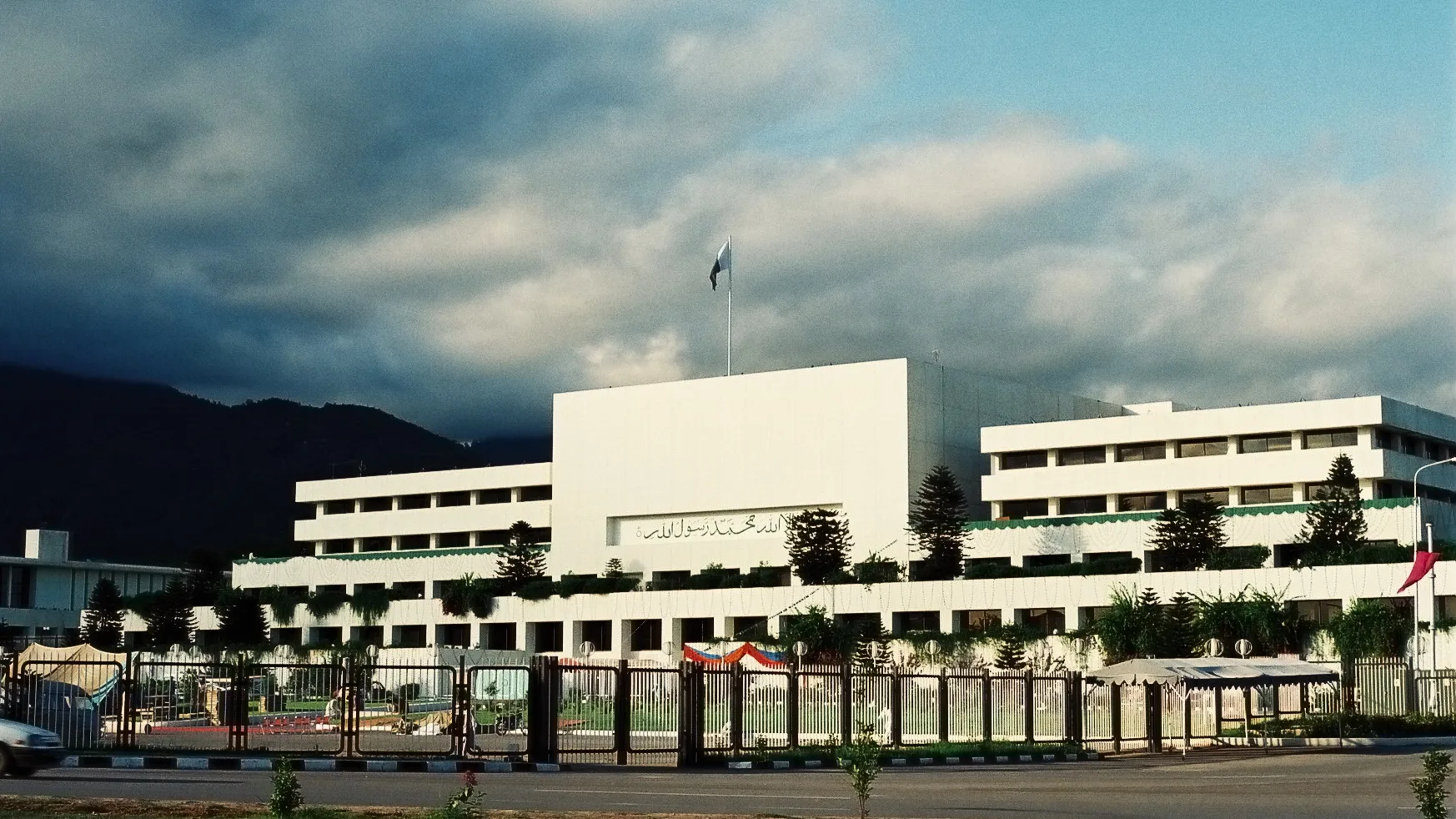
Governor’s rule in Khyber Pakhtunkhwa (KP) will end after six months, while the emergency will stay in place until peace is restored, Parliamentary Affairs Minister Dr Tariq Fazal Chaudhry told the National Assembly on Wednesday, The Express Tribune reported. He was replying to speeches by Maulana Fazlur Rehman of the JUI-F and Barrister Gohar Ali Khan, the PTI chairman.
“The governor’s rule will end after six months. Our objective is to restore peace within this period,” Chaudhry said, adding that the measures cover the whole province and are meant to restore peace and improve administration, not to take political power.
Special status for 12 districts
The minister said the 12 districts worst hit by terrorism have been given special status. Under the arrangement, police and security agencies in those districts can seek help from the federal government directly, without going through the chief minister’s or governor’s secretariat. The government’s aim, he said, is to clear these districts of terrorists within four to six months while building up the police.
A Rs160 billion package
Prime Minister Shehbaz Sharif has approved a package of Rs160 billion for the province, Chaudhry said, to be spent in three phases:
- First phase: the provincial police, with modern weapons, armoured vehicles, equipment and training.
- Second phase: healthcare, education, sanitation and infrastructure.
- Third phase: projects that he said were left unfinished during the PTI’s 12 years in power in the province.
The largest share will go to the 12 worst-affected districts, he said.
Answering the opposition
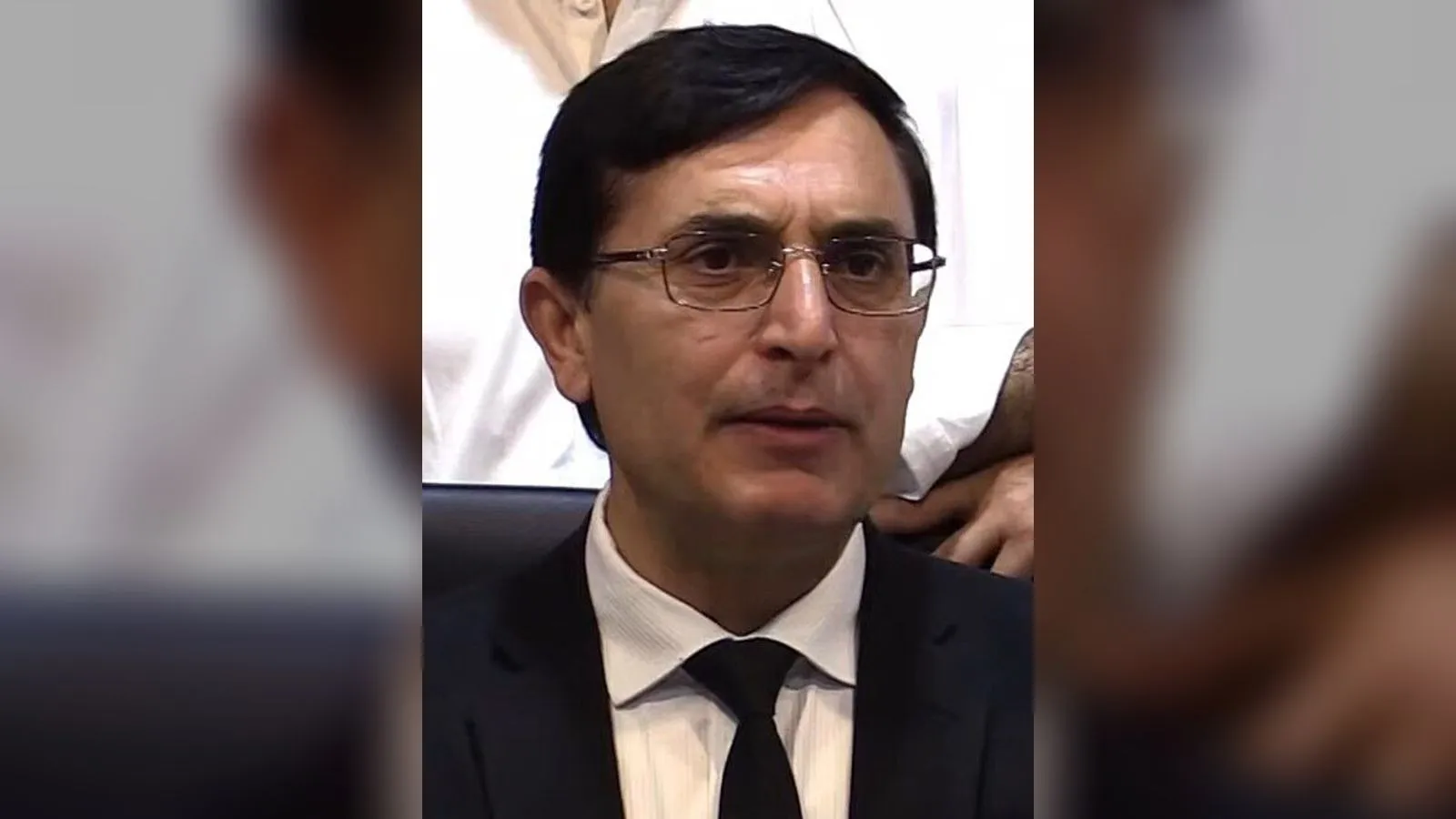
Gohar Ali Khan had alleged that a particular political party was being installed in the province. Chaudhry said neither the advisory council nor the council of elders formed after governor’s rule includes a representative of any party.
On the breakdown of talks, he said a proposed agreement had been sent to the KP leadership before the emergency, but then chief minister Sohail Afridi rejected it, which ended the discussions. He said Afridi had declared during a long march that he would neither work with the security forces nor back federal counter-terrorism measures. The PTI has rejected the imposition of governor’s rule, and the court has since issued arrest warrants for Afridi in a separate case; read our report on the arrest warrants in the Radio Pakistan attack case.
Minerals and Afghanistan
Fazlur Rehman has said the measures are aimed at the province’s minerals; see our report on his remarks on governor’s rule and minerals. Chaudhry rejected that. He said the people of each province have the first right to their mineral resources, but asked whether resources that have lain underground for decades should go on being unused when they could pay for health, education and other services. He also said foreign interest, including remarks by US diplomat Natalie Baker that American companies were willing to help explore minerals in KP and Balochistan, should not be read as an attempt to seize provincial resources.
On Afghanistan, he said Pakistan had used up its diplomatic options before adopting its present policy, and he urged the Afghan authorities to remove terrorist safe havens and stop militants crossing into Pakistan. He said Balochistan’s chief minister, unlike the KP leadership, was cooperating with the federal government and the security agencies.
Background
The emergency and governor’s rule were imposed in KP on October 11; our report on how the emergency and governor’s rule were imposed has the first details, including the plan to cover 12 districts. Since then the National Assembly has been asked to approve the emergency, and the opposition has questioned both the timing and the purpose.
Why it matters
A time limit is the main new fact in this statement. Six months is a target the government can now be judged against, and the promise to clear 12 districts in four to six months is just as specific. Two questions remain open: what happens if peace has not returned by then, and how the province will be run in the meantime, with the elected chief minister no longer able to function. For people in the 12 districts, the test will be whether the Rs160 billion reaches police stations, clinics and schools, or stays on paper. Chaudhry also asked the parties to build consensus on security and the economy and said the prime minister is ready to talk to the opposition, so any dialogue now depends on whether the PTI and the JUI-F accept.
This article draws on reporting by The Express Tribune.
Comments
Comments are reviewed by our editors before they appear. Please keep them civil and on topic. See our terms.
No comments yet. Be the first to share your view.