


Pakistan is marking the 21st anniversary of the October 8, 2005 earthquake, with prayers for the victims across the country and especially in Khyber Pakhtunkhwa and Azad Jammu and Kashmir (AJK). Two decades on, survivors in Balakot are still waiting for the new city they were promised.
At 8:52am on October 8, 2005, a magnitude 7.6 earthquake struck the region. More than 86,000 people were killed, millions were displaced and thousands were left with permanent disabilities, The Express Tribune reported. Thousands of children died when school buildings collapsed.
Balakot’s unfinished promise
Balakot, near the epicentre, bore the brunt of the disaster and was declared a red zone because of the scale of destruction. Hardly a family in the town was left untouched.
Soon after the quake, the government announced New Balakot City at Bakrial as a safe, modern settlement for residents of the destroyed town. Twenty-one years later, the project remains incomplete, leaving many families still waiting. Despite government and international help, dozens of schools and basic health facilities in Balakot and nearby areas are also unfinished or not working, the newspaper reported.
Azad Kashmir’s reconstruction bill
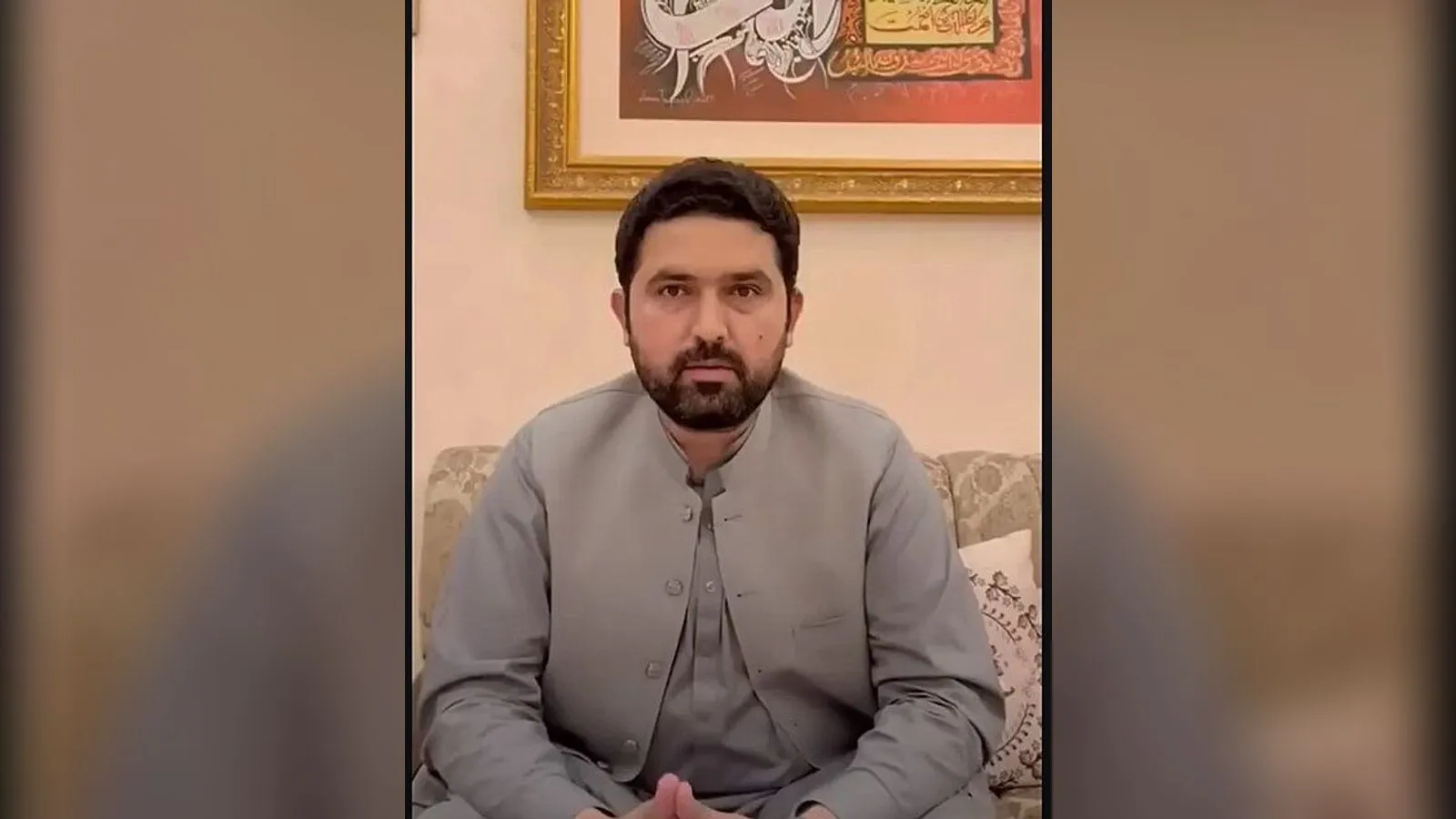
In AJK, the State Earthquake Reconstruction and Rehabilitation Authority (SERRA) has set out how far rebuilding has come, the state news agency APP reported. SERRA Secretary Riffaqat Hussain Khan said:
- the quake affected 56 per cent of AJK’s population, killing more than 46,000 people and injuring about 33,000
- more than 300,000 private properties were damaged
- losses were first put at about Rs125 billion, while the reconstruction programme has grown to Rs225bn, of which Rs181bn has been spent and about Rs44bn is still needed
- of 7,608 reconstruction projects, 5,878 have been completed and handed over
Prime Minister Shehbaz Sharif provided Rs1bn in June to finish 67 educational institutions that were about 80pc complete. Fourteen have been handed over, and the remaining 53 are due by December 2026, Khan said.
He said the heavy loss of life was largely due to poor construction standards. Schools, colleges and universities lacked earthquake-resistant features, he said, which cost the country “a highly educated and valuable generation”.
‘Resilience is no longer a choice’
In a message for National Resilience Day, Prime Minister Shehbaz Sharif paid tribute to the victims and to the collective response of the people at the time of the disaster.
He said Pakistan was among the countries most exposed to climate change despite contributing little to global emissions, and that recurring disasters such as floods, earthquakes, landslides and smog were costly for its limited resources. “Today, resilience is no longer a choice, it is imperative,” he said.
The prime minister said the National Disaster Management Authority (NDMA) was bringing advanced technology into disaster response, including better early warning systems. He said the government aimed to shift “from reaction to anticipation, from vulnerability to preparedness, and from recovery to resilient development”.
Why it matters
The anniversary is a reminder that recovery from the 2005 quake is still not complete. The unfinished New Balakot City and the outstanding Rs44bn in AJK show how long the bill for a single disaster can run, in a country the prime minister says is facing more frequent and severe climate-driven disasters.
This article draws on reporting by The Express Tribune and APP.
Comments
Comments are reviewed by our editors before they appear. Please keep them civil and on topic. See our terms.
No comments yet. Be the first to share your view.