
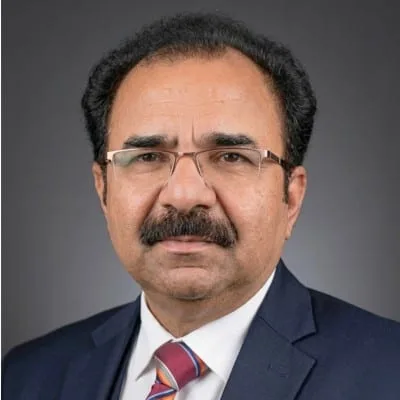
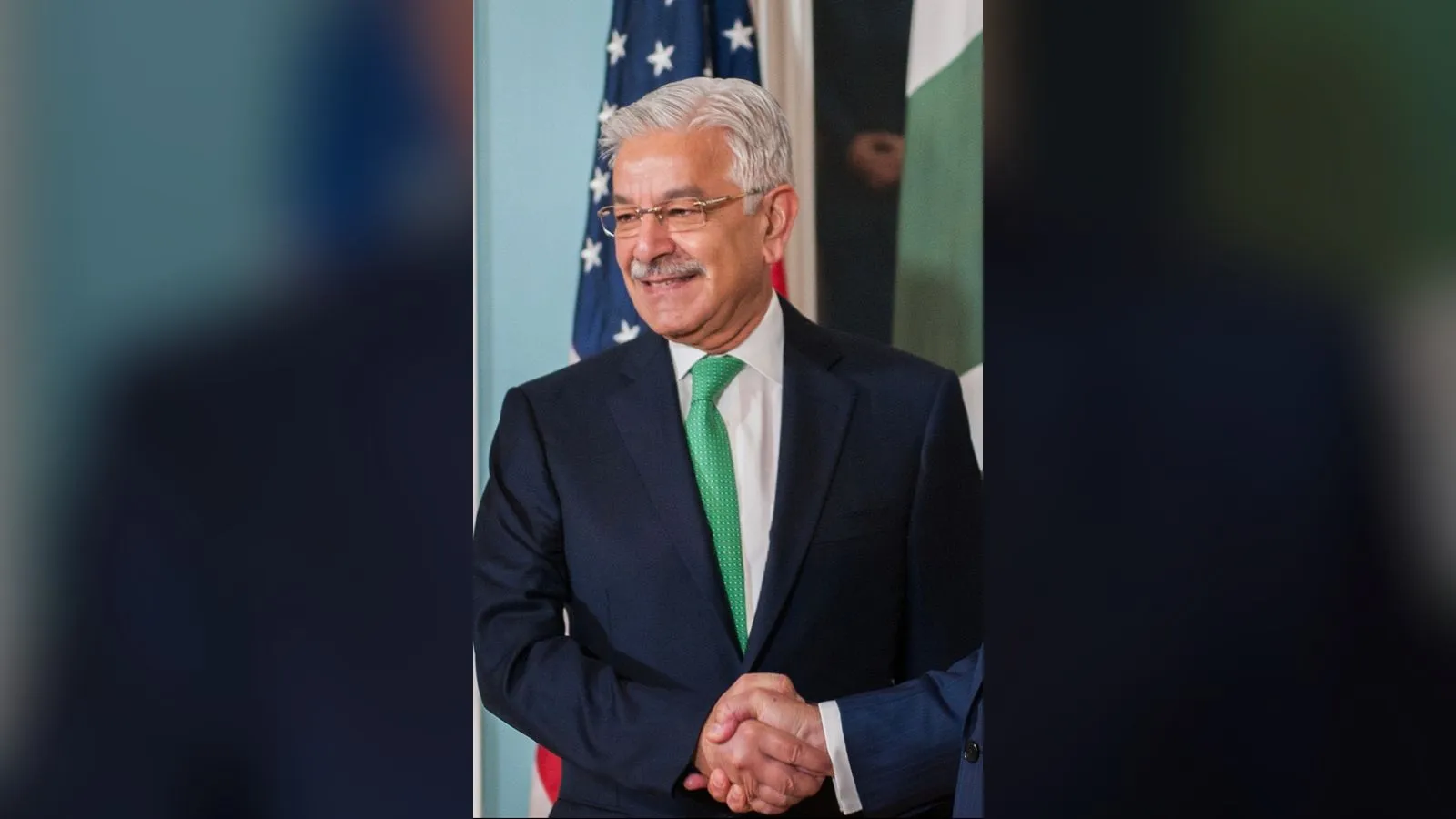
The idea of splitting Pakistan’s four provinces into many more has gained another voice in the cabinet. Defence Minister Khawaja Asif told Geo News that the country could have as many as 12 provinces, as long as the new units are drawn for administrative reasons and not along linguistic, ethnic or political lines.
What Mr Asif argued
His case is about delivery, not identity. He said too much authority sits in the provincial capitals, Lahore, Karachi, Quetta and Peshawar, so services and funds do not reach people locally. He said federal funds largely stay with provincial governments instead of passing to local councils, which therefore depend on the provinces for money and powers. Politicians, he added, are tempted to hold on to power, and should remember that it is lent to them by the public.
He also looked back at the One Unit experiment, when West Pakistan’s provinces were folded into a single administrative unit, an arrangement that was later abolished. He also noted that Afghanistan has raised its number of provinces from around eight or ten to more than 30.
What is being discussed
The idea was first put forward by his cabinet colleague Mohsin Naqvi, and Mr Asif says it has been debated for two months. Media reports mention a plan to create 12 provinces through a 28th Constitutional Amendment, with a nationwide referendum under consideration. These reports are not confirmed by the government, and no draft has been published.
| Province today | Units reported under the plan |
|---|---|
| Punjab | 4 |
| Khyber Pakhtunkhwa | 3 |
| Balochistan | 3 |
| Sindh | 2 |
| Total | 12 |
The MQM-P view
The Muttahida Qaumi Movement-Pakistan (MQM-P), a government partner whose convener Dr Khalid Maqbool Siddiqui is a federal minister, repeated its demand for new administrative units in Sindh. After a meeting at its Bahadurabad headquarters, the party said it would use its whole organisation and parliamentarians for the coming local government elections and expects a “historic win”. It argued that ending the “deprivation” of urban Sindh and handing power to local tiers is necessary to fix Karachi’s civic problems.
Why it matters
Provinces are the main unit of Pakistan’s federation, and changing them touches questions of power, money and identity. The 18th Amendment, in 2010, passed more powers and funds to the provinces, and any new division would redraw how the federal revenue pool is shared. The debate therefore concerns elected governments, services such as health and schools, and the political weight of regions in the National Assembly and Senate.
Mr Asif’s condition, that new units should not follow language or ethnicity, is notable, because those are the lines on which many existing demands are made. It also leaves open how boundaries would be drawn, and who decides.
A change of this kind needs a constitutional amendment, which requires a two-thirds majority in both houses of parliament, and changing a province’s boundaries also needs the approval of that province’s assembly. No such vote has been scheduled, and the reaction of the parties that run the provinces will decide whether the proposal moves forward.
What we do not know
- Whether the federal government has actually prepared a draft amendment, or whether the idea is still a discussion among ministers.
- Whether the referendum idea is a serious plan.
- How the larger parties, particularly in Sindh and Balochistan, will respond. The reports we have seen do not carry their views.
- How local councils would get more money in practice, which was Mr Asif’s central point.
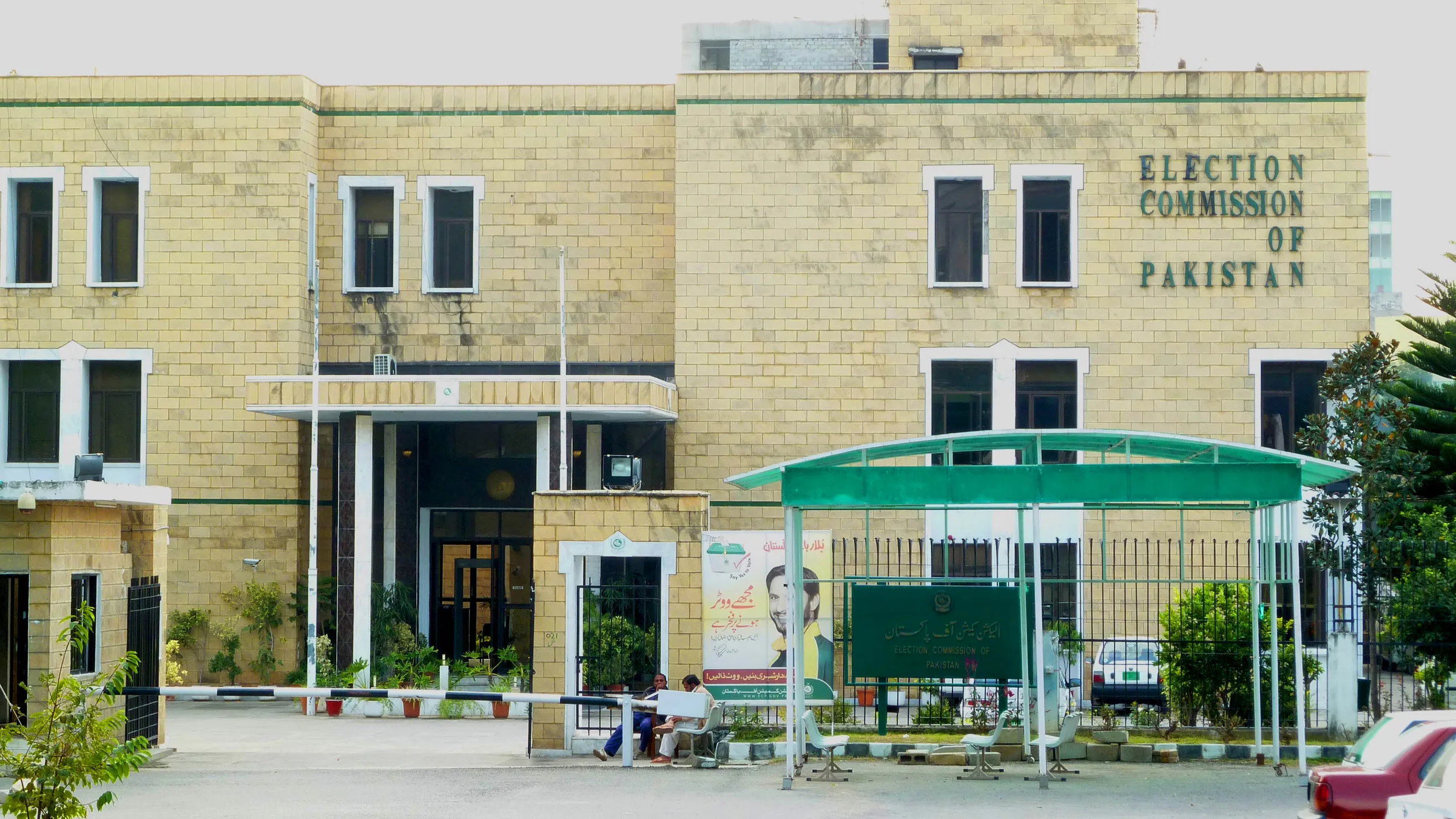
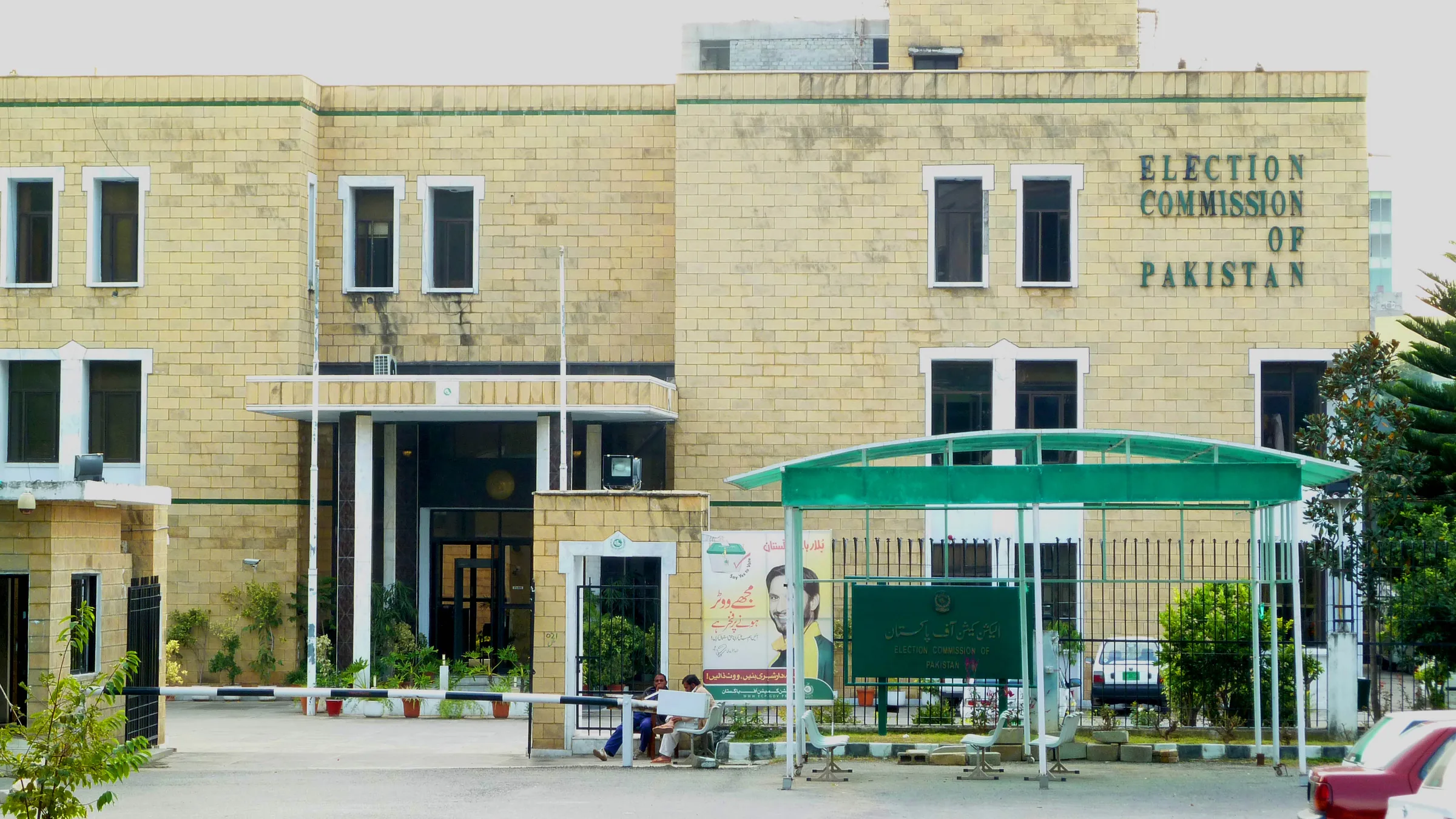
For related reading on the political calendar, see our report on the Election Commission’s notice to the MQM-P over its intra-party elections.
Comments
Comments are reviewed by our editors before they appear. Please keep them civil and on topic. See our terms.
No comments yet. Be the first to share your view.