

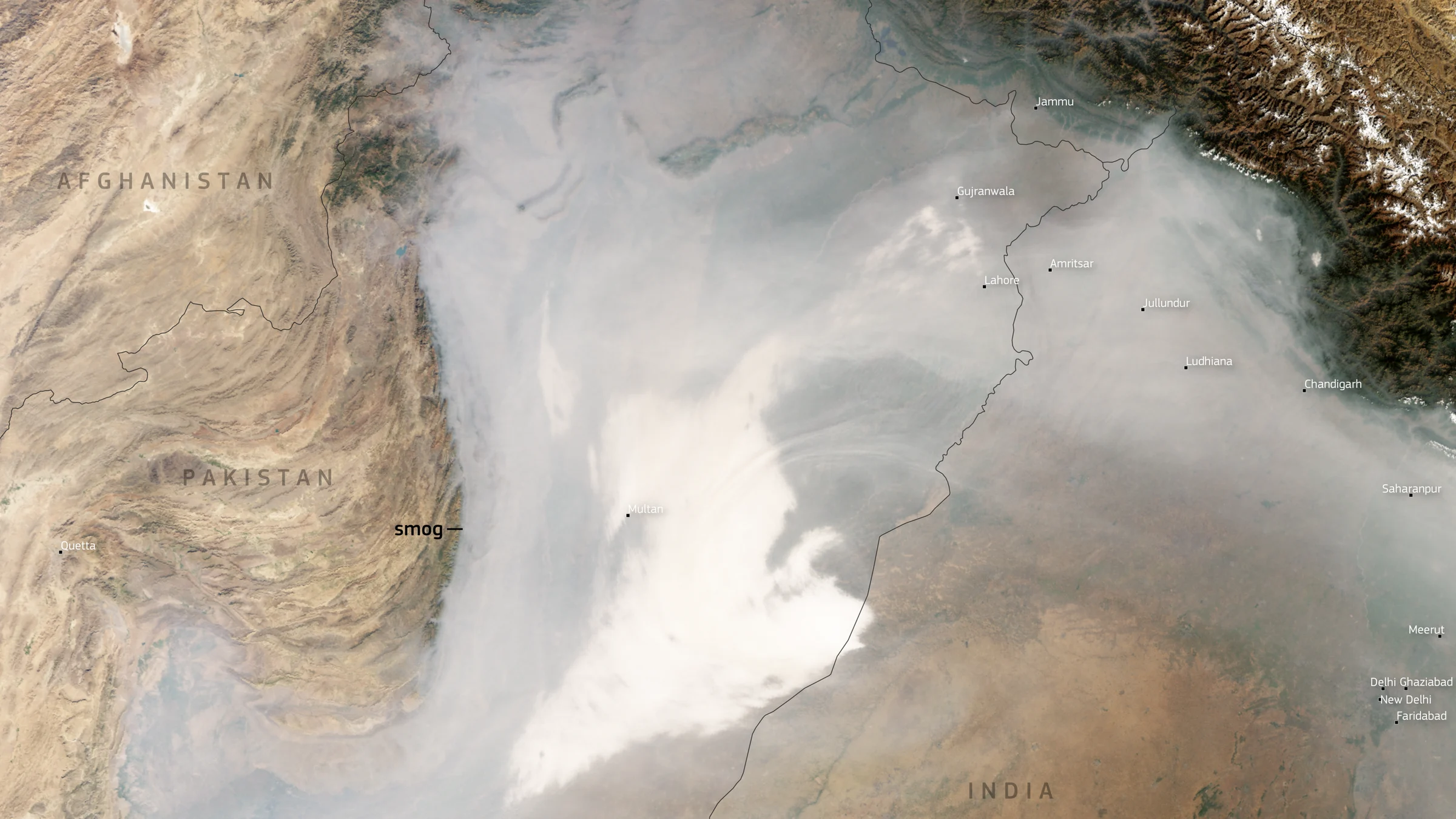
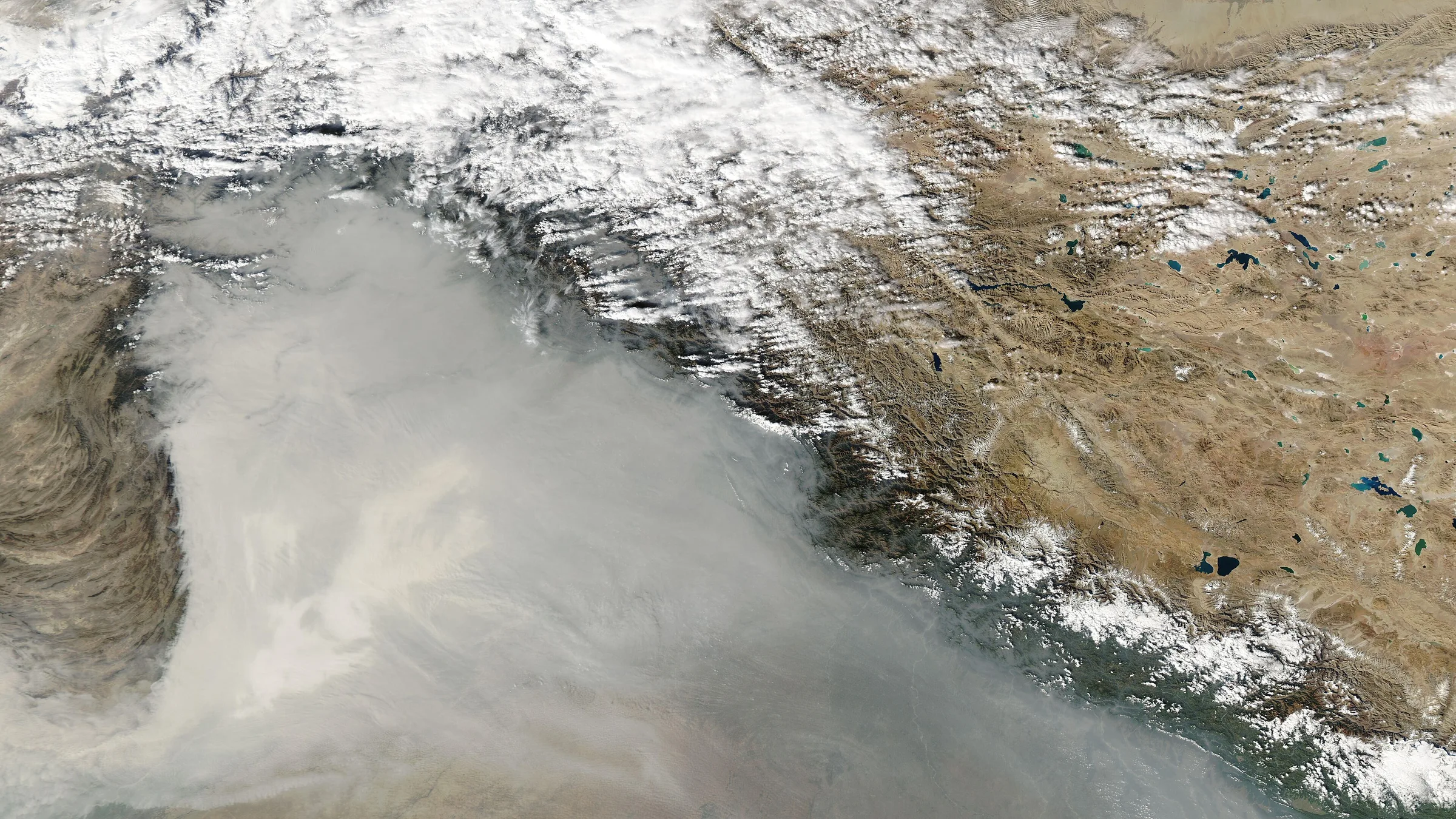
Air pollution in Lahore reached hazardous levels on Monday morning, with the Air Quality Index (AQI) crossing 530, while Gujranwala recorded an even higher reading of 606, Dawn and The Express Tribune reported.
At 8am, air quality platform IQAir recorded an AQI of 535 in Lahore, with fine particulate matter (PM2.5) at 343 micrograms per cubic metre. The Punjab Environmental Protection Department (EPD) confirmed the reading, the Tribune reported. PM2.5 particles are small enough to penetrate deep into the lungs and enter the bloodstream.
Five Punjab cities among the worst
IQAir’s ranking of Pakistani cities on Monday morning put five Punjab cities among the country’s six most polluted:
- Gujranwala: 606 (a later hourly update showed 675)
- Lahore: 509 in that snapshot, and 535 in another
- Faisalabad: 310
- Multan: 310
- Sialkot: 260
- Peshawar: 216, the only city in the top six outside Punjab
Lahore topped IQAir’s list of major world cities in an early morning snapshot, though international rankings changed through the day.
Crop fires surge
The spike comes with a sharp rise in farm fires. An analysis by the monitoring website HamariHawa found that NASA satellites detected 13,241 fire spots in Pakistani Punjab between October 1 and 29, against 3,158 in Indian Punjab, or 4.2 times as many. Around 92pc of the Pakistani fires were on farmland and likely linked to burning crop residue.
Nearly half the month’s total, 6,655 spots, came in the last seven days of October, with October 29 the worst day at 1,327. Okara had the most fire spots (2,144), followed by Gujranwala (1,011) and Nankana Sahib (1,003). Satellite detections alone cannot show how much of Lahore’s smoke comes from any one fire, Dawn noted.
How much did October really improve?
The government says Lahore had its cleanest October in five years. Punjab Senior Minister Marriyum Aurangzeb shared data showing the city’s average AQI was 180.5 in October 2026, against 204.6 in 2025 and 213 in 2024, with a peak of 262 on October 31.
The Pakistan Air Quality Initiative (PAQI) is more cautious. It found average PM2.5 across 26 sites fell 27pc from last October. But after adjusting for weather, especially deeper night-time mixing of air that let pollutants disperse, the real improvement was only about 4pc. PM2.5 also exceeded Pakistan’s daily limit on every day of October, and PAQI’s forecast on November 1 projected PM2.5 rising to 149 micrograms per cubic metre by Wednesday, about 49pc above October’s average.
EPD spokesperson Sajid Bashir said smog was “better this October than last year” and that the department was “still working hard”.
Background: a wider problem than one city
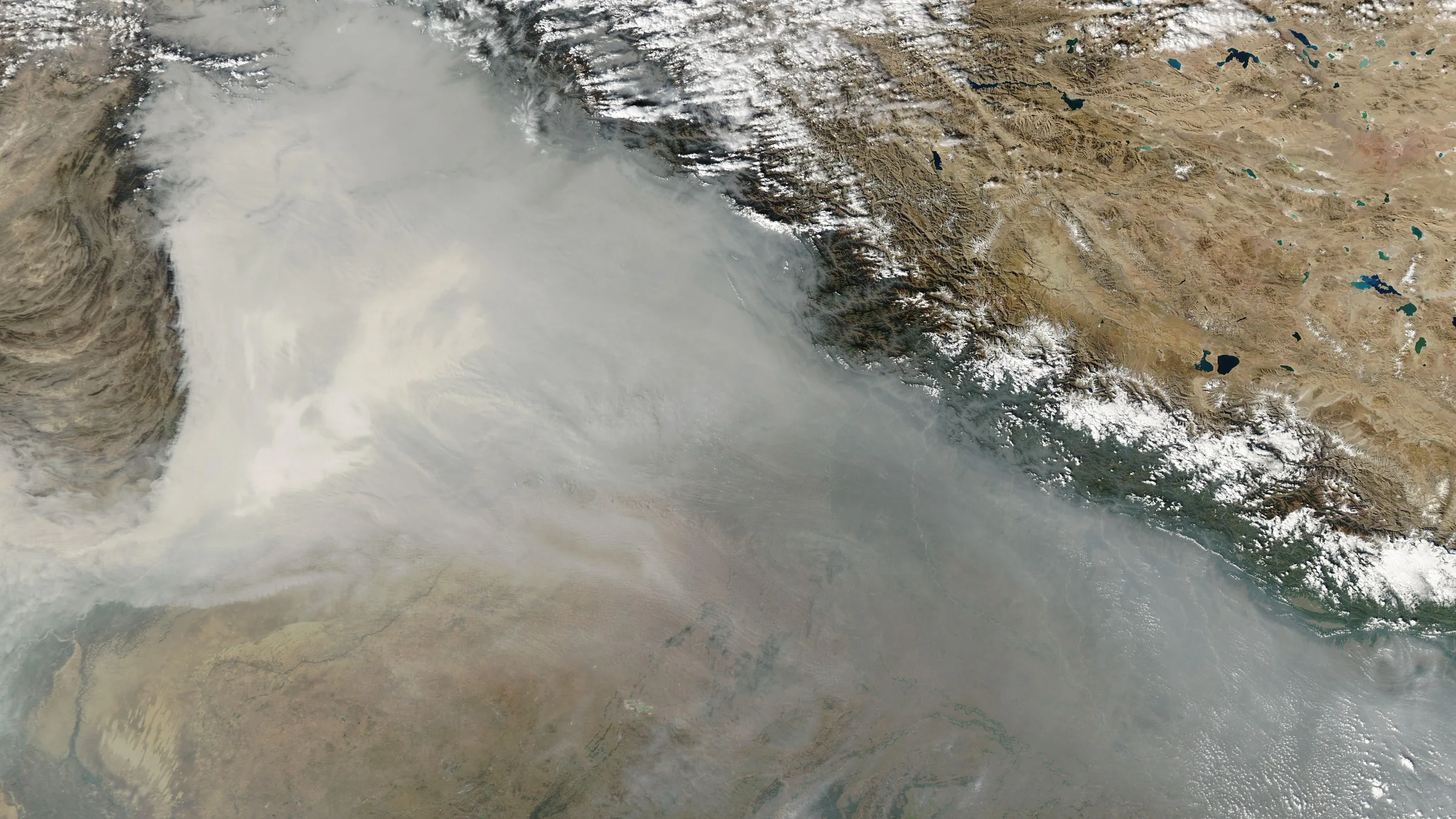
Earlier this autumn, Punjab stepped up its anti-smog drive ahead of rice stubble burning, and Lahore has repeatedly been ranked among the world’s most polluted cities. Experts quoted by the Tribune say smog in the province also comes from industry, brick kilns, vehicles, construction dust and waste burning, so cleaning Lahore’s air needs action across surrounding districts too.
Why it matters
Children, older people, outdoor workers and people with lung or heart conditions are most at risk when AQI is this high. The Tribune noted that residents who spend long hours commuting by motorcycle or working outdoors face the longest exposure.
The key question is whether the October improvement was real. If most of it came from the weather, a change in wind or temperature could erase it, as Monday’s readings suggest.
This article draws on reporting by Dawn and The Express Tribune.
Comments
Comments are reviewed by our editors before they appear. Please keep them civil and on topic. See our terms.
No comments yet. Be the first to share your view.