

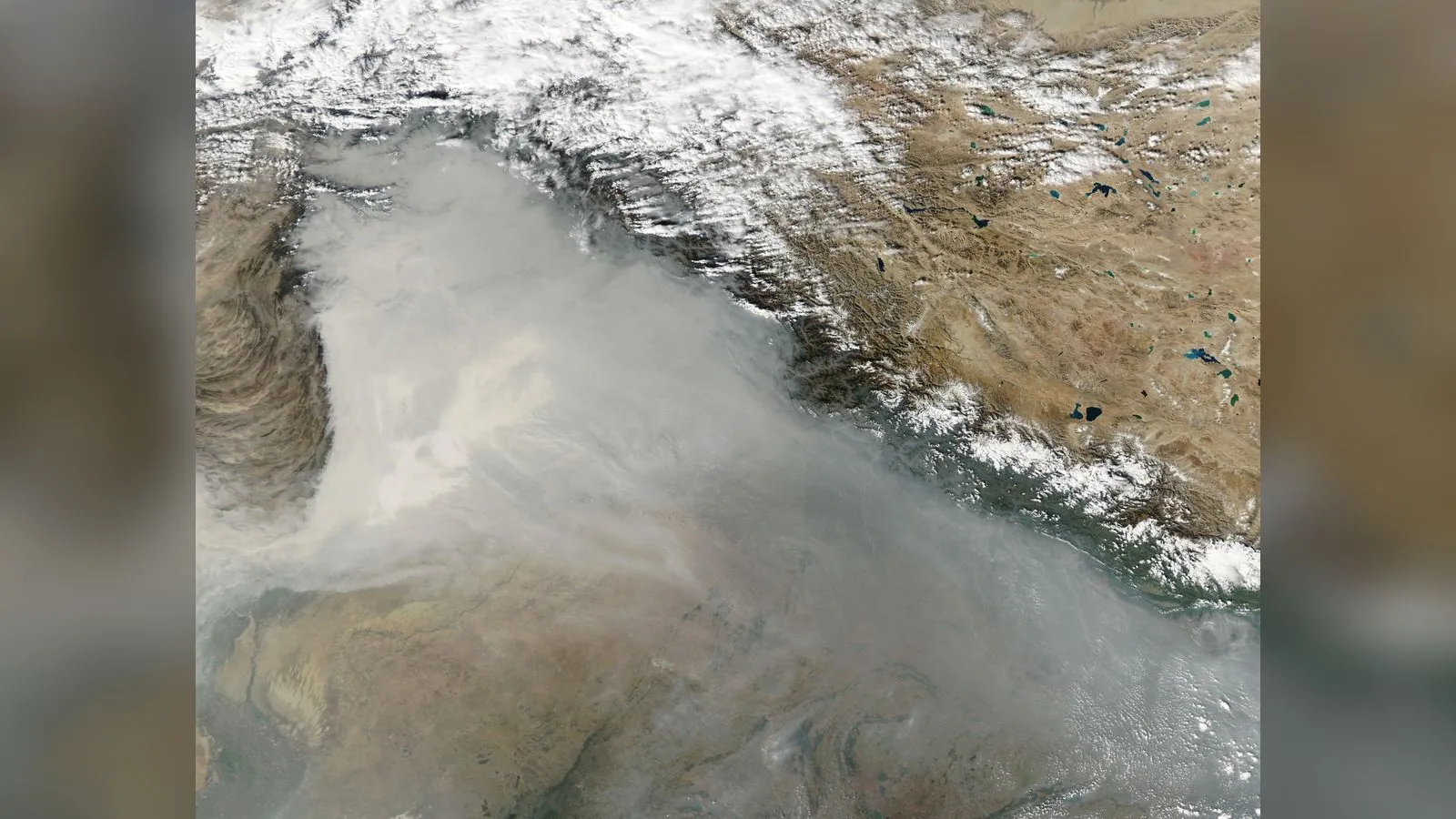
Lahore’s air is already turning unhealthy at the start of October, weeks before the usual winter smog peak, raising fears that Punjab’s pre-smog phase could develop into a severe pollution crisis as temperatures fall.
The city’s weekly Air Quality Index (AQI) reached 295 at 9am on October 3, near the threshold for “very unhealthy” air, according to the Punjab Environmental Protection Agency (EPA), The Express Tribune reported.
Sunday’s readings
At noon on Sunday, Lahore’s overall AQI stood at 154, “unhealthy for sensitive groups”, down from 172 a day earlier. But pollution varied widely across the city:
- Safari Park: 180
- Shahdara: 171
- Multan Road: 164
- Barki Road: 160
- Punjab University: 152
- GT Road: 151
- DHA Phase 6: 149
- Kahna Nau: 145
- Wagha Border: 140
- Egerton Road: 133
Lahore briefly topped IQAir’s live ranking of the world’s most polluted major cities on October 3, though local authorities recorded a different reading. By October 4, it was fifth, behind Kolkata and Delhi. Global rankings change within hours, and other Punjab cities have also recorded unhealthy and very unhealthy air.
Why October matters
“October marks the beginning of the period in which Punjab’s air quality can deteriorate rapidly,” said Dr Munawar Sabir, a former chairman of Punjab University’s geography department.
As temperatures drop, winds weaken and a layer of warm air can trap pollution close to the ground. Combined with vehicle smoke, industry, brick kilns, construction dust, waste burning and crop residue burning, that produces longer and more persistent pollution episodes, he said. In winter, fog and humidity make it worse. IQAir, the international air quality monitor, lists dust, vehicle emissions, brick kilns, construction and industrial pollution among the main sources of Lahore’s poor air, and notes that weak winds stop pollutants from dispersing.
What the government is doing
- Crackdown: action against crop residue and waste burning, vehicle emissions, construction dust and brick kilns
- Night squads and drones: the EPA is monitoring stubble burning, especially along motorways, with night patrols and drone surveillance
- Fines: more than Rs300 million in environmental fines imposed so far this year
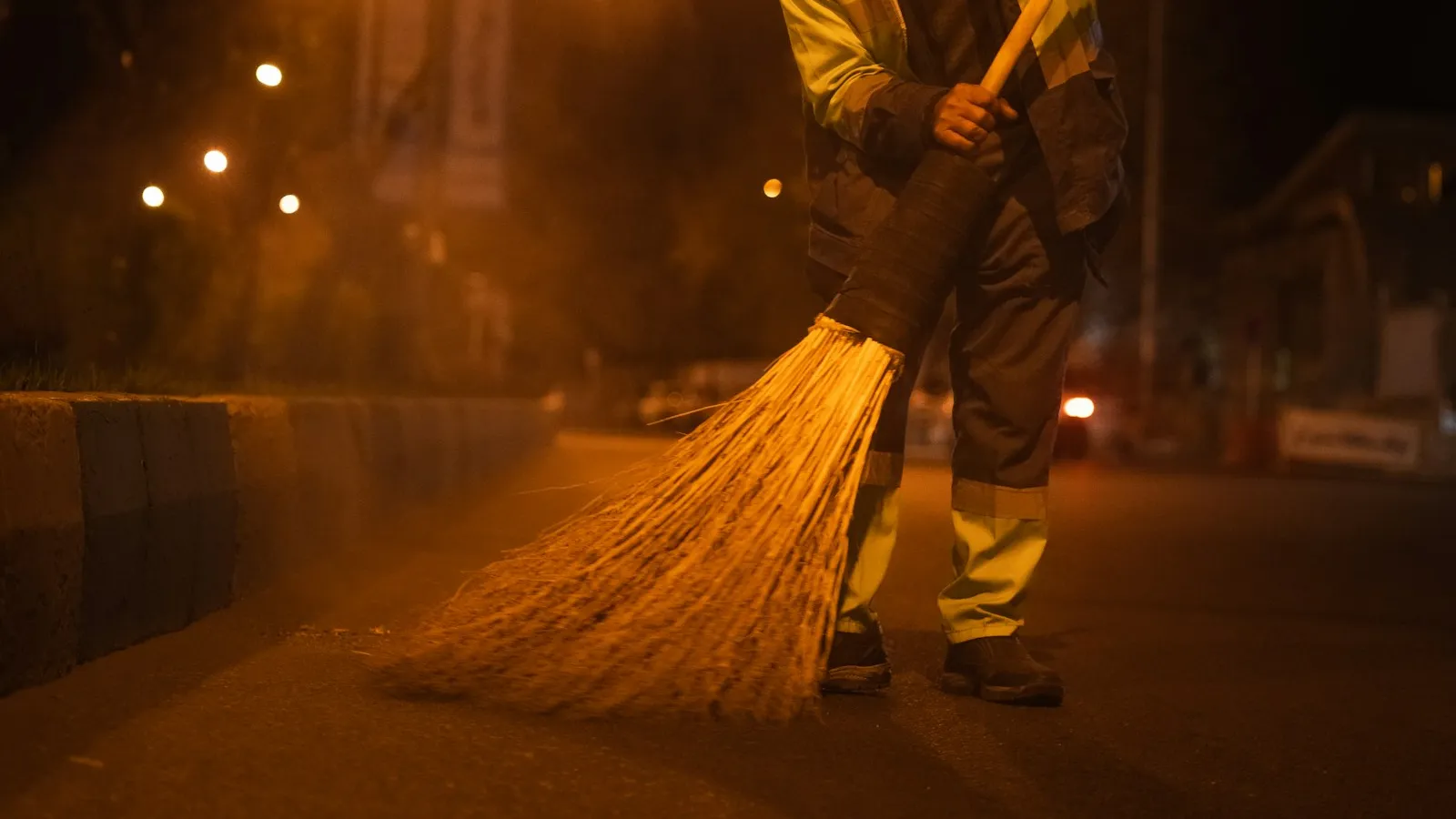
- Dust: authorities have been told to cut dust-raising practices such as dry sweeping
- More monitoring: plans for 26 extra air quality stations, 20 smoke meters for vehicles and mobile fuel-testing laboratories
If pollution rises sharply, schools may have to limit outdoor activities and business hours may be changed.
Protect yourself
Children, older people and anyone with heart or lung conditions are most at risk. On high-pollution days, health advice is generally to limit time outdoors, keep windows closed and wear a well-fitting mask when outside.
Why it matters
Smog has become a yearly health emergency for Lahore’s 13 million-plus people, closing schools and filling hospitals. The early spike is a warning that the season ahead could be bad, and that enforcement against burning and emissions needs to work now, not after the city disappears under grey air. Read our report on Punjab’s Safe City expansion.
This article draws on reporting by The Express Tribune.

Comments
Comments are reviewed by our editors before they appear. Please keep them civil and on topic. See our terms.
No comments yet. Be the first to share your view.