

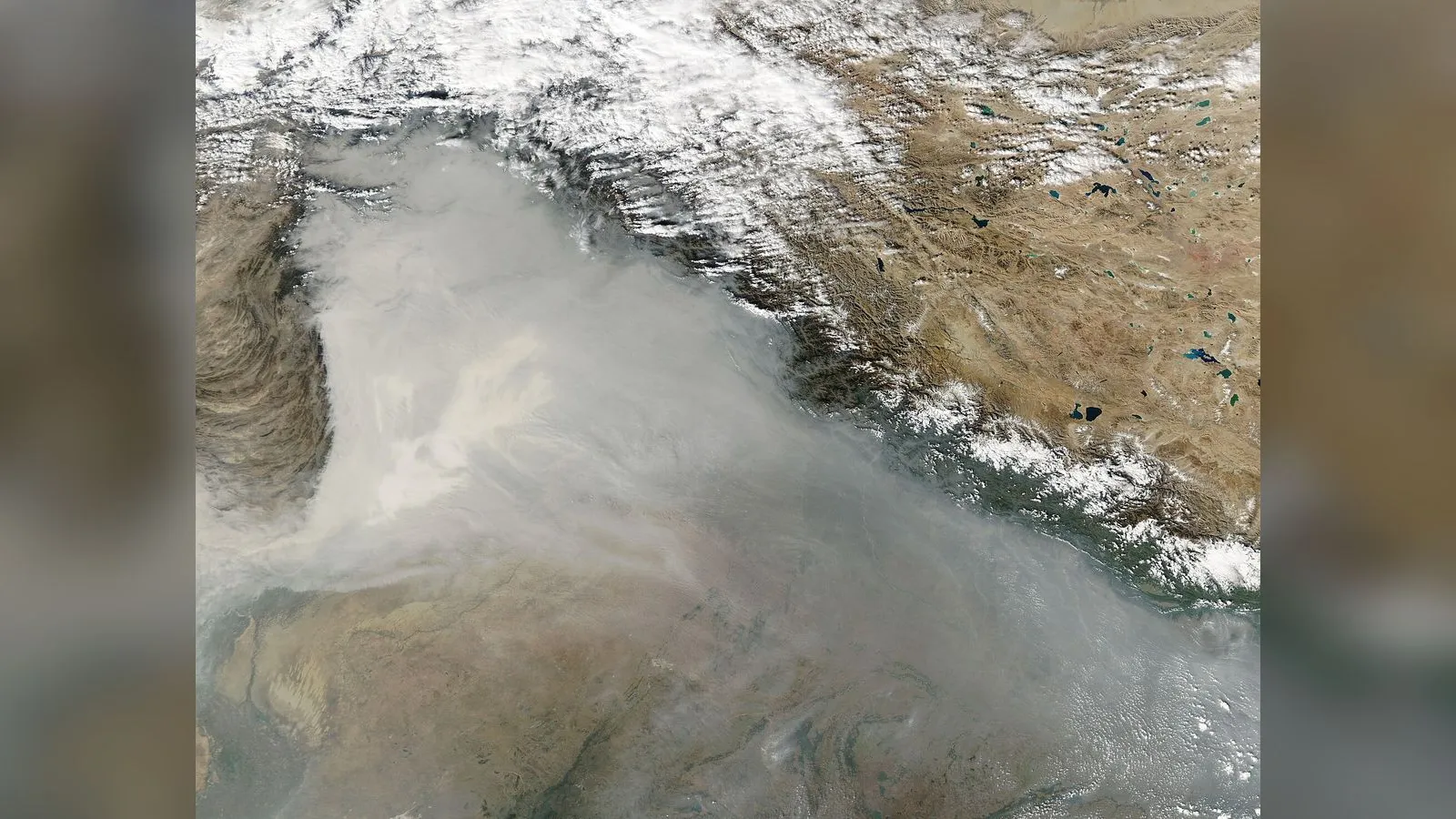
Lahore’s divisional administration has ordered anti-smog squads to be formed and fully activated across four districts, warning of zero tolerance for burning crop residue, garbage and other waste as the rice harvesting season begins.
Commissioner Nauman Yousuf gave the orders on Monday at a meeting of deputy commissioners and officials from Lahore, Kasur, Nankana Sahib and Sheikhupura, Dawn reported, with particular emphasis on stopping the burning of rice crop residue.
The orders
- Crop burning: district administrations and the agriculture department must take strict action, issue warning notices, make announcements through mosques and run awareness campaigns for farmers
- Hotspots: squads must stay active in Nankana Sahib, around the Sheikhupura Motorway and other areas
- Green waste: the Parks and Horticulture Authority, Suthra Punjab and environment teams must act against burning green waste, which the commissioner called a punishable offence
- Vehicles: traffic police and transport authorities must fine and impound smoke-emitting vehicles, and rules for trucks and sand-carrying trolleys entering Lahore at night must be enforced
- Kilns: zero tolerance for brick kilns operating without zigzag technology or emitting black smoke
- Bans: the bans on substandard fuel and on burning garbage and tyres must be strictly enforced
The meeting was told that one FIR had been registered, six prosecution cases started and fines totalling Rs90,000 imposed for burning crop residue. Traffic and environment squads have been deployed at Lahore’s entry and exit points.
Air already turning unhealthy
The crackdown comes as low wind speeds raise concern about pollutants building up over the city. Winds of around three kilometres an hour were forecast for the afternoon, which can stop pollutants dispersing, The Express Tribune reported.
Punjab Environmental Protection Agency (EPA) data showed Lahore’s overall Air Quality Index (AQI) at 126 at 10am on Monday, in the moderate category but well above the 74 recorded at the same time a day earlier. Some areas were much worse:
- Shahdara: 209, unhealthy
- Multan Road: 171, unhealthy for sensitive groups
- GT Road: 169, unhealthy for sensitive groups
IQAir has previously put Lahore’s annual average concentration of fine particulate matter (PM2.5) at 88.9 micrograms per cubic metre, about 17.8 times the World Health Organisation’s annual guideline.
Kilns and factories sealed
Environment protection teams inspected 85 brick kilns across the province, demolishing four and sealing two, The Express Tribune reported. A case was registered against one operator and three kilns received notices.
Officials also inspected 24 industrial units, sealing four and imposing fines of Rs200,000. Teams checked 17 barbecue and commercial cooking sites, issued smog notices to four and installed suction hoods at 13.
The newspaper noted that vehicle exhaust, construction dust, industrial emissions and waste burning can keep adding to pollution even when kilns or factories are shut down.
Why it matters
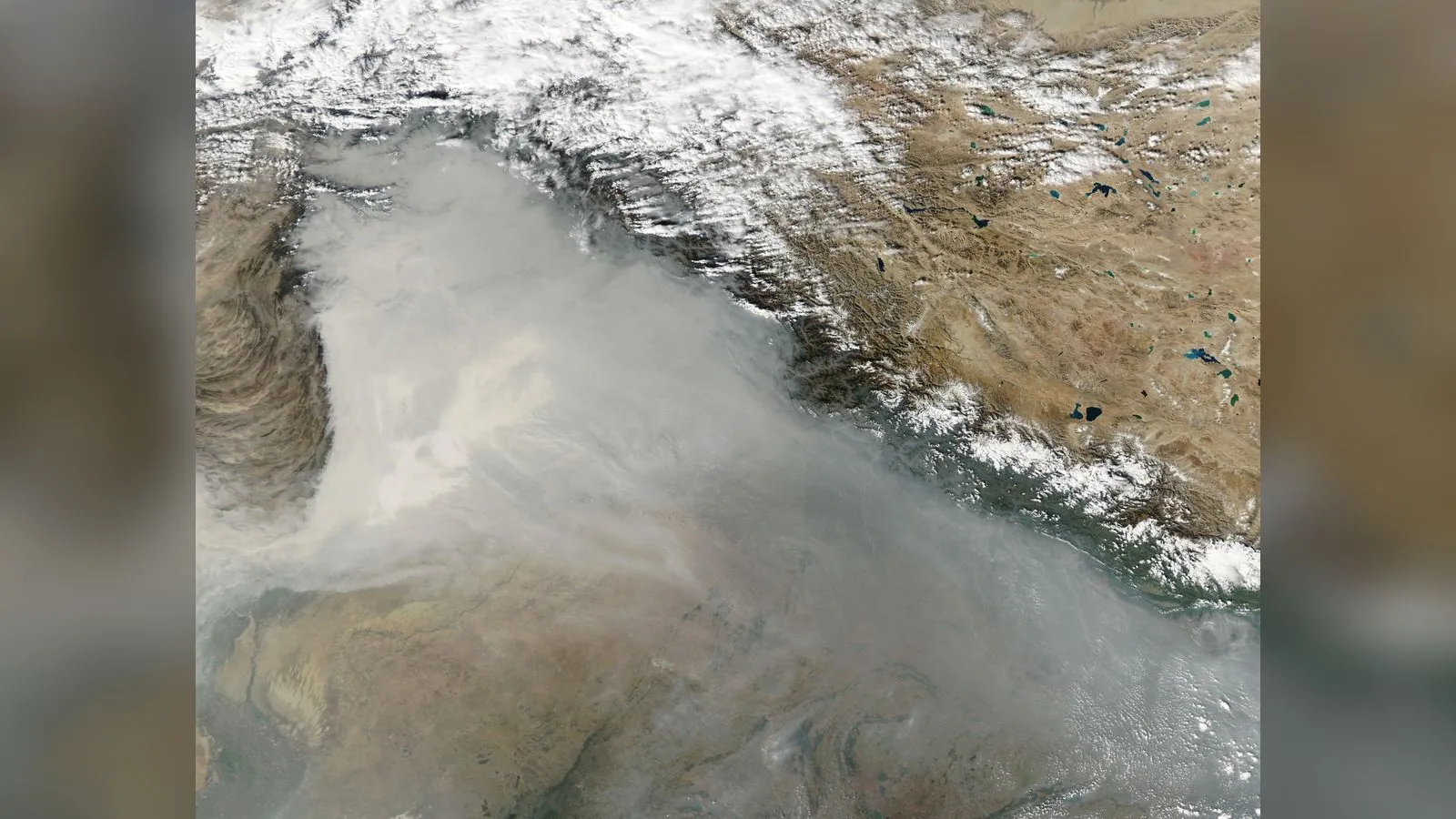
Air quality in Lahore deteriorates every winter as the smog season sets in. Officials are trying to act before the peak, but the early readings show how little room there is. Read our report on Lahore’s air turning unhealthy early this season.
This article draws on reporting by Dawn and The Express Tribune.
Comments
Comments are reviewed by our editors before they appear. Please keep them civil and on topic. See our terms.
No comments yet. Be the first to share your view.