

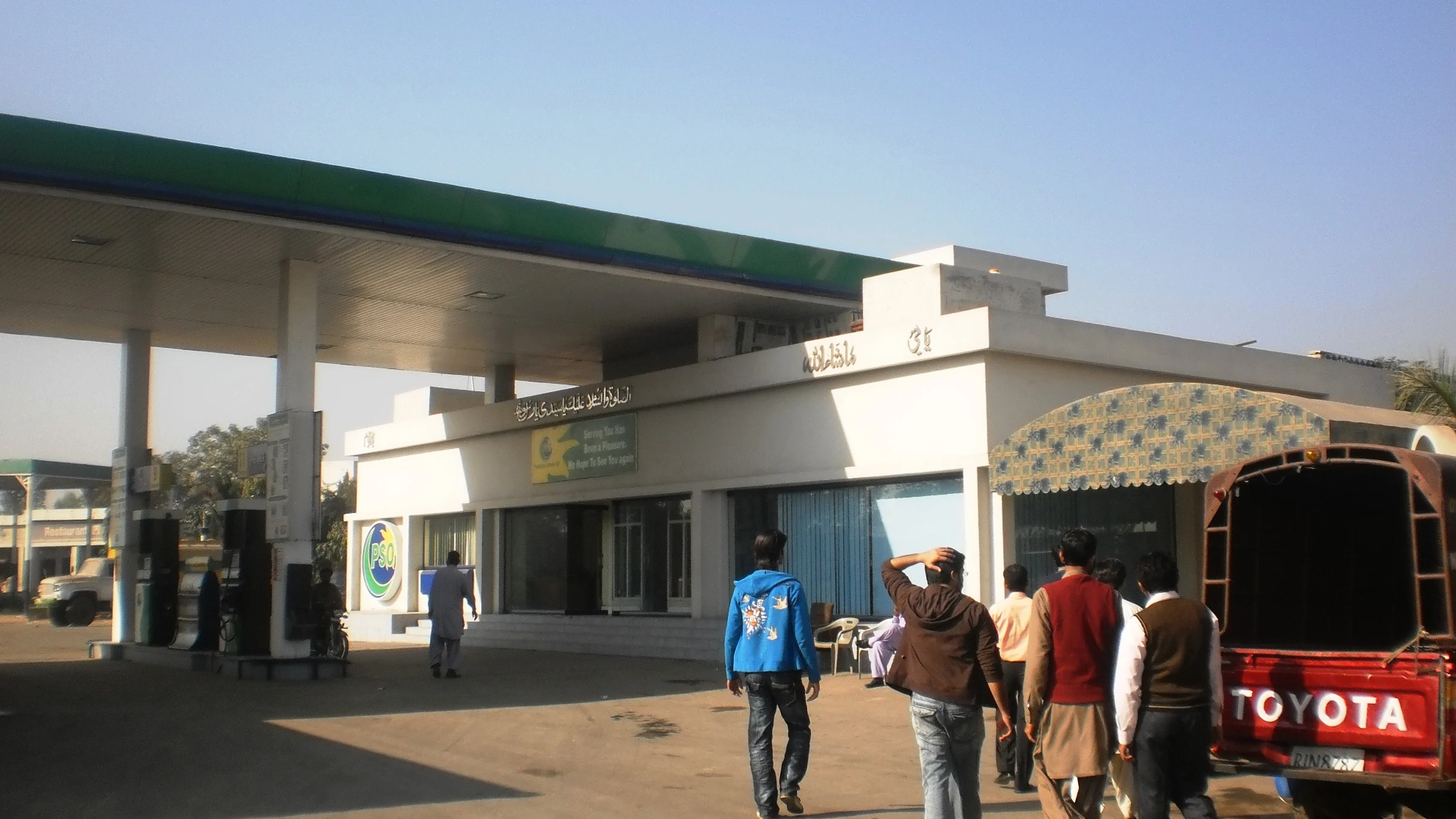
The federal government has changed how it works out petrol prices amid volatility caused by the US-Iran war, Geo News reported, citing Petroleum Division documents it has seen.
The federal cabinet approved the revised mechanism on October 30. It applies only to petrol (Motor Spirit); all other parameters for pricing petroleum products stay the same.
What changes for imported petrol
Under the new formula, the import price of petrol will be set from the actual import cost of the relevant Pakistan State Oil (PSO) cargo. If the actual cost is not available for daily pricing, the premium, incidentals and customs duty of the last available cargo will be used.
This changes the mechanism brought in earlier this year, under which petrol prices were set using PSO import data and different averaging arrangements.
A 30-day rule for local refineries
For the next 30 days, the premium, incidentals and customs duty used to calculate the ex-refinery price of petrol will be fixed at the levels in force on March 7, 2026, before the war began.
Energy Ministry sources said refineries had kept charging premiums equal to those on imported petrol after the war broke out. Freezing the components at March 7 levels would make the ex-refinery price lower than the import price.
Refineries will pay the difference between the two into the petroleum levy head of account. They must also report their daily domestic petrol sales and submit deposit records to the Petroleum Division and Ogra for checking.
Will consumers see relief?
The documents say the benefit will be passed on to petrol consumers through a matching reduction in price. Energy Ministry sources stressed that the existing petroleum levy of Rs80 per litre stays unchanged and has no connection to the relief from this new arrangement.
The documents also show a separate short-term adjustment to smooth price movements:
- Premium: $19.880 per barrel between October 17 and 27, against $12.998 per barrel for the calendar year so far.
- Difference: $6.882 per barrel.
- Smoothing: the benefit is built into prices at $2.950 per barrel per day, for price stability.
Background: daily pricing
The change comes months after the government introduced a daily fuel pricing framework in which Ogra works out and publishes ex-depot prices. Petrol prices have moved in small steps recently, such as a cut of Rs2.71 a litre on October 22. The Rs80 levy has been the target of protests: Jamaat-e-Islami has held sit-ins against it.
What we know, and what we don’t
- Known: the cabinet approved the changes on October 30, for petrol only.
- Known: the refinery measure lasts 30 days, and the levy stays at Rs80.
- Unknown: how much lower petrol prices will be, since the documents do not give a figure.
- Unknown: whether the refinery rule will be extended after 30 days.
Why it matters
Petrol is the fuel most Pakistanis buy, and its price feeds into transport costs and food prices. Weekly inflation rose above 11pc last week. If the government’s plan works, refineries’ extra charges should come off consumers’ bills, but the real test will be the next price notification from Ogra.
This article draws on reporting by Geo News.
Comments
Comments are reviewed by our editors before they appear. Please keep them civil and on topic. See our terms.
No comments yet. Be the first to share your view.