

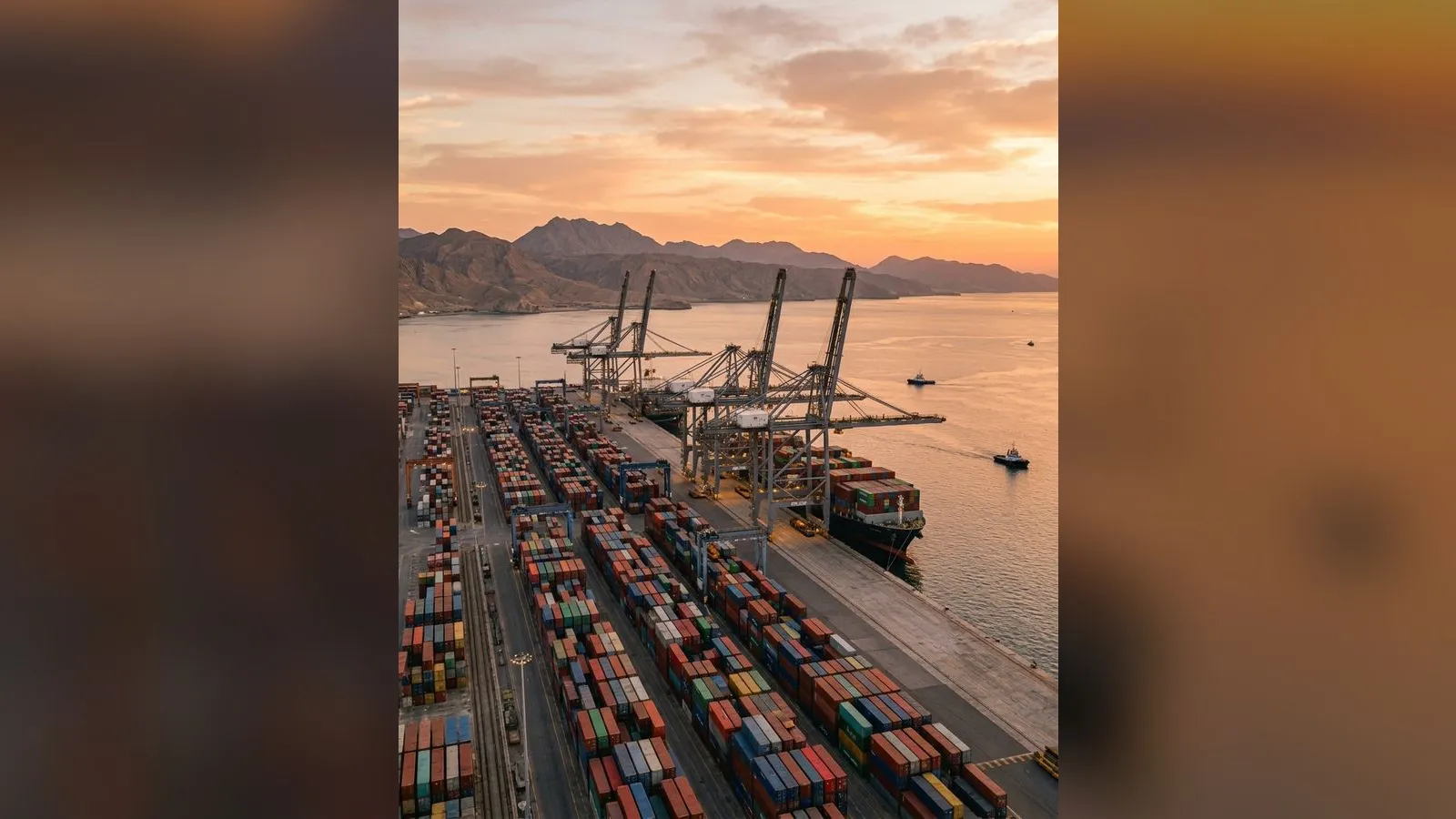
A Pakistani delegation has been in China talking about trade, ports and the future of the China-Pakistan Economic Corridor (CPEC). The group, which included foreign affairs expert M Mehdi and government officials from Balochistan, travelled at the invitation of the Chinese government, with the visit organised by the Chinese Embassy in Islamabad, The News reported on Monday.
Who they met
In Beijing the delegation met officials of China’s Ministry of Foreign Affairs, among them Cheng Wei, a counsellor in the ministry’s South Asia division, and a deputy director-general of the ministry. They also met Gao Yuqing, director of the Tianjin International Trade and Shipping Centre, and visited Tianjin University and other government and business institutions.
A photograph carried by the Lahore edition of Jang showed the group standing with Mr Cheng after the meeting. Its caption described the Pakistani side as officials of the Balochistan civil service, the Federal Investigation Agency and NADRA, led by Mr Mehdi. The report in The News mentioned only officials from Balochistan, so the composition of the group is not fully clear from the two accounts.
| Topic | What was discussed |
|---|---|
| Bilateral ties | Strengthening the long friendship and exploring “new avenues” for economic and commercial cooperation |
| CPEC and Gwadar | The corridor’s strategic importance and the development of Gwadar Port |
| Trade | Ways to expand trade between the two countries |
| Ports | Tianjin’s plan for a carbon-free port, and lessons for Karachi and Gwadar |
| Health | Chinese support for welfare work in Gwadar, including a possible hospital |
What Mr Mehdi said
Mr Mehdi told the Chinese side that Gwadar is not only a Pakistani port but also a potential trade gateway to West Asia. He argued that it gives China one of the shortest sea routes for trade with Europe and Africa. That is his assessment, and the report did not include a Chinese reply.
On security, he said the situation in Balochistan is gradually improving because of the strategies adopted by Pakistan’s security forces, but added that Pakistan and China need a coordinated joint strategy to deal with the security challenges facing CPEC. Attacks around Gwadar have been a recurring concern; we have reported on operations after attempted attacks in the port city and on the official position that Pakistan has put to its regional partners, including at the SCO meeting where CPEC was on the agenda.
He also congratulated China on the initiative to make Tianjin Port the world’s first carbon-free port. He hoped that modern, environmentally friendly projects of the same kind could one day be built at Karachi and Gwadar, and said bringing Pakistan’s port infrastructure up to international standards could open further economic opportunities for both countries.
The director of the Gwadar Port Authority, Qazi Nematullah, thanked China for its continuing support for social welfare projects in Gwadar and discussed the prospects of more cooperation in healthcare, including setting up a hospital in the city.
Background: why Gwadar matters
CPEC, the package of roads, power plants and port projects that China and Pakistan announced in 2015, has Gwadar, on the Arabian Sea coast of Balochistan, as its best-known port. For Pakistan, the project is meant to bring investment and trade to one of Pakistan’s least developed provinces, and to give the country a deep-water outlet on the sea. For China it offers an alternative path to the Indian Ocean. The talks in Beijing show how both sides still treat the port as a centrepiece, and how the same two issues keep coming back: security and visible benefits for local people. The hospital idea in Gwadar belongs to the second.
Pakistan and China are also building ties in space, as we reported when China announced a Pakistani astronaut for a Shenzhou mission.
What we do not know
- The dates of the visit and the size of the delegation. The report is from Monday’s print edition and gives neither.
- Whether any agreement, funding or timetable came out of the meetings. None was announced.
- Whether Mr Mehdi’s remarks reflect an official position. He is described as a foreign affairs expert, not as a government spokesman, and the Chinese ministry has not commented publicly on the meetings in the reports we have seen.
Why it matters
For ordinary people in Balochistan, the questions are practical: whether Gwadar gets jobs, a hospital, clean water and reliable power, not only a larger port. A “carbon-free” Gwadar or Karachi is a long way off, but the idea of tying port projects to cleaner operations may matter to Chinese and international lenders. The remark on joint security planning points to a sensitive issue that both governments tend to discuss in public only in general terms.
What to watch is whether Chinese institutions such as Tianjin’s shipping centre follow up with concrete cooperation, whether a healthcare project for Gwadar is announced, and whether Islamabad and Beijing issue a joint statement on CPEC security in the coming weeks.
Comments
Comments are reviewed by our editors before they appear. Please keep them civil and on topic. See our terms.
No comments yet. Be the first to share your view.